
Mukherjee Nagar, Rajendra Nagar, Satya Niketan: They Came To Delhi To Build A Future. Why Are They Dying Instead?
For generations of young Indians, Delhi has been more than a capital city. It is where students arrive from small towns and villages with ambitions of clearing the civil services or earning a better living for their families. Mukherjee Nagar became synonymous with civil services preparation. Old Rajendra Nagar emerged as another major coaching hub for aspirants. Areas around Delhi University became home to students pursuing degrees and building careers. But for some of these young people, the road to a better future has ended in disasters that were preventable.
A coaching-centre fire in Mukherjee Nagar in 2023 exposed glaring questions about fire safety in buildings packed with students. A year later, three civil services aspirants drowned after rainwater entered the basement library of Rau’s IAS Study Circle in Old Rajendra Nagar. Now, the collapse of a five-storey building in Satya Niketan on September 6, 2026, has brought the same question back into focus.
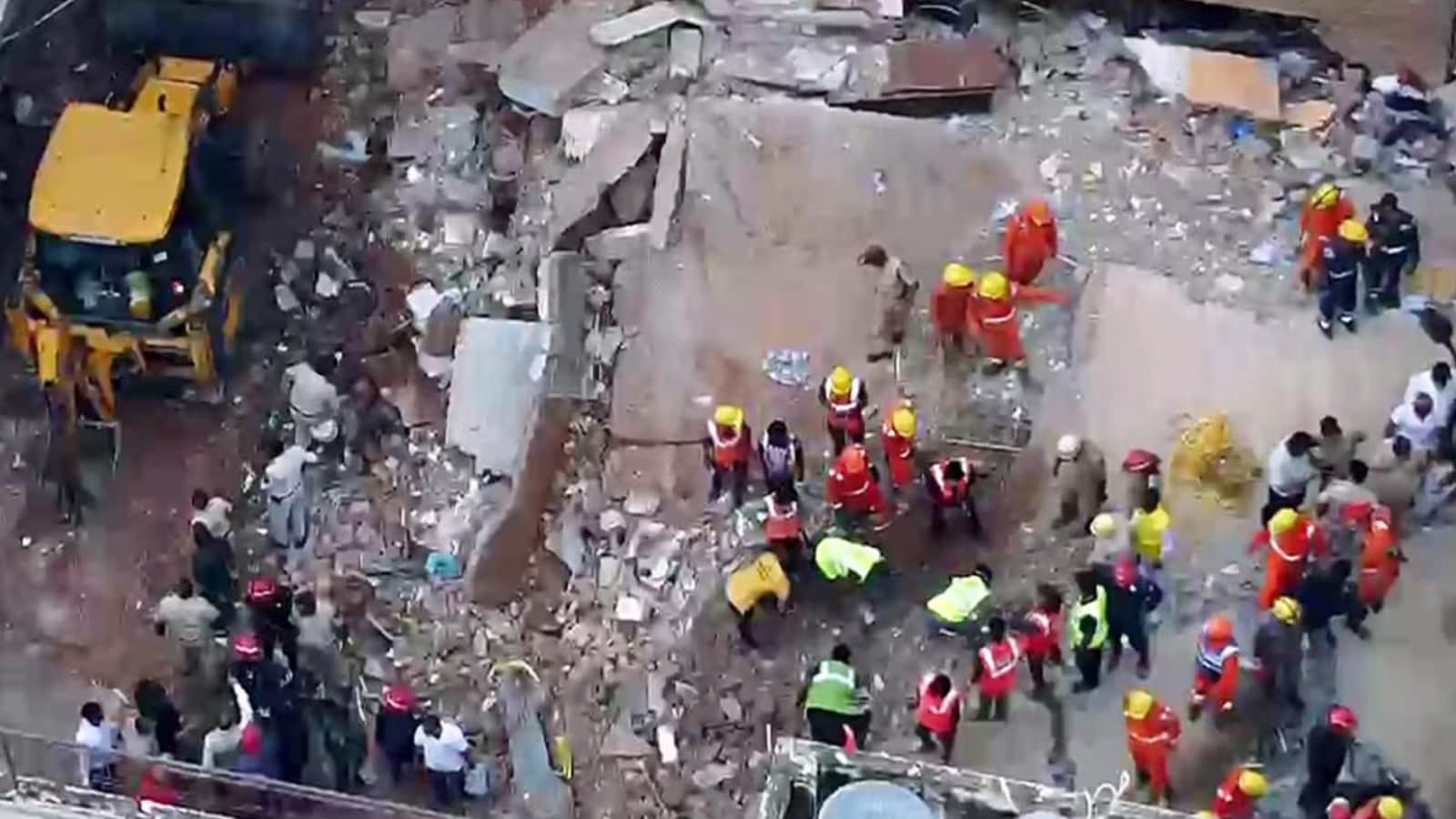
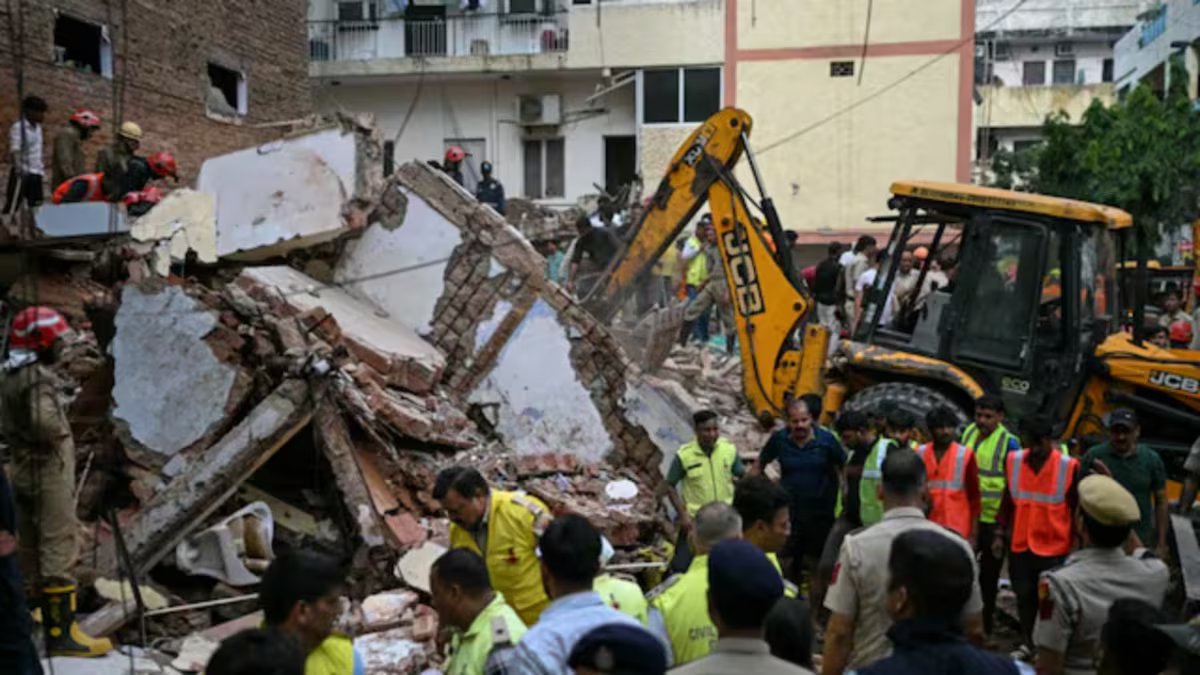
Six people were killed after the building, which was being used as a paying guest accommodation for boys, collapsed in a narrow lane near Delhi University’s South Campus. Rescue teams worked through the night as people remained trapped under the debris. The three incidents are different in nature. But they have one disturbing thread running through them: young people living, studying and working in spaces where questions over safety, construction and basic preparedness have repeatedly emerged.
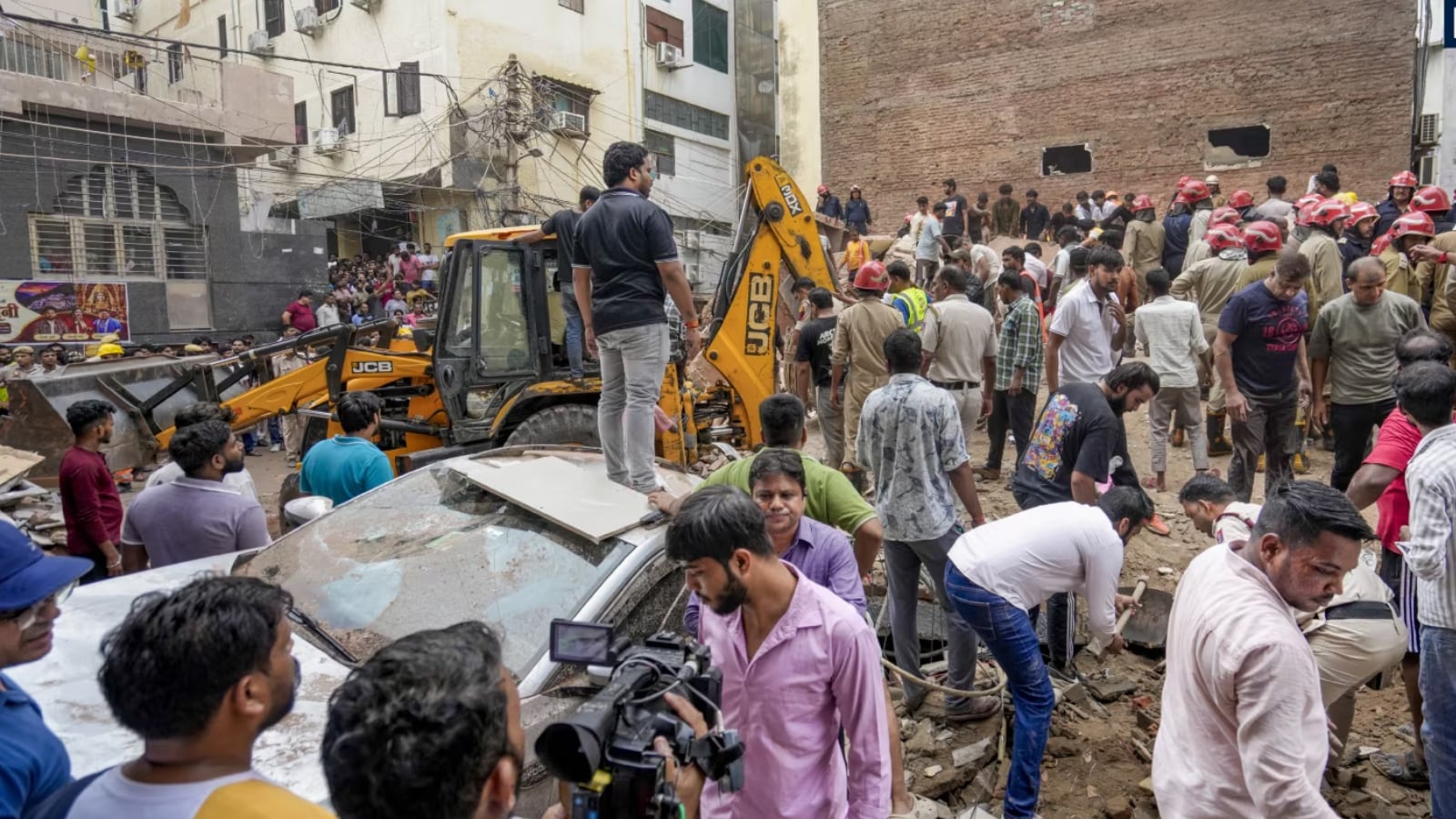
The latest tragedy unfolded at around 1:30 pm on September 6 when a nearly 30-year-old five-storey building collapsed in a narrow alley in Satya Niketan, close to Delhi University’s South Campus. The building was being used as a boys’ paying guest accommodation and housed several Delhi University students. Around 15-20 people were feared trapped under the debris as rescue operations involving multiple agencies continued well into the night.

The All India Institute of Medical Sciences (AIIMS) said 10 injured people were brought to its trauma centre. Four were brought dead, while two others who arrived in critical condition later succumbed to their injuries. Three patients remained admitted and under treatment, with one undergoing surgery. Another patient, who had suffered minor injuries, was discharged after observation.
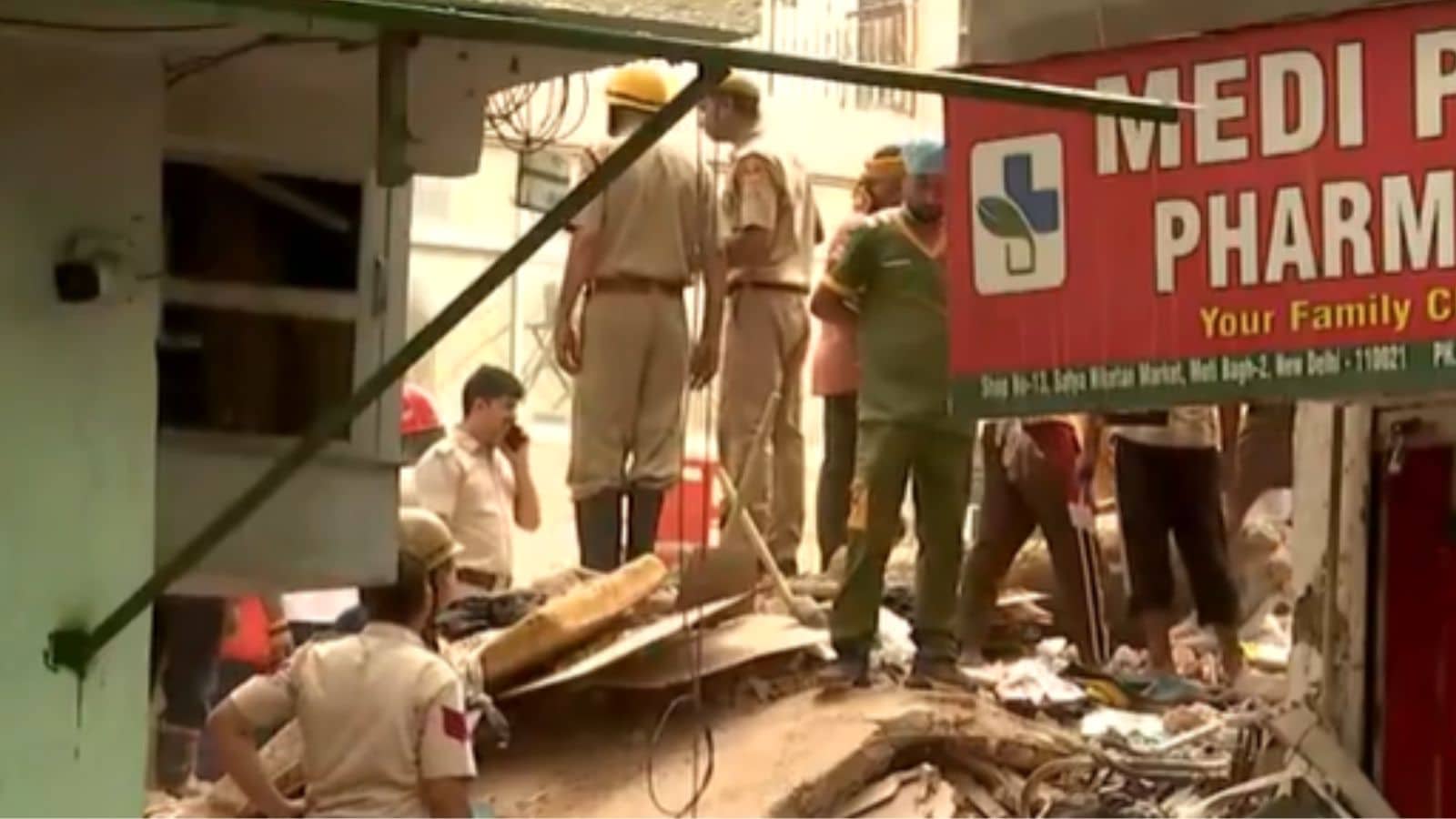
The Delhi Police registered a case at the South Campus police station against the building owner, Hariram, and others. The charges include culpable homicide, negligence in building maintenance and endangering the safety of others. Police said renovation work was being carried out on the ground floor when the building collapsed. The authorities are investigating whether the work contributed to the structural failure. Locals, however, raised another concern. They claimed rain had caused water to accumulate in the basement, weakening the building’s foundation before the collapse.
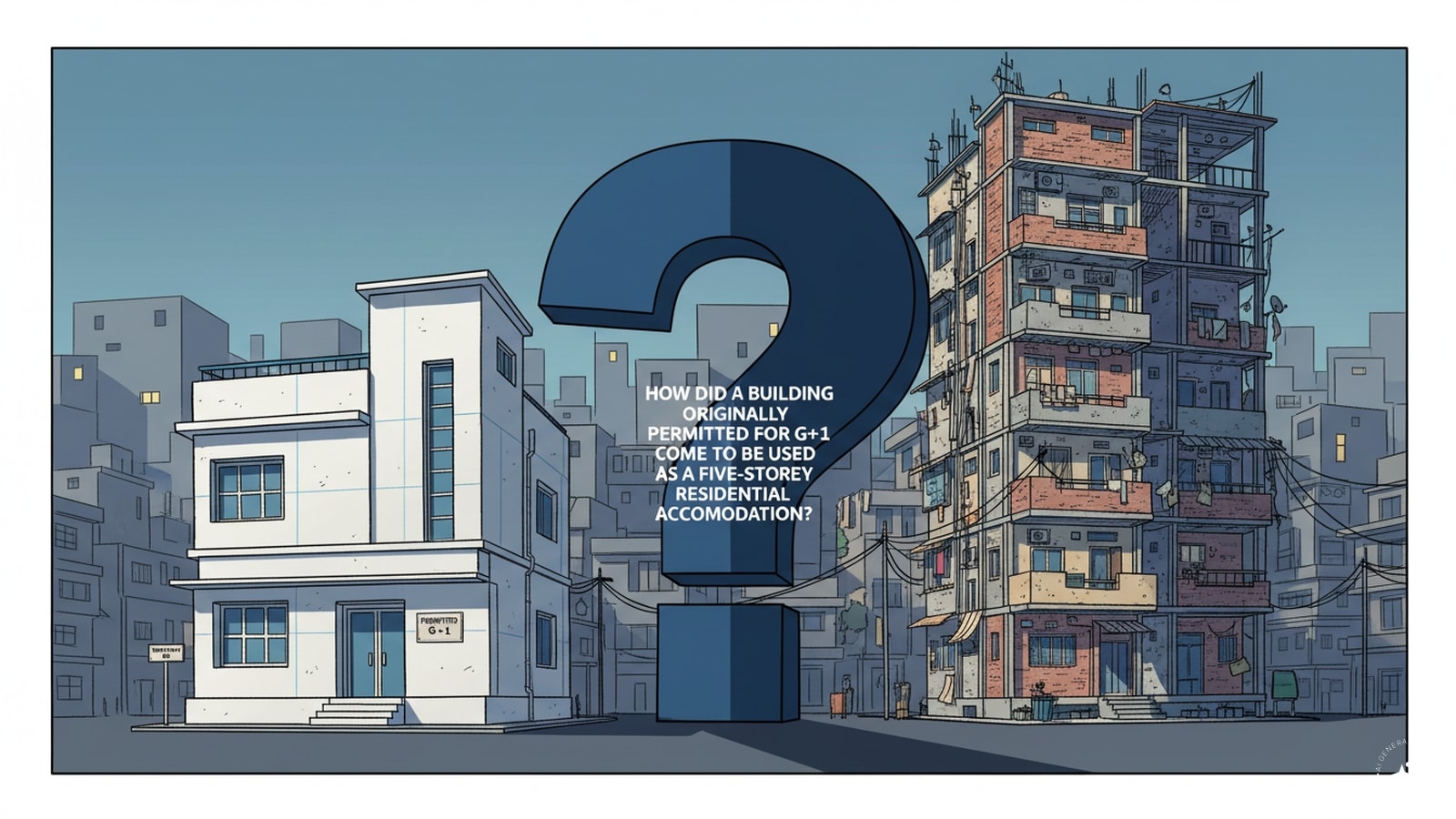
A senior Municipal Corporation of Delhi (MCD) official said the building was approximately 30 years old and had been constructed on a 55-square-yard plot in a rehabilitation colony. Although the structure had a ground floor and four upper floors, making it a G+4 building, its original construction permit was reportedly only for a ground floor and one additional floor, or G+1. That discrepancy has added another serious question to the tragedy: how did a building originally permitted for G+1 come to be used as a five-storey residential accommodation? (AI Generated)
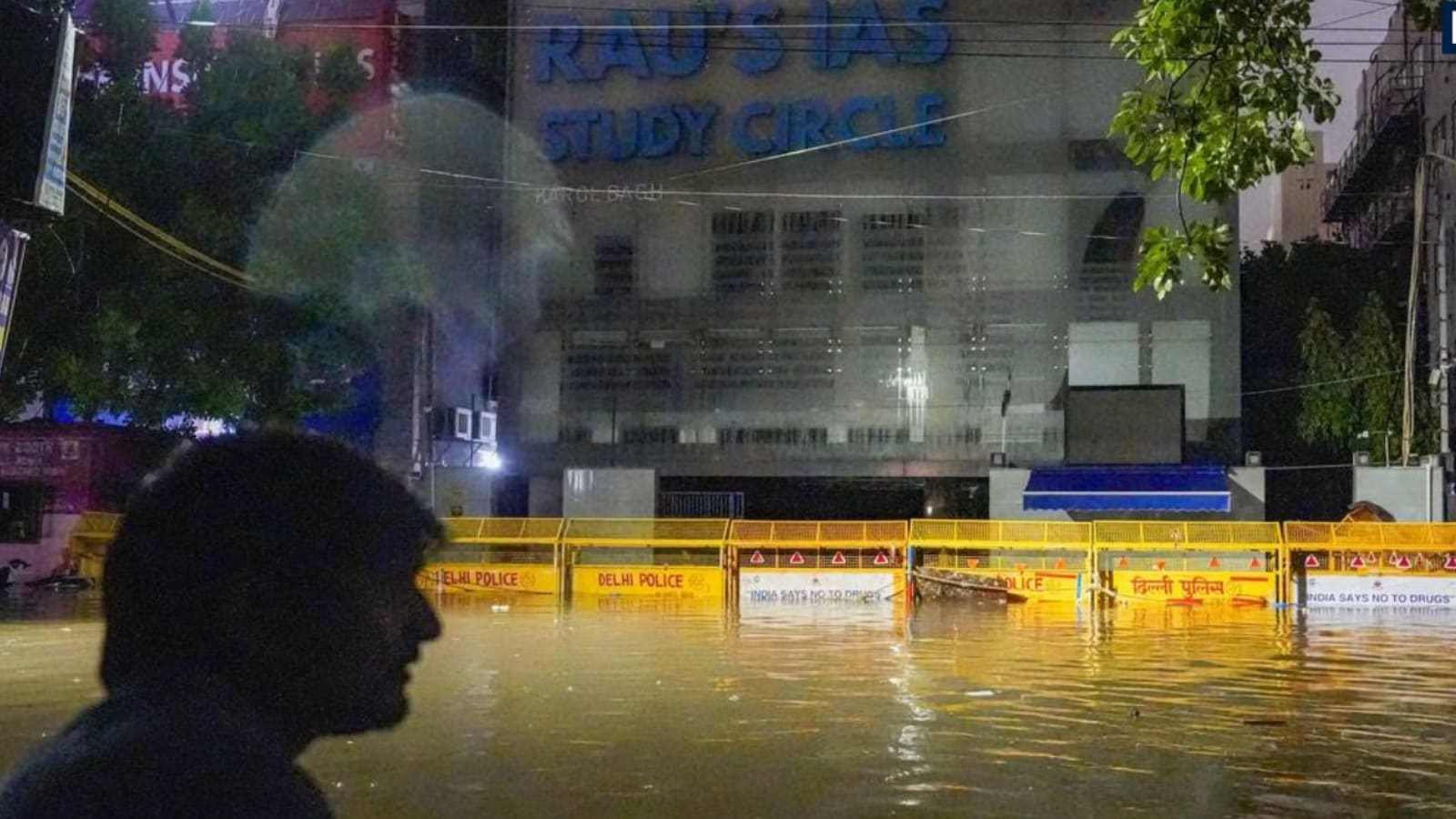
The Satya Niketan collapse comes just over two years after one of the most devastating incidents involving civil services aspirants in Delhi. On July 27, 2024, three students preparing for the civil services examination died after rainwater flooded the basement library of Rau’s IAS Study Circle in Old Rajendra Nagar. The victims were identified as Shrey Yadav, Tanya Soni and Naveen Dalvin. Around 30 students were inside the basement when water began entering the facility. Heavy rain had already left water accumulated on the road outside the coaching centre. Investigators later found that the water entered the basement rapidly through the building’s entrance.
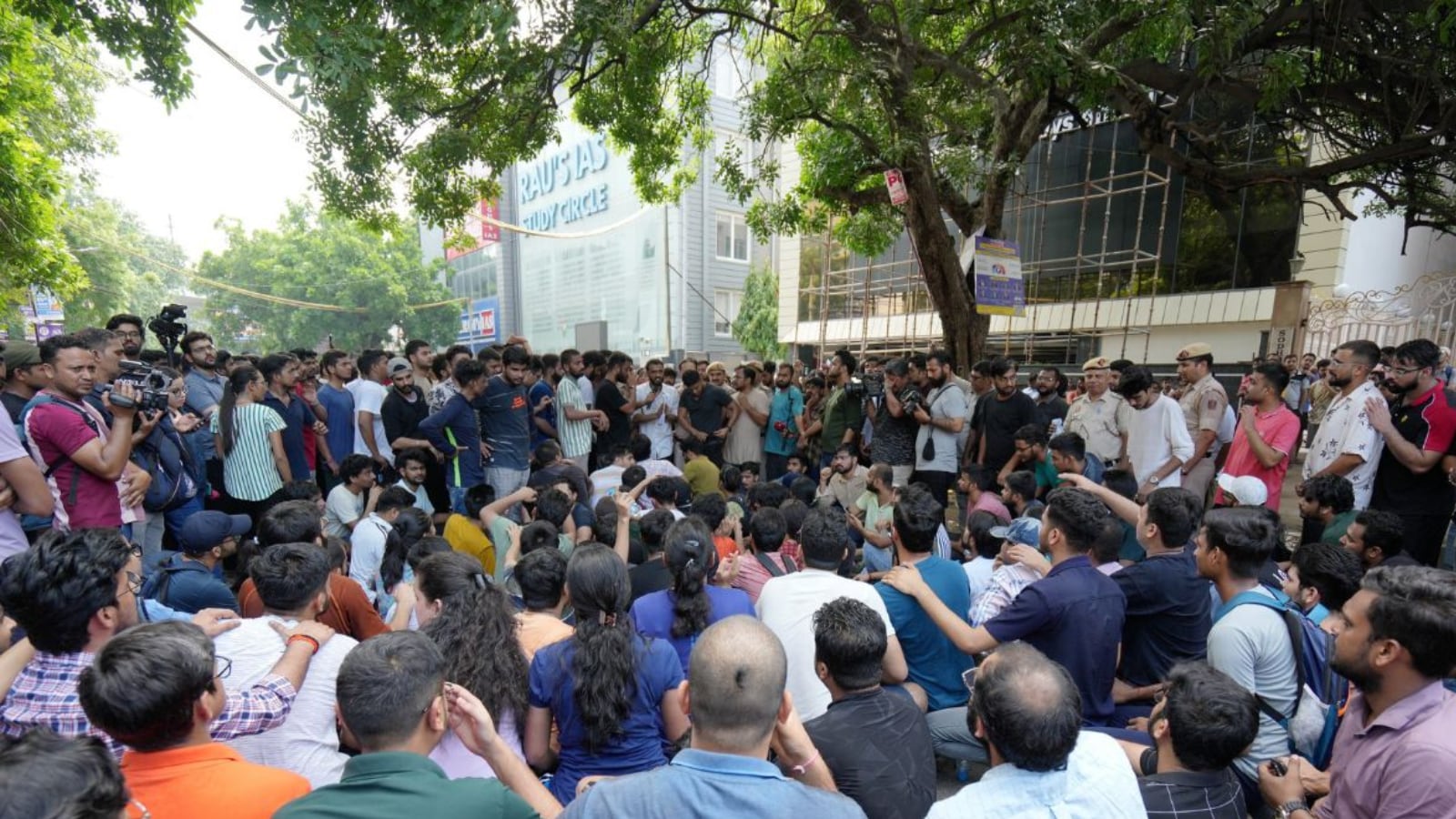
According to the CBI chargesheet, the main gate could not withstand the increasing water pressure on the road, allowing water to rush inside and quickly turning the basement into a death trap. The basement was being used as a library, although the building documents permitted its use for parking and storage. Officials subsequently termed the use of the basement for a library a violation of the approved conditions. Investigators also found shortcomings in the drainage system and said the entrance was not suitable for preventing floodwater from entering the basement. The deaths triggered massive protests by students in Old Rajendra Nagar. Aspirants questioned why a facility used by so many students had not been adequately prepared to deal with heavy rainfall and flooding.
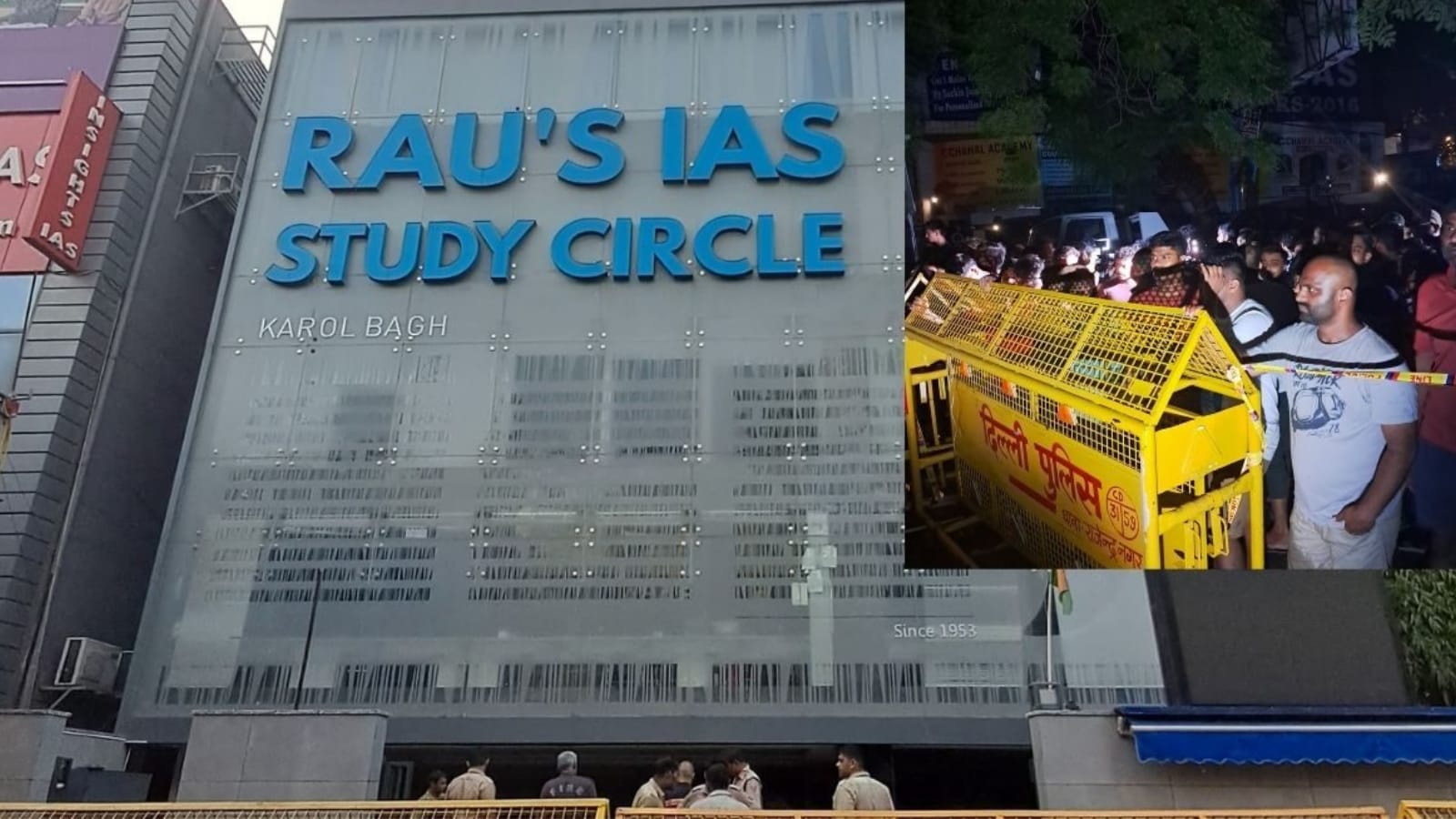
The Delhi High Court, dissatisfied with the Delhi Police investigation, transferred the case to the Central Bureau of Investigation (CBI). The CBI subsequently highlighted deficiencies relating to the drainage system, the building’s main gate and the basement. The court also refused to permit Rau’s IAS Study Circle to resume classes following the tragedy. For thousands of aspirants who had travelled to Delhi to prepare for one of India’s toughest examinations, the incident became a devastating reminder that even a place meant for studying could become deadly.
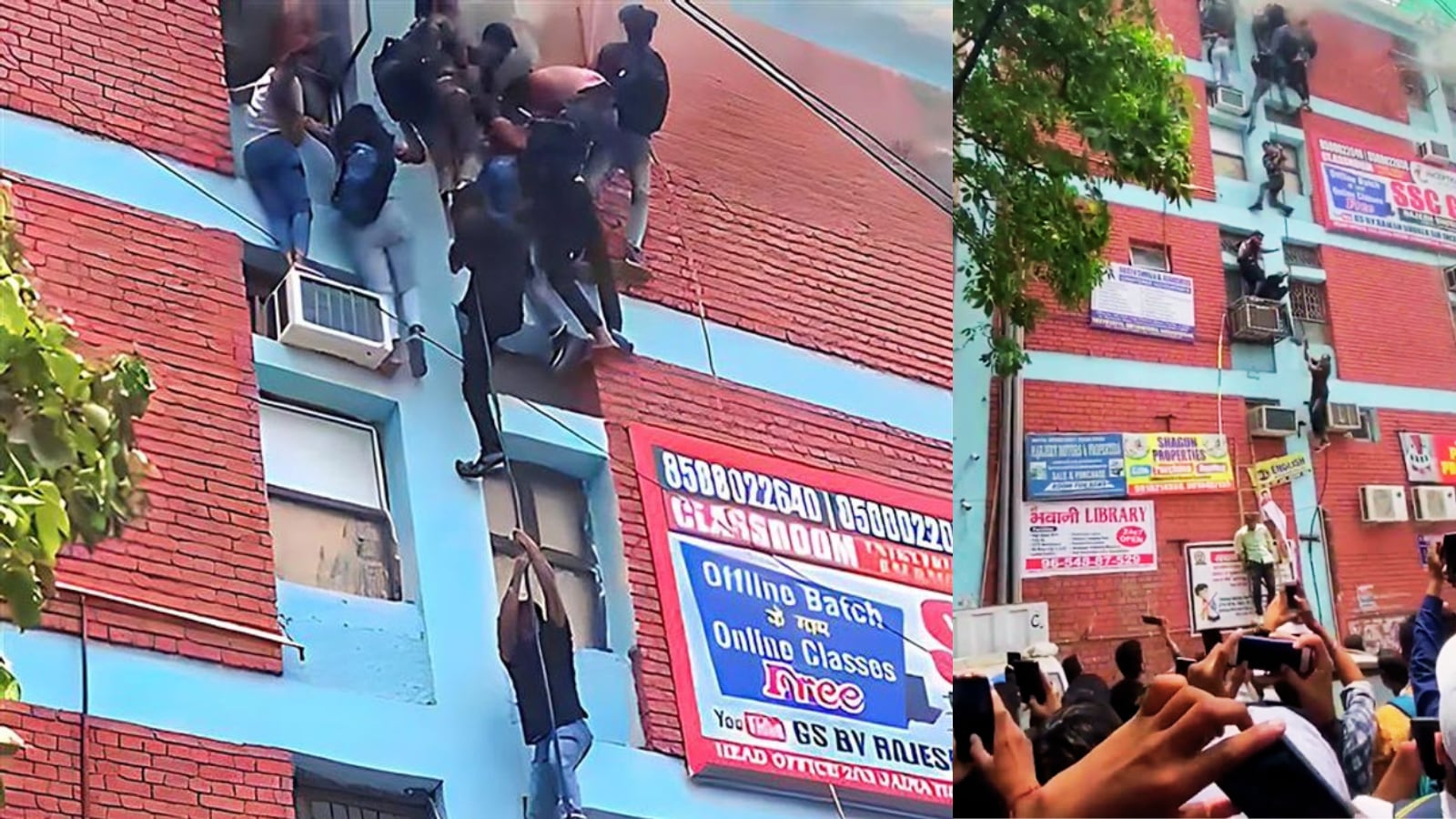
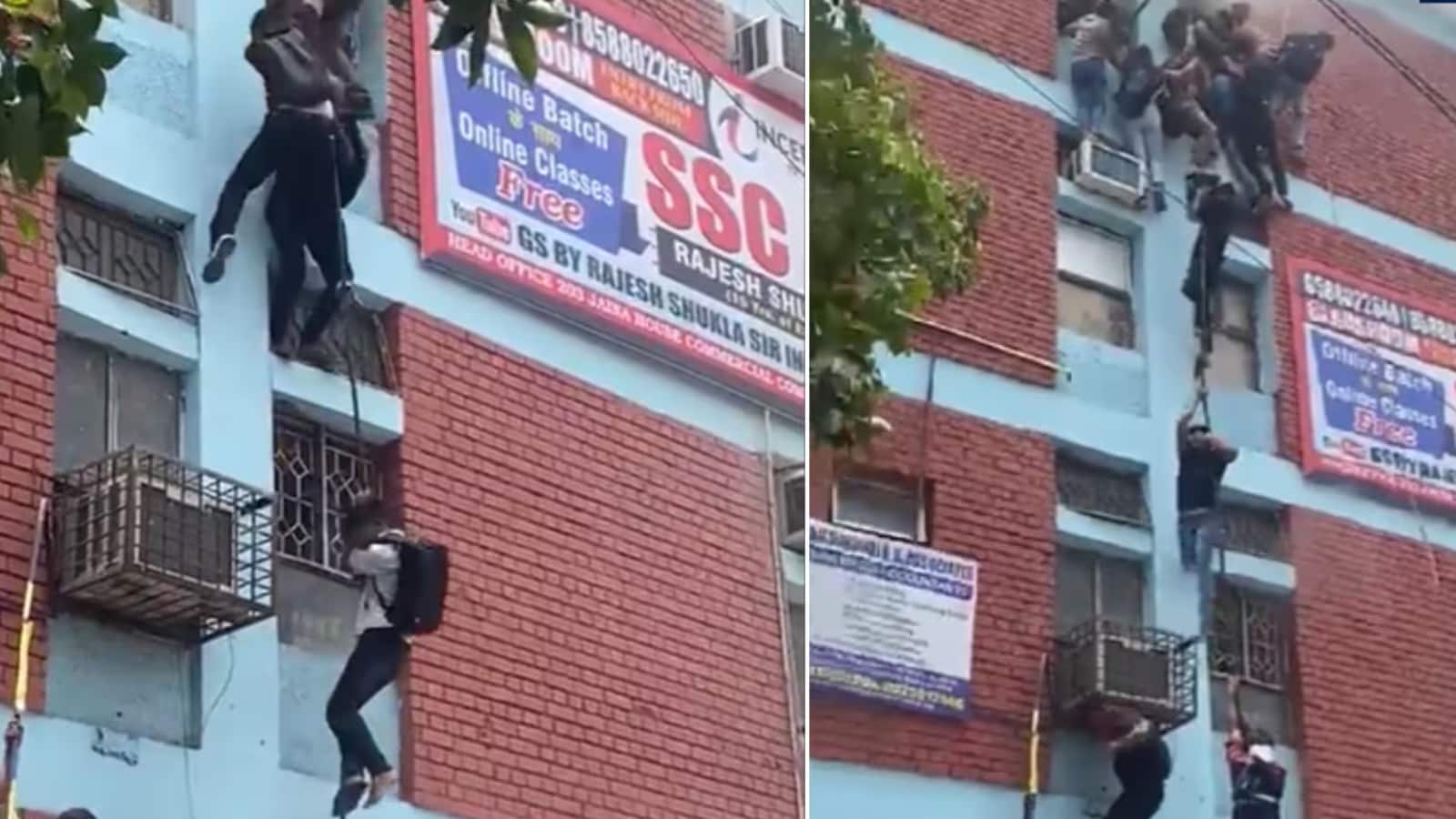
The concerns were not new. On June 15, 2023, a fire broke out at around 12:27 pm in a coaching-centre building in Mukherjee Nagar, another area packed with students preparing for competitive examinations. The fire began near the electricity meter or electrical board. Eleven Delhi Fire Service vehicles were sent to the location, and firefighters took around two hours to put out the blaze and evacuate the students. At the time, around 200-250 students were inside the three-storey building, which also had a basement. At least three coaching institutes and several commercial offices were operating from the premises. Once the fire started on the ground floor, smoke spread upwards, triggering panic among students trapped on the upper floors. With the situation rapidly deteriorating, several students attempted to escape through windows. Some climbed down using ropes, wires and AC pipes or ducts, while others tried to jump from the height. According to Delhi Police, 61 students and some office staff were injured and taken to three hospitals. Two students suffered serious injuries, while 50 people were later discharged.
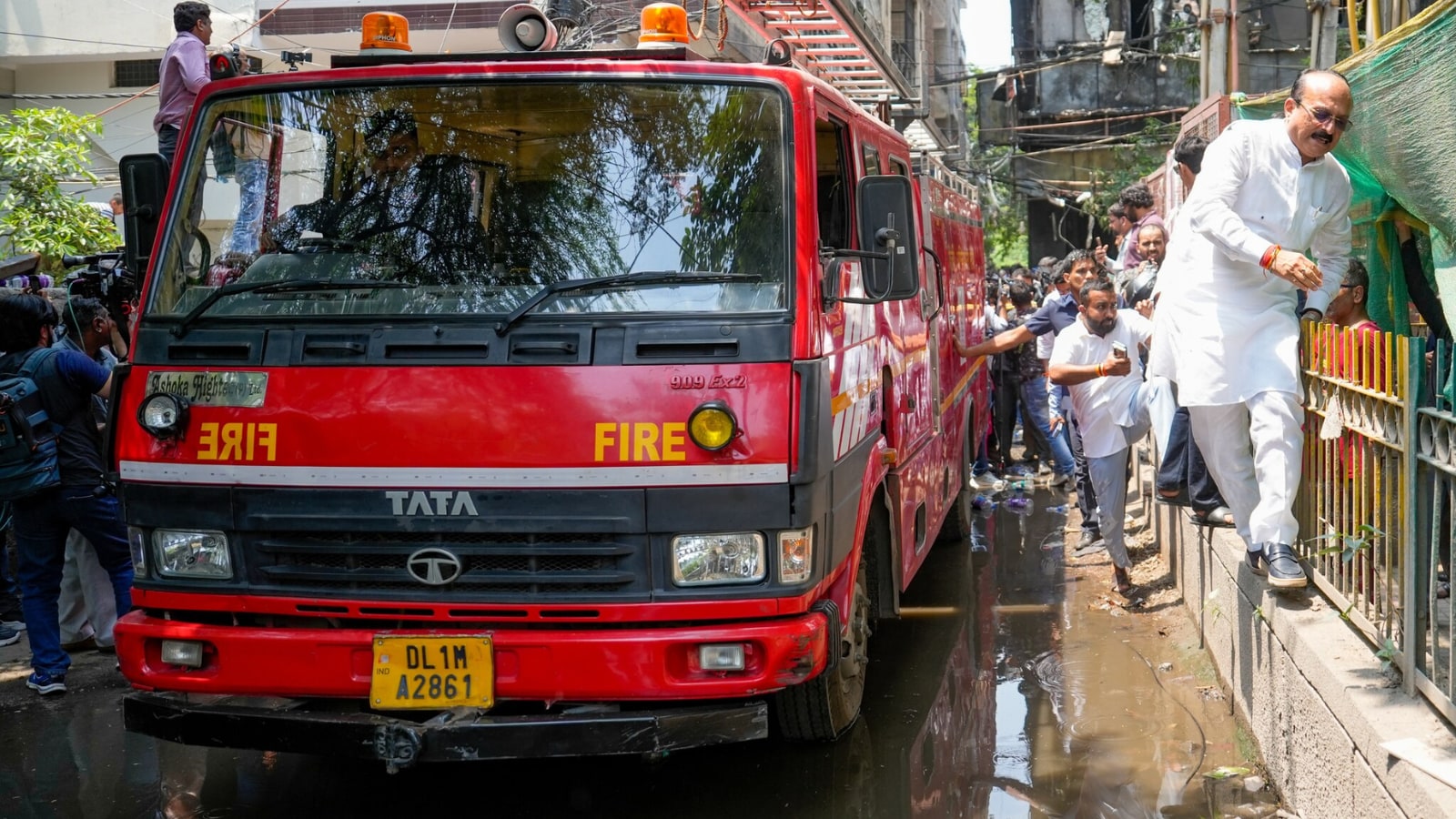
The incident immediately raised questions about whether the building had adequate fire-safety arrangements. Officials found insufficient firefighting equipment and noted that the building had a single entrance being used for both entry and exit. Police subsequently initiated action against three coaching institutes operating from the building. The Delhi High Court also took suo motu cognisance of the incident and called for fire audits of such buildings. The Mukherjee Nagar fire eventually pushed the question of safety in Delhi’s coaching centres into wider public debate.
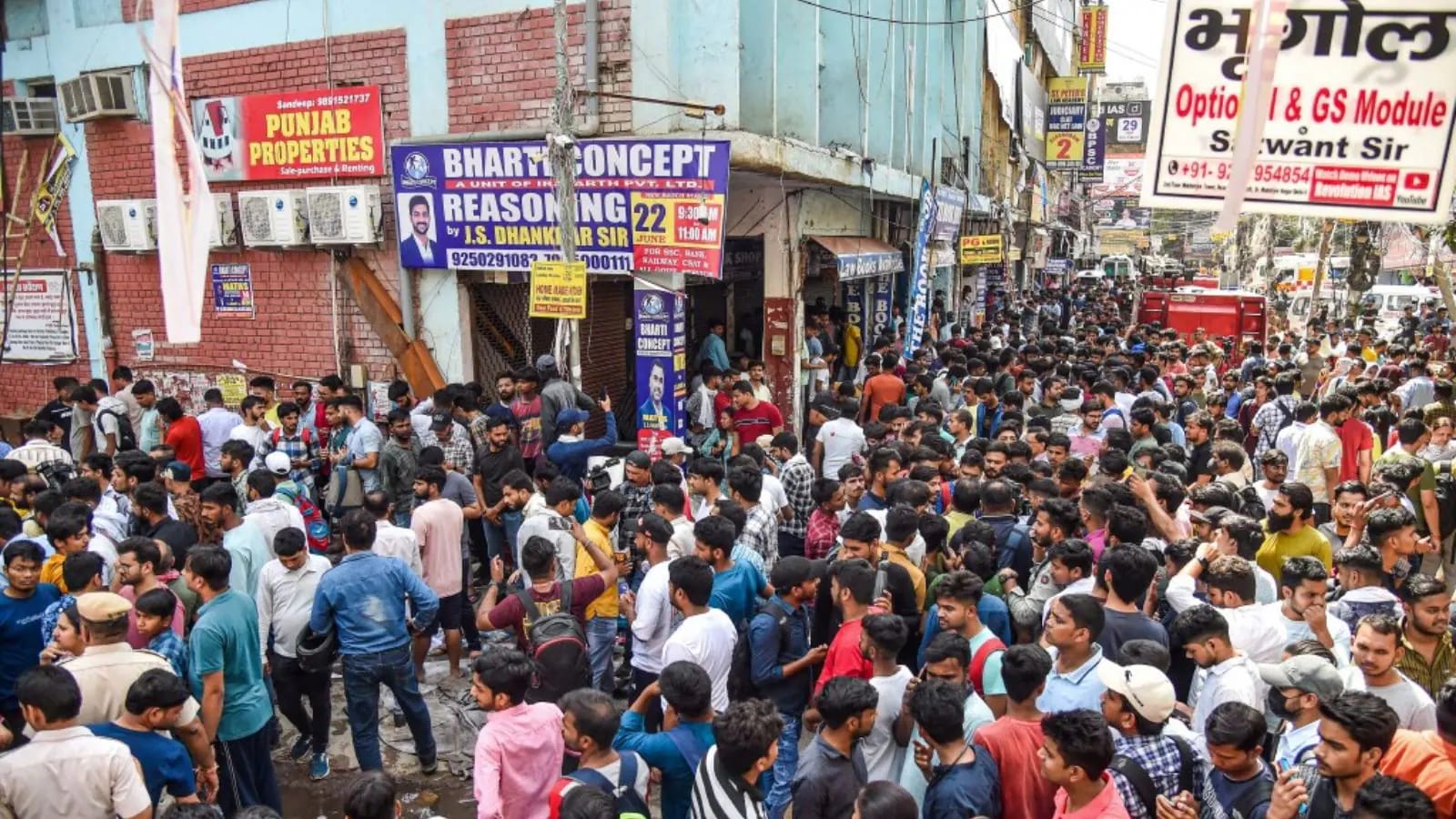
The Mukherjee Nagar fire, the Old Rajendra Nagar flooding and the Satya Niketan building collapse are not identical incidents. One involved fire, another involved flooding and the latest tragedy involved a structural collapse. Yet each has brought the safety of spaces used by young people under scrutiny. In Mukherjee Nagar, the questions centred on fire equipment, evacuation routes and overcrowded premises. In Old Rajendra Nagar, the focus shifted to unauthorised use of a basement, drainage failures and the ability of a building to withstand sudden flooding.
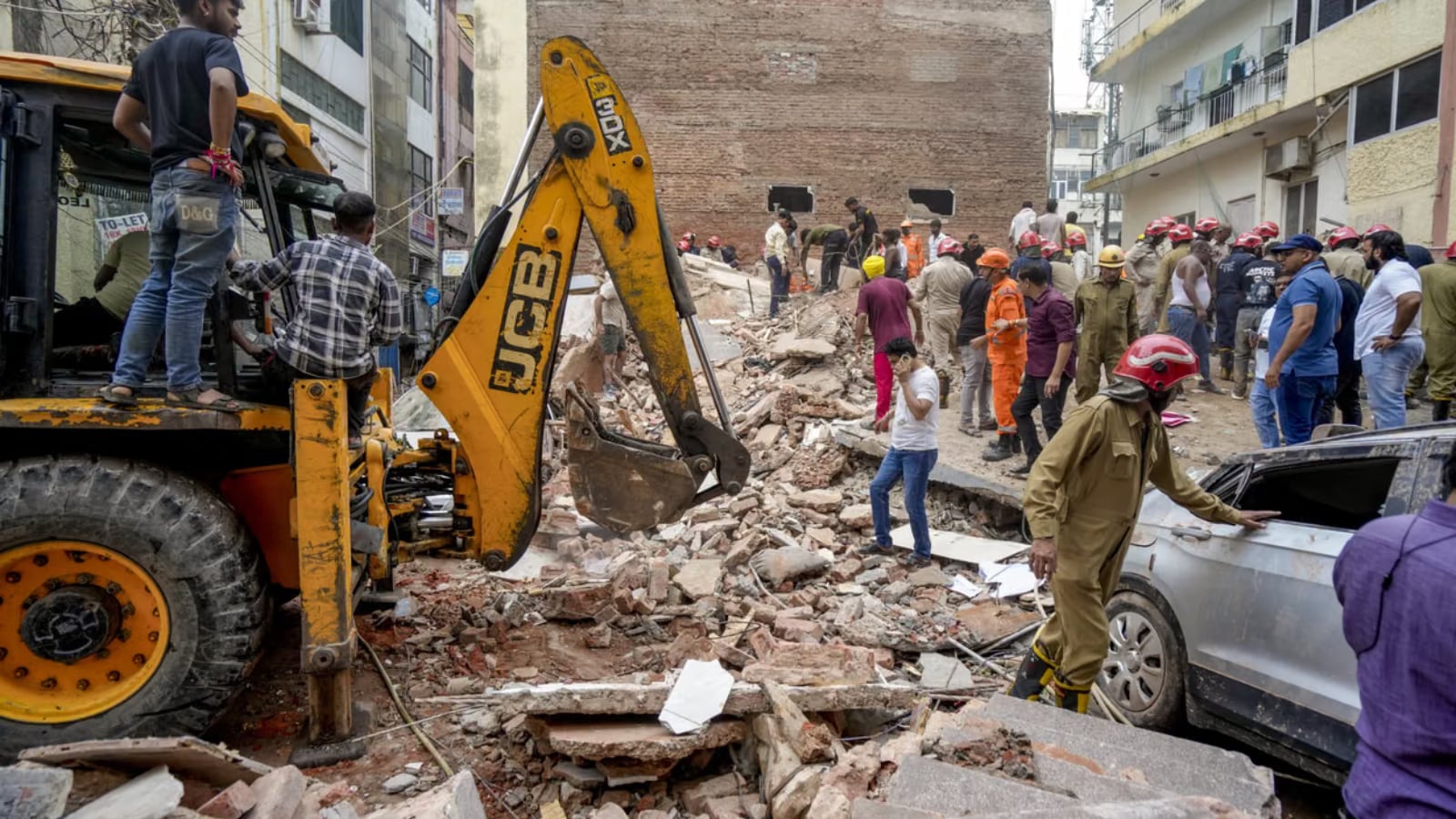
In Satya Niketan, investigators will now have to establish the precise cause of the collapse, including the role of renovation work, the building’s structural condition and the reported discrepancy between the permitted and actual number of floors. The claims about rainwater accumulating in the basement and potentially weakening the foundation will also need to be examined. But the recurring question is much broader: how many young people come to Delhi in search of a future, only to find that the buildings in which they study or live are not safe enough to protect them?
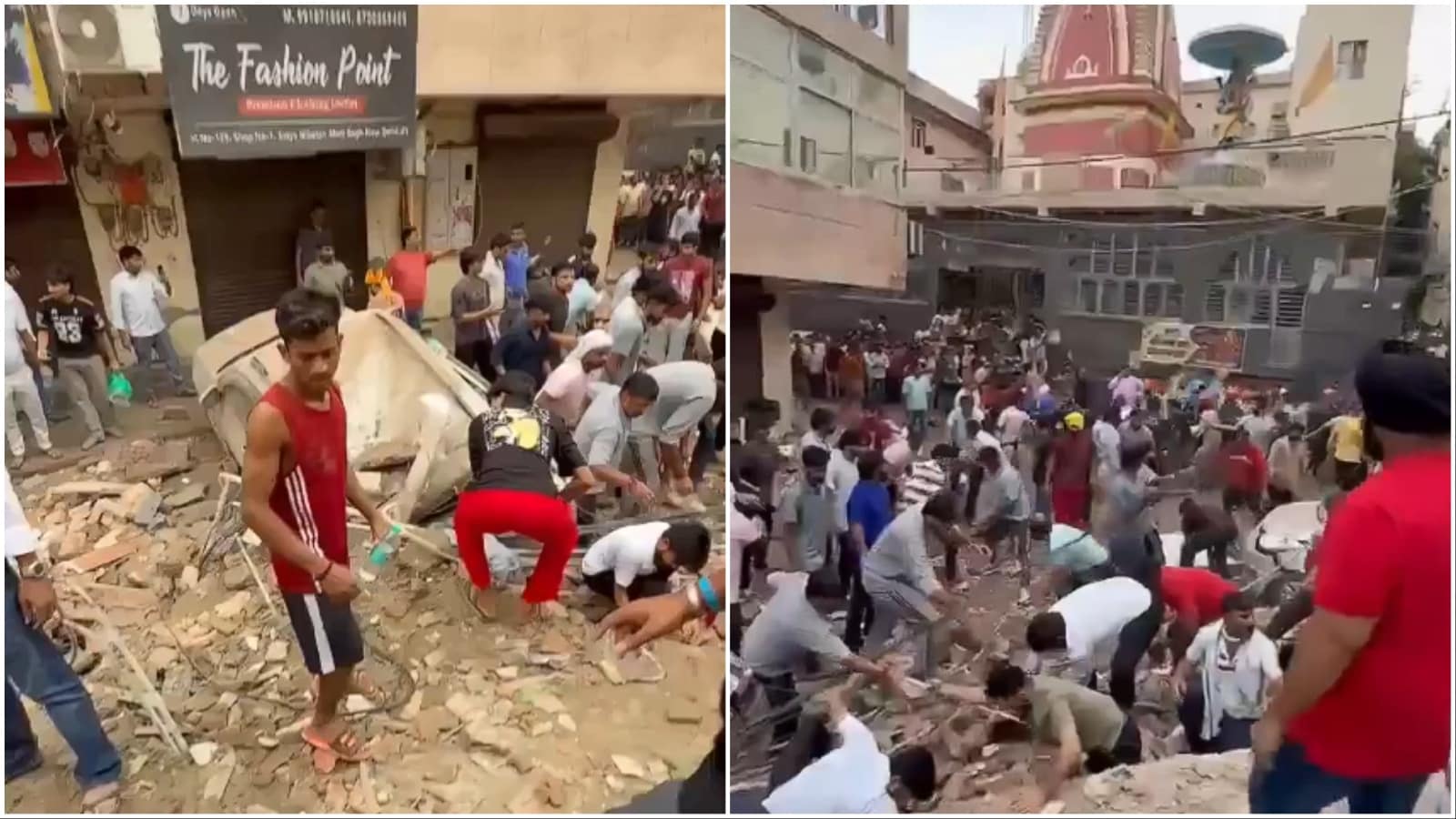
Places such as Mukherjee Nagar, Old Rajendra Nagar and Satya Niketan are not simply neighbourhoods on a map. They are ecosystems built around young people. Students rent rooms and PG accommodation close to colleges, coaching centres and Metro stations. Coaching institutes operate from buildings designed for other purposes. Commercial spaces are converted into classrooms and offices. Basements can become libraries or study areas. Old structures are renovated and sometimes expanded to accommodate more people.
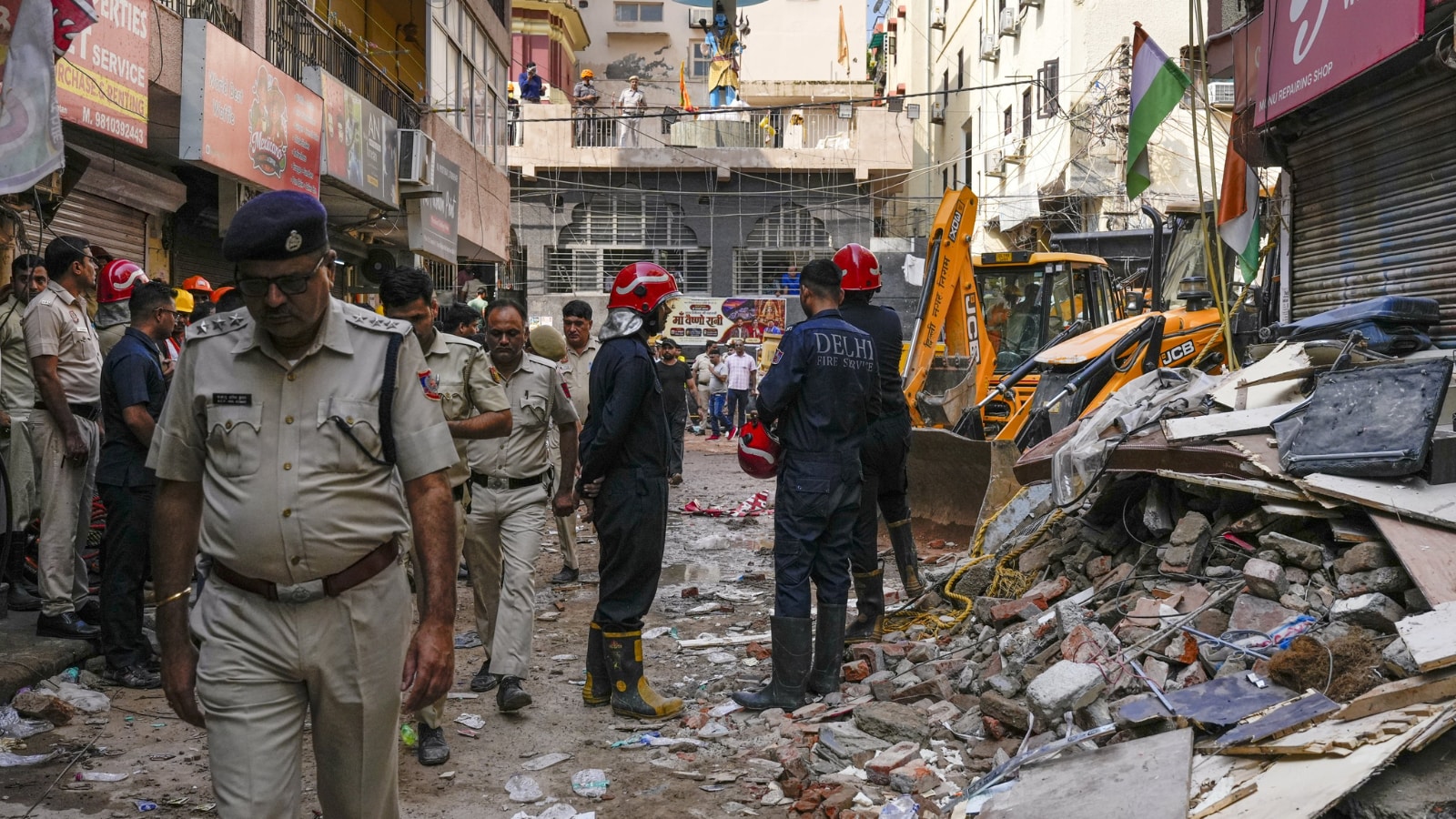
For students arriving from across India, many of these arrangements are simply part of the cost of living and studying in Delhi. Their priority is often finding affordable accommodation close to their institute or university. That makes enforcement and oversight crucial. A student looking for a room or a place to study may not be in a position to determine whether a building has the correct floor approval, whether its basement can legally be used as a library, whether its fire exits meet safety standards or whether renovation work could compromise its structure. Those are responsibilities that ultimately lie with building owners, operators and the authorities responsible for approving and monitoring such premises.
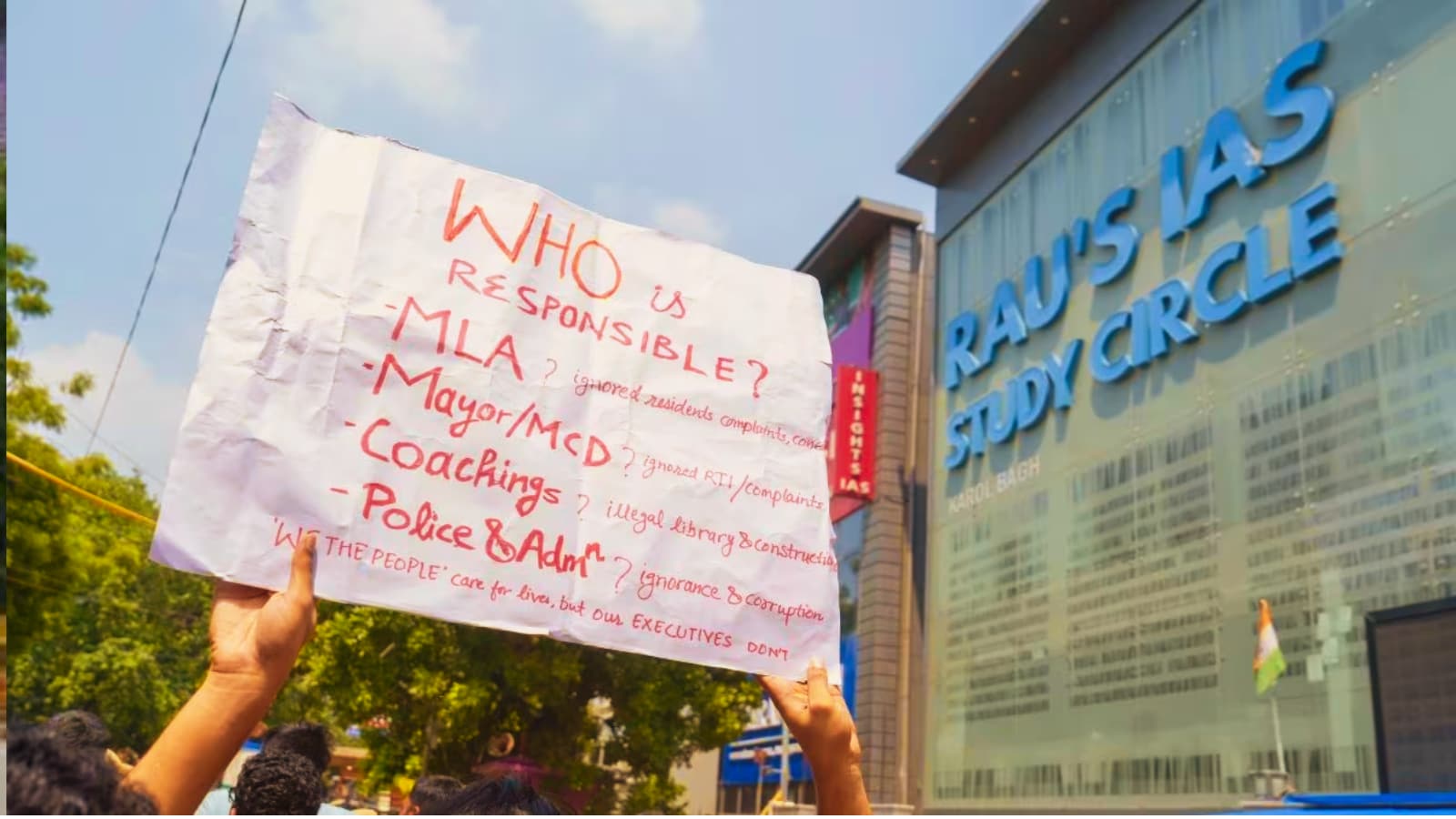
An aspirant in Mukherjee Nagar may be studying for the civil services because they want to become an IAS officer. A student in Old Rajendra Nagar may spend years preparing for the same examination while living far from home. A Delhi University student staying in Satya Niketan may simply be trying to complete a degree and build a career. Their ambitions are different, but their vulnerability can be the same. They depend on landlords, PG operators, coaching centres, building owners and civic authorities to ensure that the spaces around them are safe.
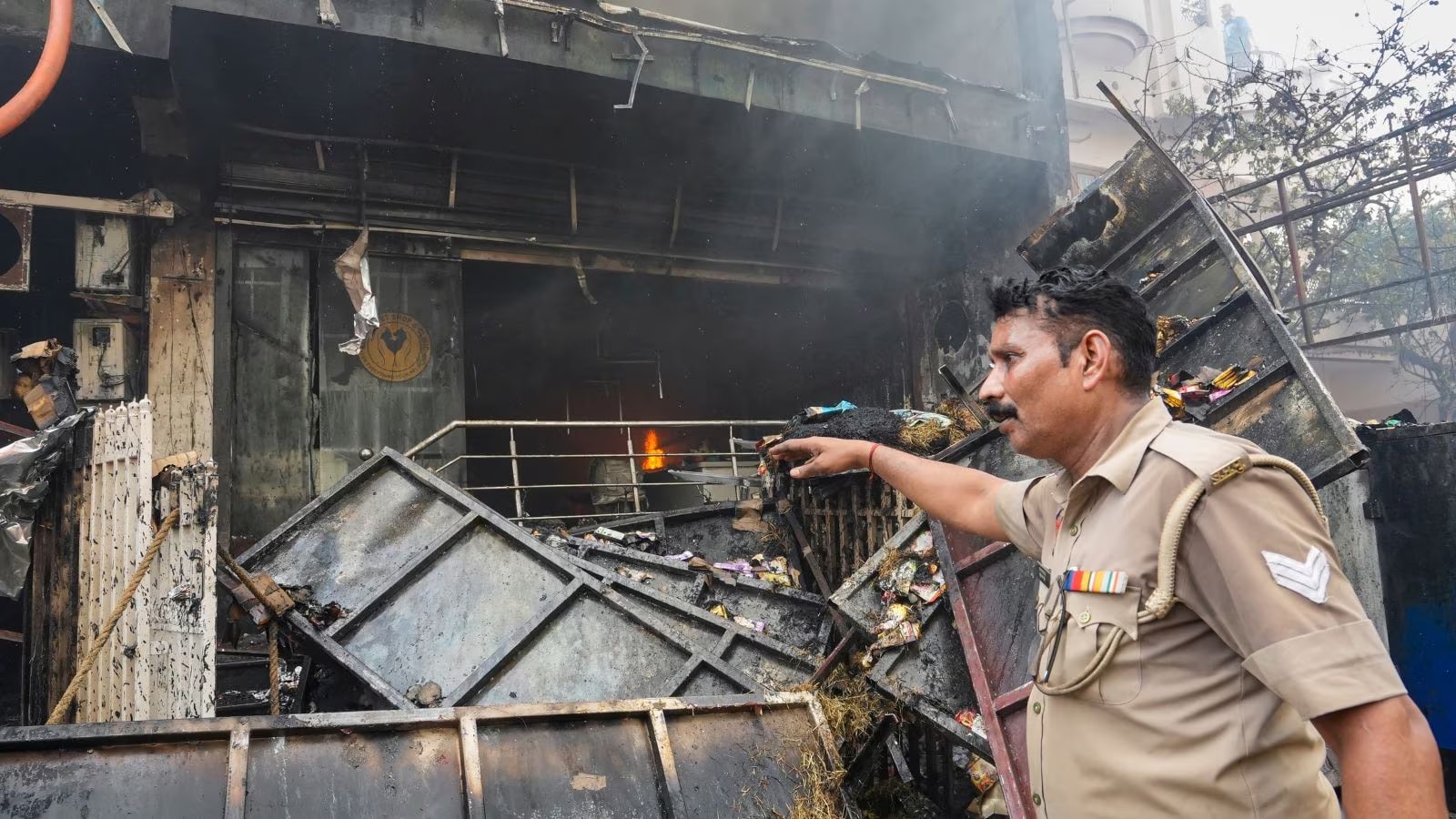
The Mukherjee Nagar fire should have strengthened fire-safety checks. The Old Rajendra Nagar deaths should have forced a deeper examination of basements, drainage and flood preparedness around coaching hubs. The Satya Niketan collapse now raises questions about structural safety, building permissions and construction or renovation work in residential buildings.
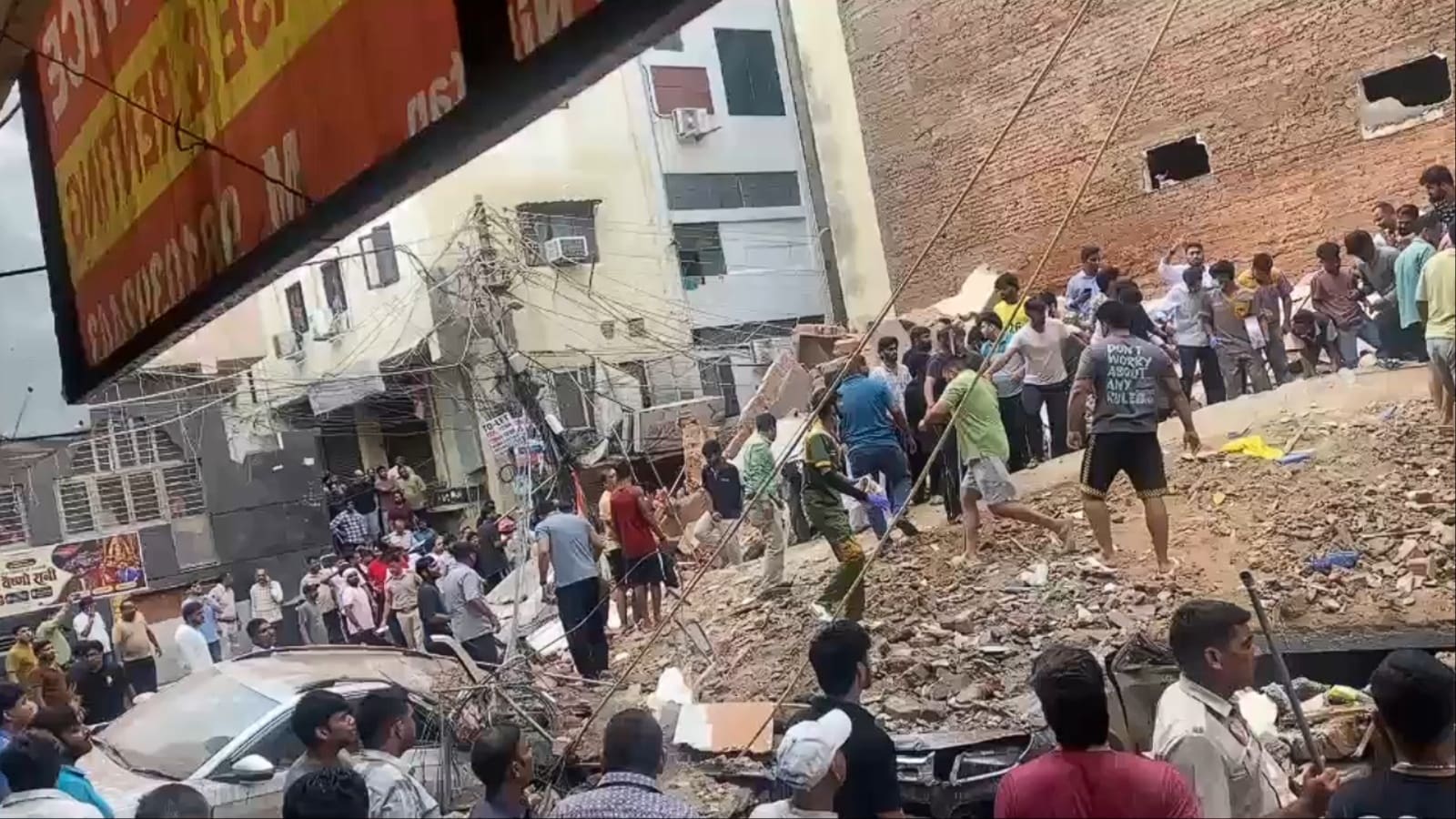
Each tragedy brings scrutiny. Each triggers investigations. Each produces promises of action. But the larger test is whether those lessons prevent the next tragedy. For the young people who come to Delhi with dreams of becoming officers, professionals and better providers for their families, safety should not be another risk they have to calculate. They came to the capital to build a future. They should not have to lose their lives simply while trying to reach it.