
Heatwave In India: Delhi Government Issues Advisory For Schools
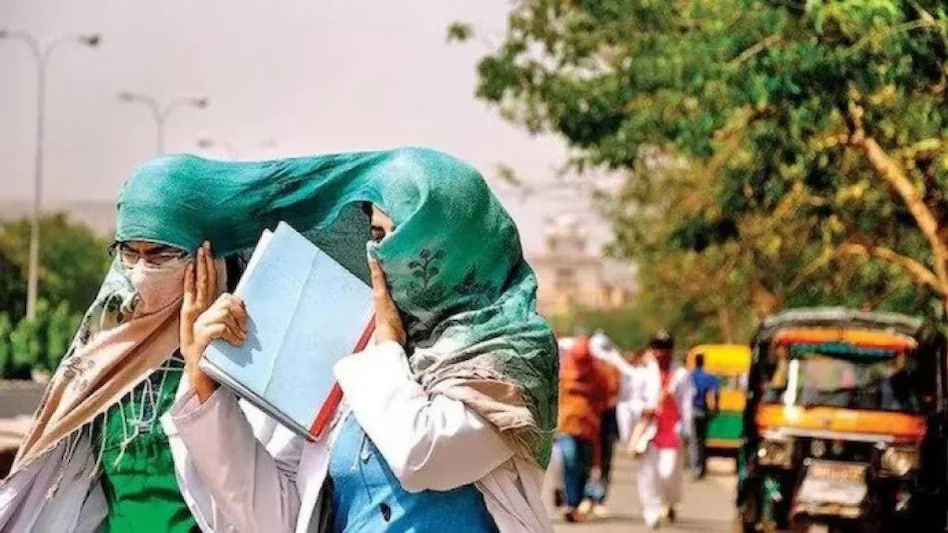
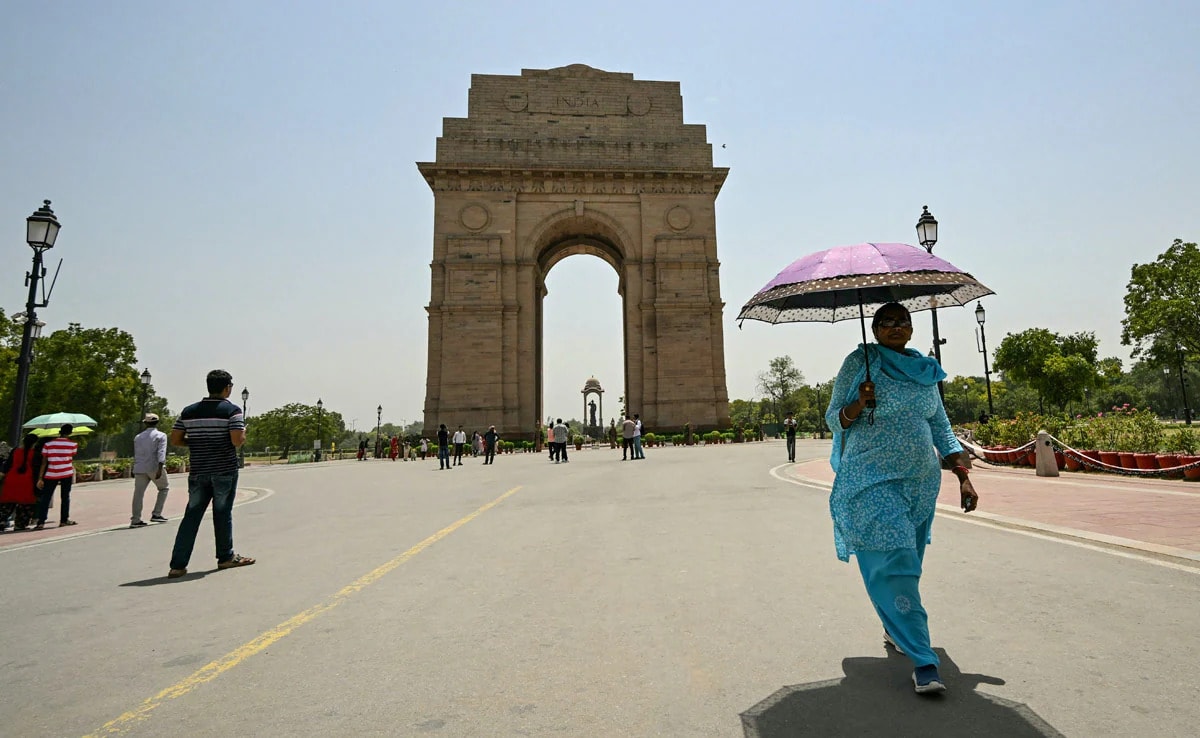
The Indian Meteorological Department (IMD) issued a yellow alert for heatwave and rising temperature in the national capital. It has predicted heatwave conditions at isolated places in Delhi from April 22, with maximum temperature expected to clim between 41 degree Celsius and 44 degree Celsius through April 24.
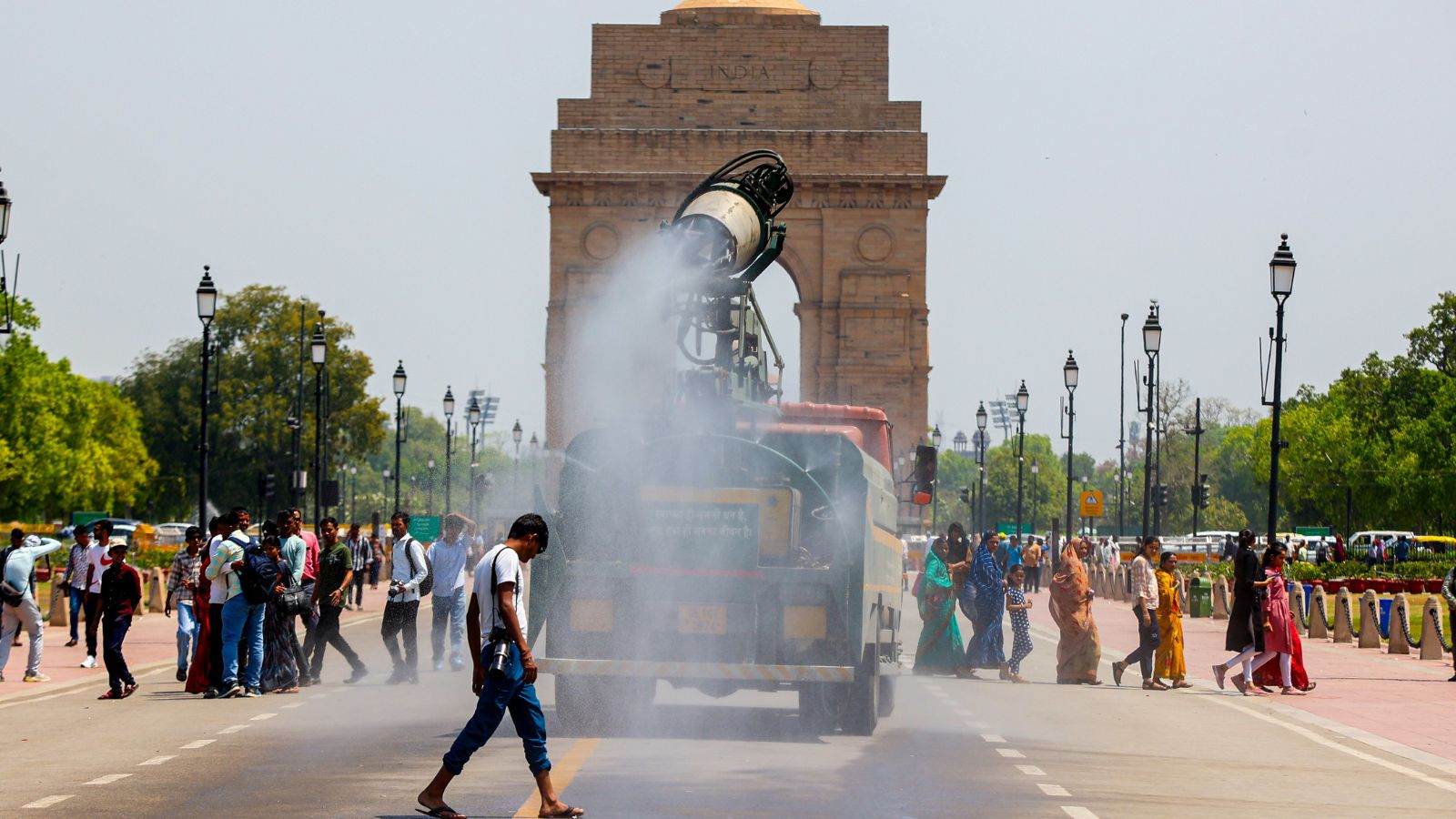
The Delhi government announced guidelines for all schools, focusing on hydration and safety measures. The guidelines issued by the Directorate of Education (National Capital Territory of Delhi) are applied to all government-aided and private unaided recognized schools. The guidelines include:

Outdoor Assemblies: Outdoor assemblies are to be curtailed or conducted in shaded/indoor areas with minimal duration. Furthermore, no open-air classes are to be conducted. Students must also avoid outdoor activities.
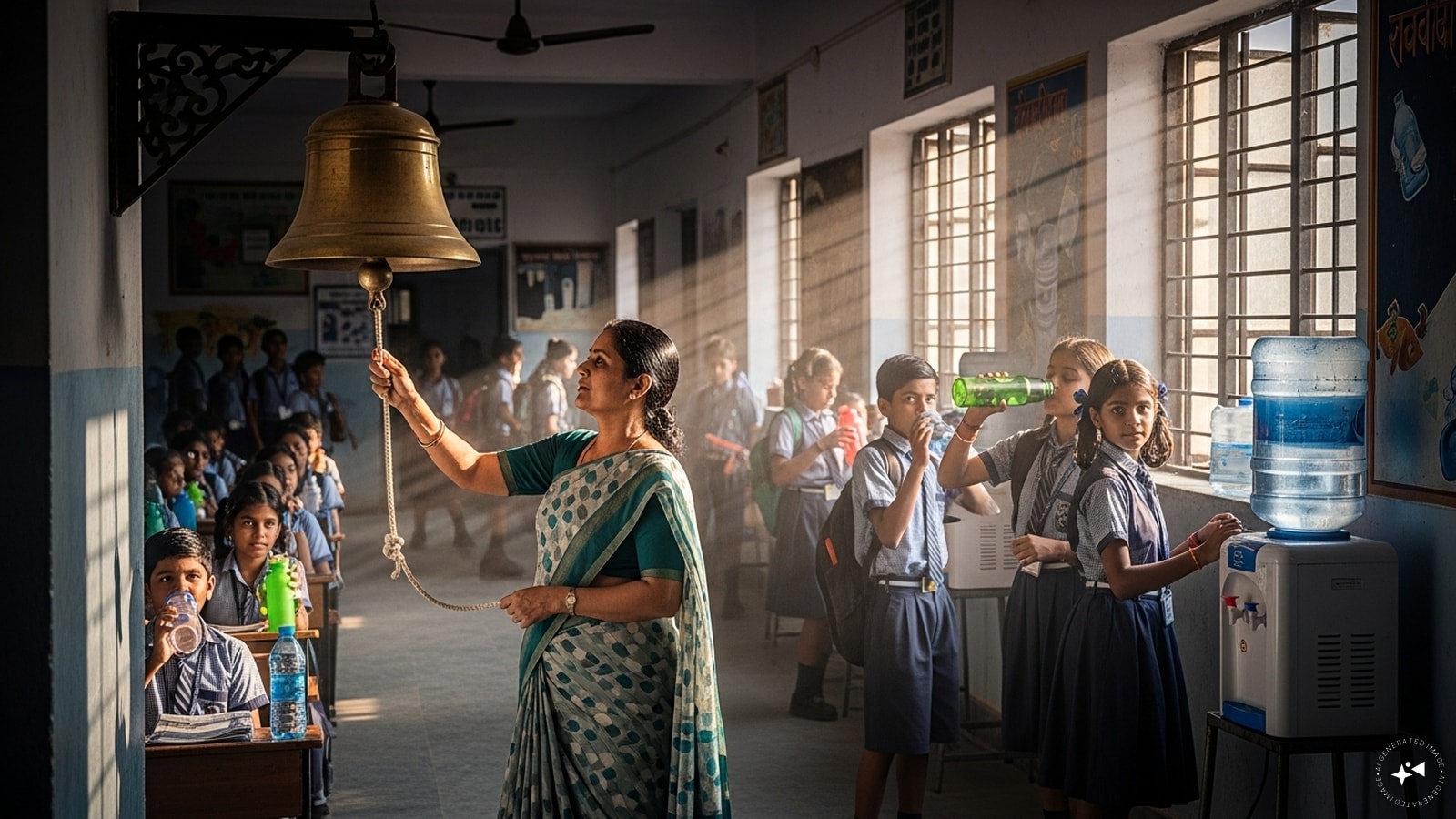
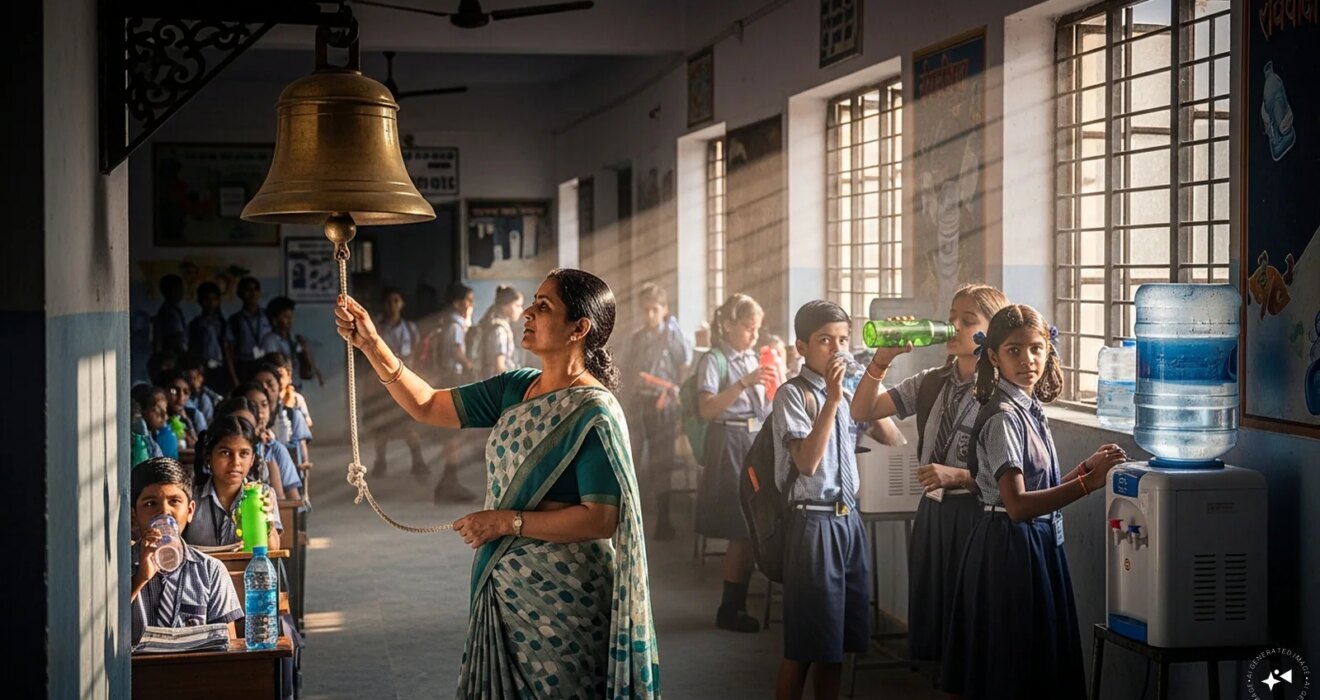
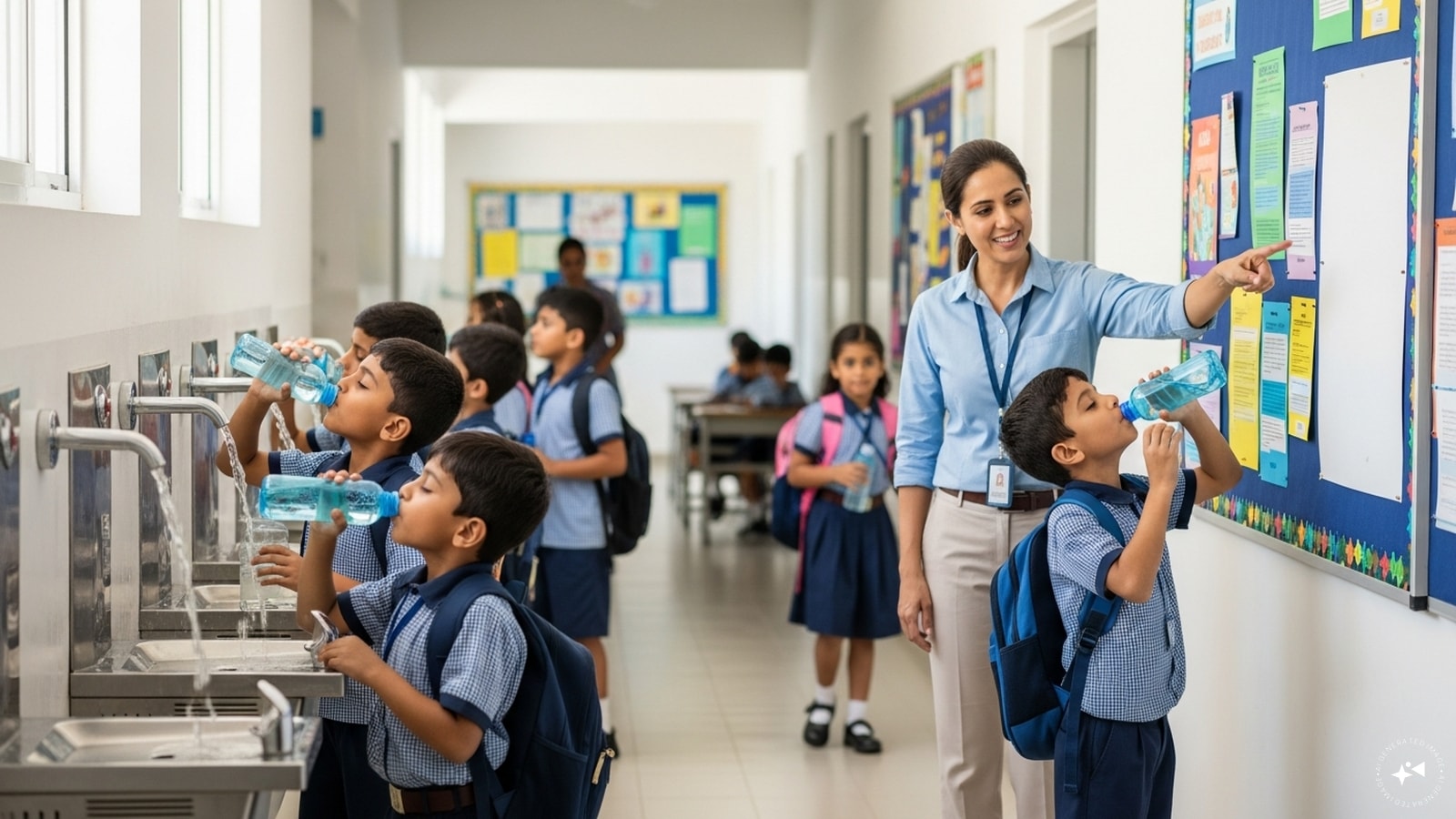
Water Bell Initiative: Schools shall implement a ‘Water Bell’ system whereby a bell is rung at regular interval (every 45-60 minutes), to remind students to drink water to prevent dehydration.
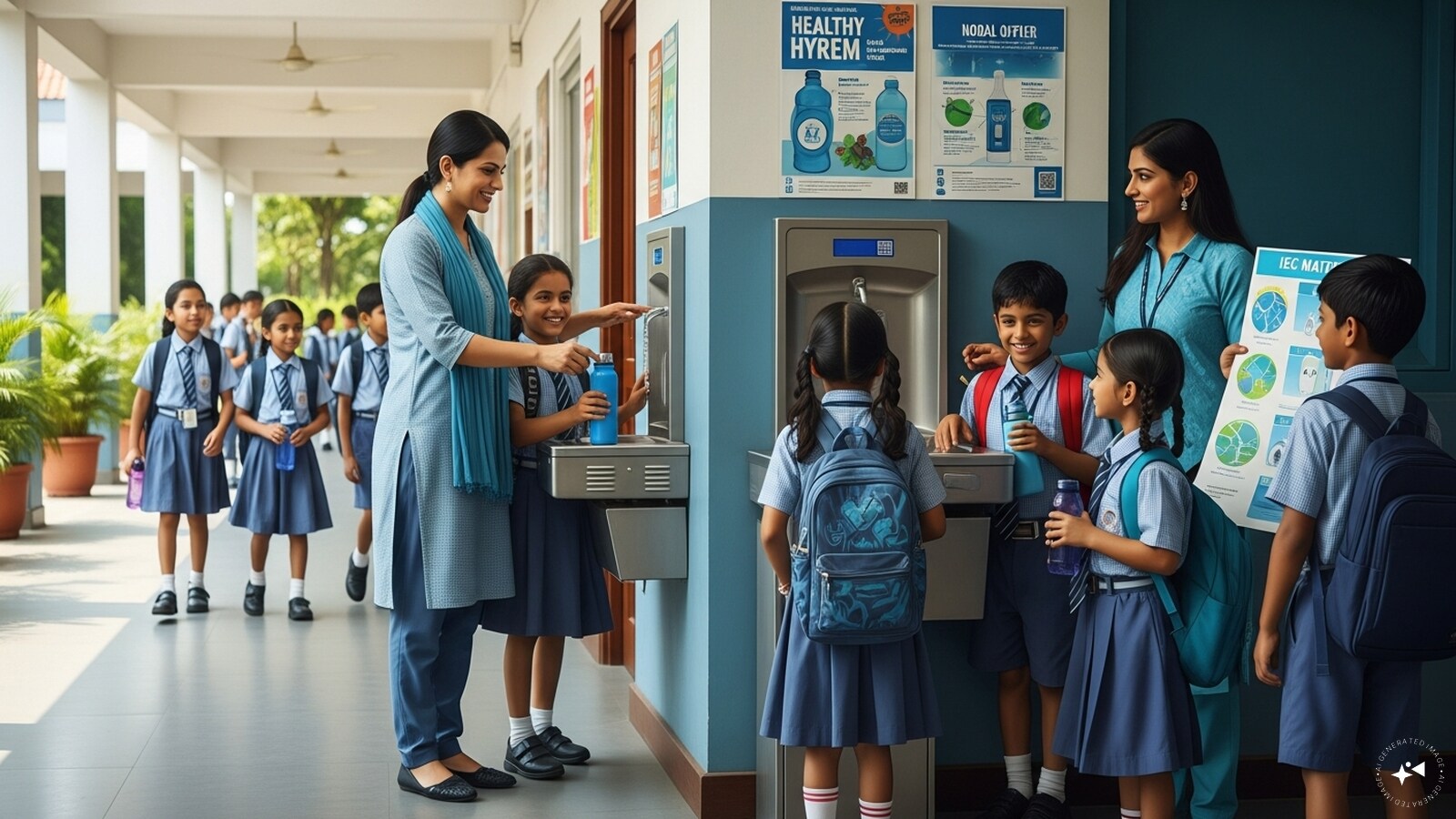
Display of IEC Material: IEC (Information, Education and Communication) material issued by the Health Department, Government of NCT of Delhi, on heat wave precaution shall be prominently displayed at visible locations in schools, including notice boards, corridirs, and classrooms.
Awareness Session: Schools should organize brief awareness sessions during class hours or assemblies to educate students on preventive measures, the importance of staying hydrated, and how to recognize symptoms of heat-related illnesses. They must also ensure that immediate first aid and medical attention are provided whenever necessary.

Buddy System: A buddy system may be introduced, pairing each student with another during school hours so they can look out for one another and help monitor each other’s physical well-being.
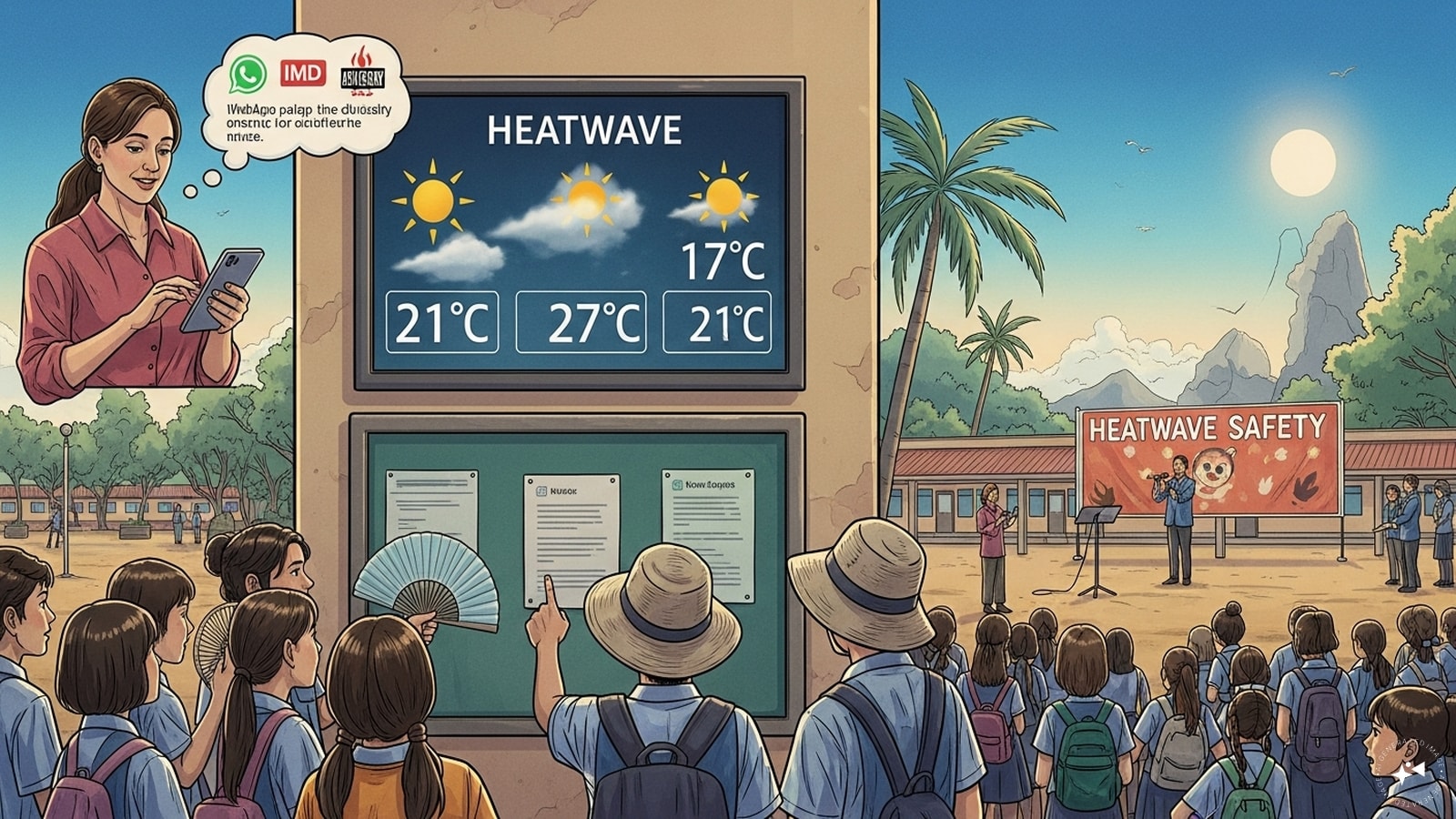
Regular Advisory Updates: Class teachers should share advisories issued by the India Meteorological Department (IMD) with parents through class-specific WhatsApp groups to ensure regular awareness and guidance on heat safety measures. Schools should also circulate daily heatwave forecasts and alerts among students during assemblies or prayer time, as well as display them on notice boards, to promote timely awareness and encourage necessary precautions.
Appropriate Clothing and Personal Hygiene: Parents are advised to ensure that their children attend school wearing light, breathable cotton clothing to stay comfortable in the heat. They should also emphasize good personal hygiene habits, including daily bathing, to help children remain fresh and better cope with high temperatures.
The DoE has also instructed each school to appoint nodal officers who will oversee the implementation and monitoring of initiatives such as the water bell system, awareness sessions, and the display of IEC materials.
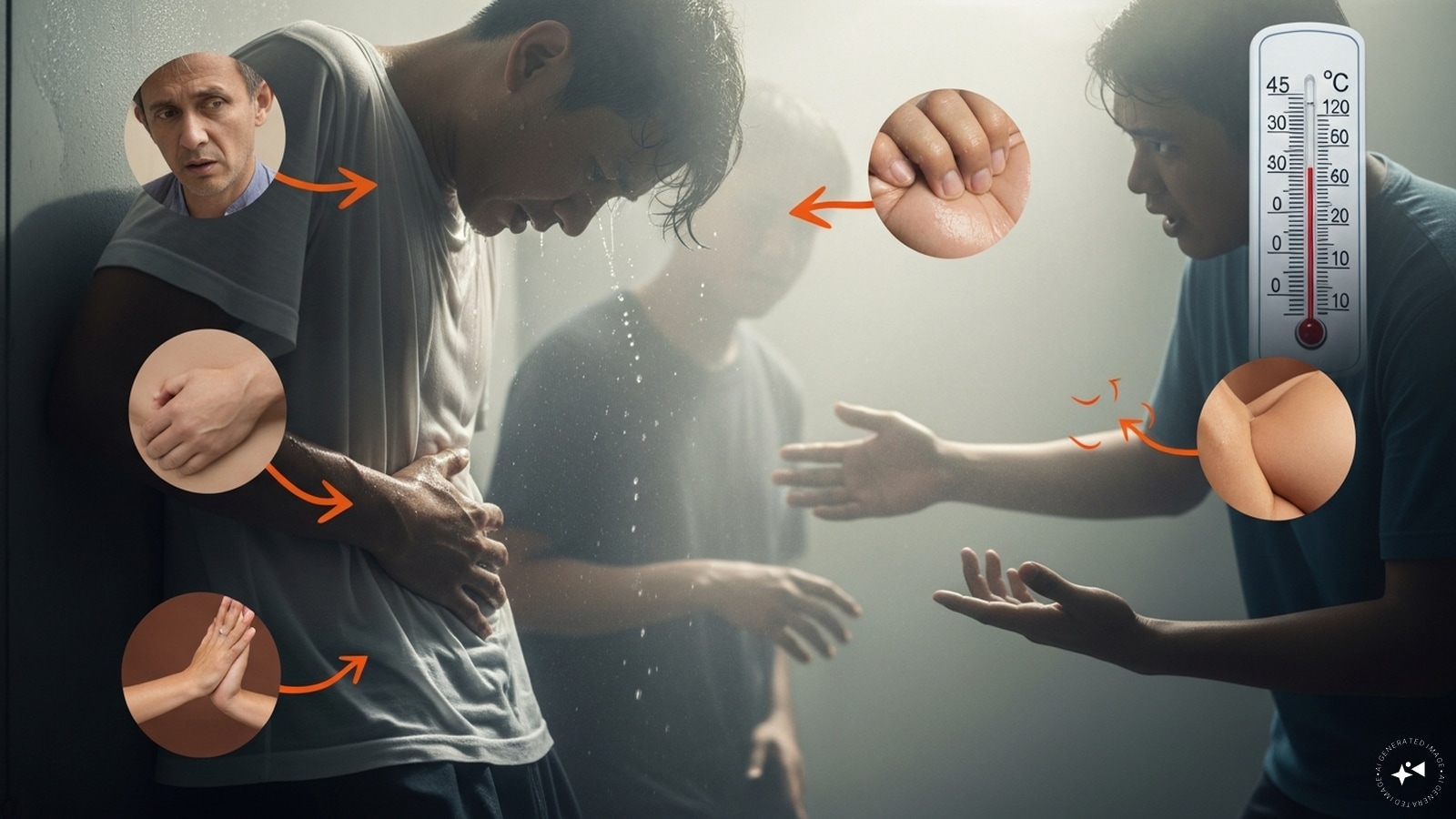
The DoE noted that the symptoms of heat-related illness include:
– Nausea and increased sweating
– Vomiting
– Acts or talks confused
– Muscle cramps
– Fainting
– Weakness
– Dizziness
– Body temperature rises to 40.5 degree Celsius.

First aid measures to follow if you feel dizzy:
– Drink water to rehydrate
– Move to cooler place immediately
– Loosen clothes if possible
– Sponge with water
– If unconscious, do not force-feed or give water.
– If symptomspersist, immediately visit the nearest health centre or call an ambulance.