

What Is APAAR ID? Benefits And Major Concerns Explained | Education and Career News
Last Updated:
A case was filed by parents of four students who argued that while APAAR ID is described as voluntary, many schools were allegedly pressuring students to obtain it.




APAAR is part of the Ministry of Education’s ‘One Nation, One Student ID’ initiative under the NEP 2020. (File/Representative)
The Supreme Court has issued an important order in the APAAR ID case, impacting millions of students and parents across India. The court has directed that the CBSE’s consent process be revised in line with the Odisha High Court’s ruling, ensuring parents have a clear choice to either approve or reject the creation of an APAAR ID for their child.
The case raised broader concerns about the right to education, privacy, Aadhaar linkage, and the protection of children’s digital data.
What Is APAAR ID?
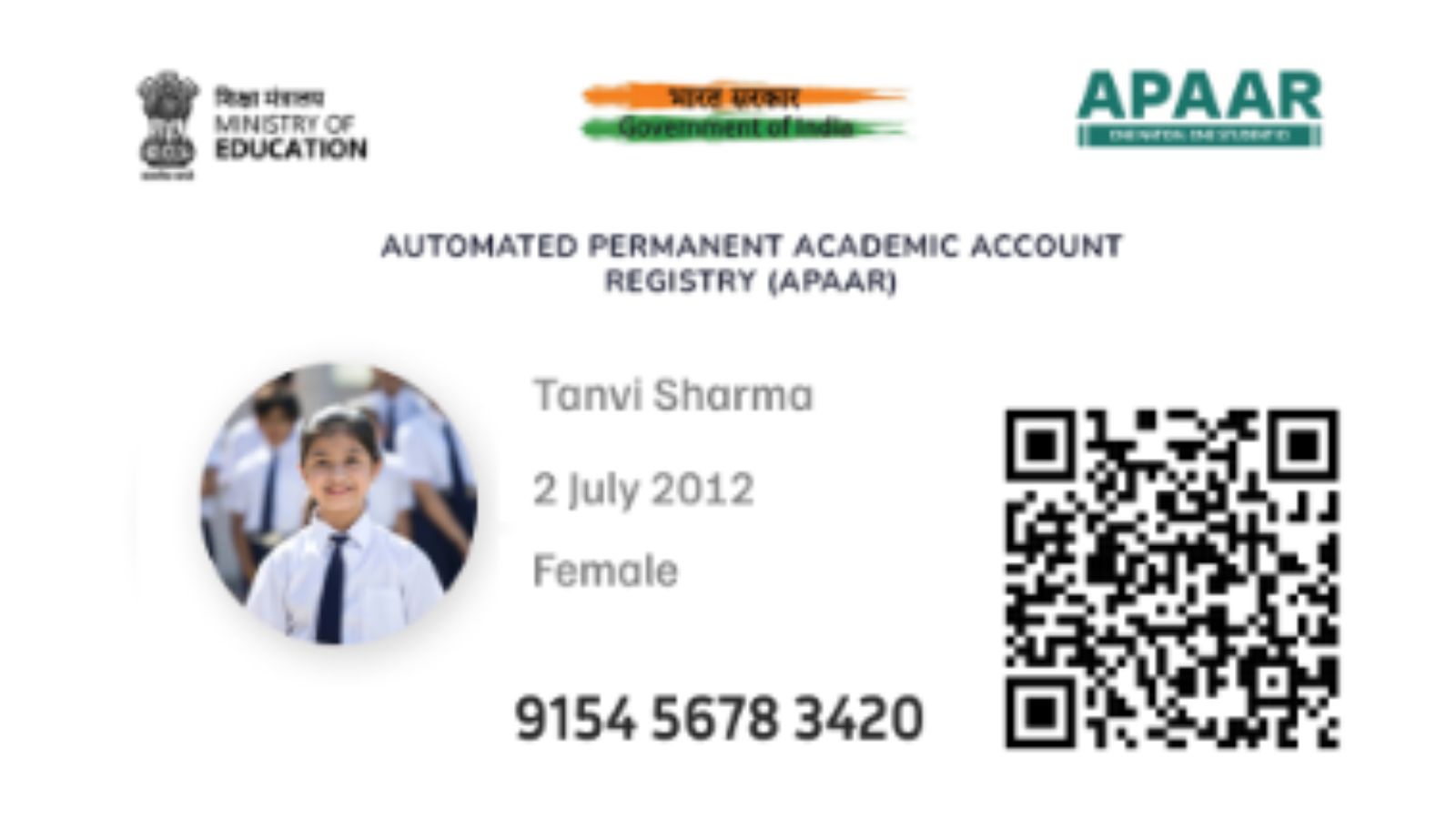
APAAR (Automated Permanent Academic Account Registry) is part of the Ministry of Education’s “One Nation, One Student ID” initiative under the National Education Policy (NEP) 2020.
It provides students with a unique 12-digit digital ID that stores academic records, including marksheets, certificates, degrees, credits, awards, and achievements. The ID is linked with the Academic Bank of Credits (ABC) and DigiLocker.
What Information Does APAAR ID Contain?
APAAR ID may include:
– Student’s name and date of birth
– School details
– Academic records and examination results
– Certificates and qualifications
– Awards and achievements
– Academic credits
Since the data belongs largely to minors, parents’ consent has become a key issue.
Why Did The Matter Reach Supreme Court?
The case was filed by parents of four students who argued that while APAAR ID is described as voluntary, many schools were allegedly pressuring students to obtain it. They also raised concerns that education should not be linked to digital IDs such as Aadhaar or APAAR.
Senior advocate Indira Jaising argued that education is a fundamental right and highlighted concerns over children’s privacy and personal data protection under the Digital Personal Data Protection Act, 2023. She also referred to the Supreme Court’s landmark K.S. Puttaswamy judgment, which recognised privacy as a fundamental right.
Supreme Court’s Direction To CBSE
The Supreme Court directed CBSE to modify its model consent form. Parents must now be given a clear option to give consent for creating their child’s APAAR ID, or decline participation. The court emphasised that no student should be included in the scheme without explicit parental consent.
The Odisha High Court’s December 2025 decision will apply nationwide since it was not challenged by the Central Government.
The government and CBSE have said that APAAR ID is intended to simplify academic record management by keeping students’ educational documents on a single digital platform. They say it will make verification easier, reduce paperwork, and help prevent document loss and fraud.
Benefits Of APAAR ID
– Centralised digital academic records
– Easier admission, transfer, and employment verification
– Simple transfer of academic credits through ABC
– Quick certificate verification through DigiLocker
– Reduced dependence on physical documents
Concerns Over APAAR ID
Parents and privacy experts have raised concerns about:
– Possible misuse or leakage of children’s personal data
– Privacy risks from storing large amounts of information digitally
– – Pressure on students to obtain IDs despite the scheme being voluntary
– Possible difficulties for students without APAAR IDs
The Supreme Court has stressed that digital education initiatives must balance convenience with consent, privacy, and legal safeguards.
How Is APAAR ID Created?
The process involves:
– Obtaining parental consent
– Submitting the consent form through the school
– Verification of student details through ABC and DigiLocker
– Completion of Aadhaar-based KYC and educational verification
According to the Ministry of Education, more than 31 crore students have registered for APAAR IDs so far. However, the Supreme Court’s order has reaffirmed that parental consent remains essential, giving parents the right to accept or refuse participation.
The Supreme Court has ruled that parental consent is mandatory for the creation of an APAAR ID for students. Schools are prohibited from denying admissions, board exam registrations, or mark sheets to students who lack an APAAR ID.
About the Author

A team of reporters, writers and editors brings you news, analyses and information on college and school admissions, board and competitive exams, career options, topper interviews, job notifications, …Read More
Read More