
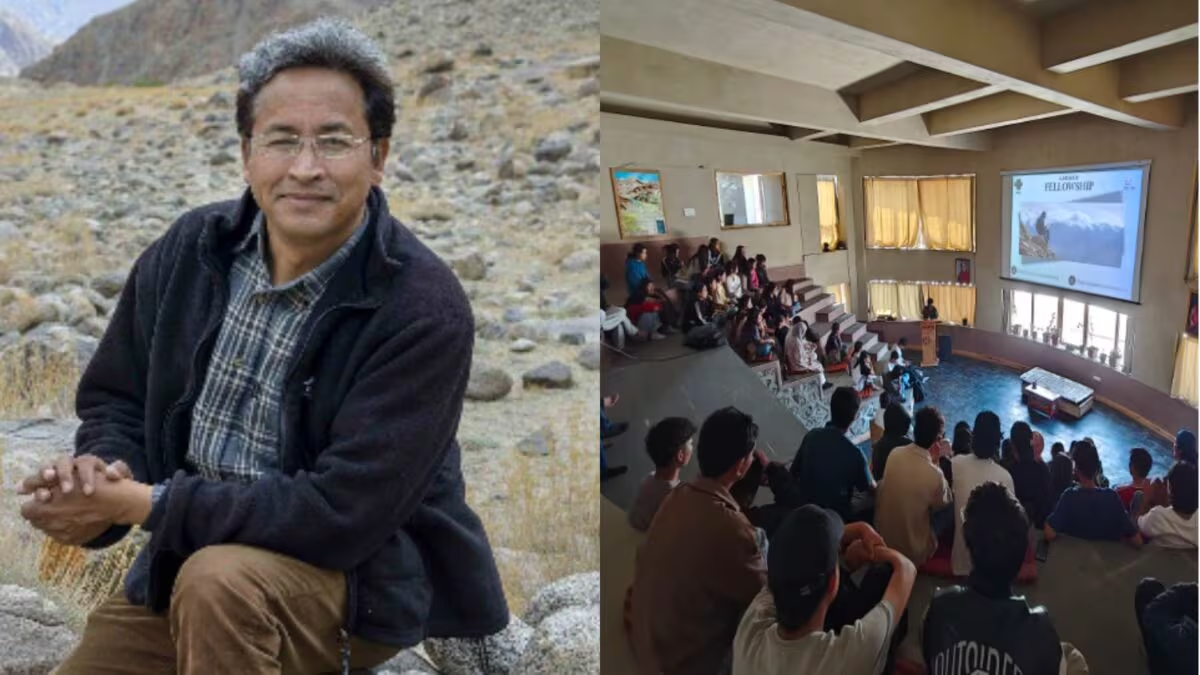
Sonam Wangchuk Patent Details: 5 Real Innovations That Changed Ladakh
Sonam Wangchuk, widely recognised as an engineer, education reformer, and climate activist, has devoted his life to reimagining education, fostering innovation, and promoting sustainable living in Ladakh. Born in a remote village in the Union Territory, his journey and groundbreaking innovations reflect his belief that learning should be rooted in real-world challenges and practical solutions. Let’s take a look at his top five innovations, however, there is no credible evidence that Wangchuk has any patented any of it to his credit. (File Photo/PTI)

Ice Stupa Artificial Glacier: The Ice Stupa is Sonam Wangchuk’s most recognised innovation. It creates cone-shaped artificial glaciers by storing excess winter water as ice, which melts during spring and helps farmers during the crucial irrigation period. The gravity-based system avoids the need for pumps or electricity. It helps address water shortages in Ladakh and supports farming communities. It also offers a climate-adaptation model for mountain regions. (File Photo/PTI)
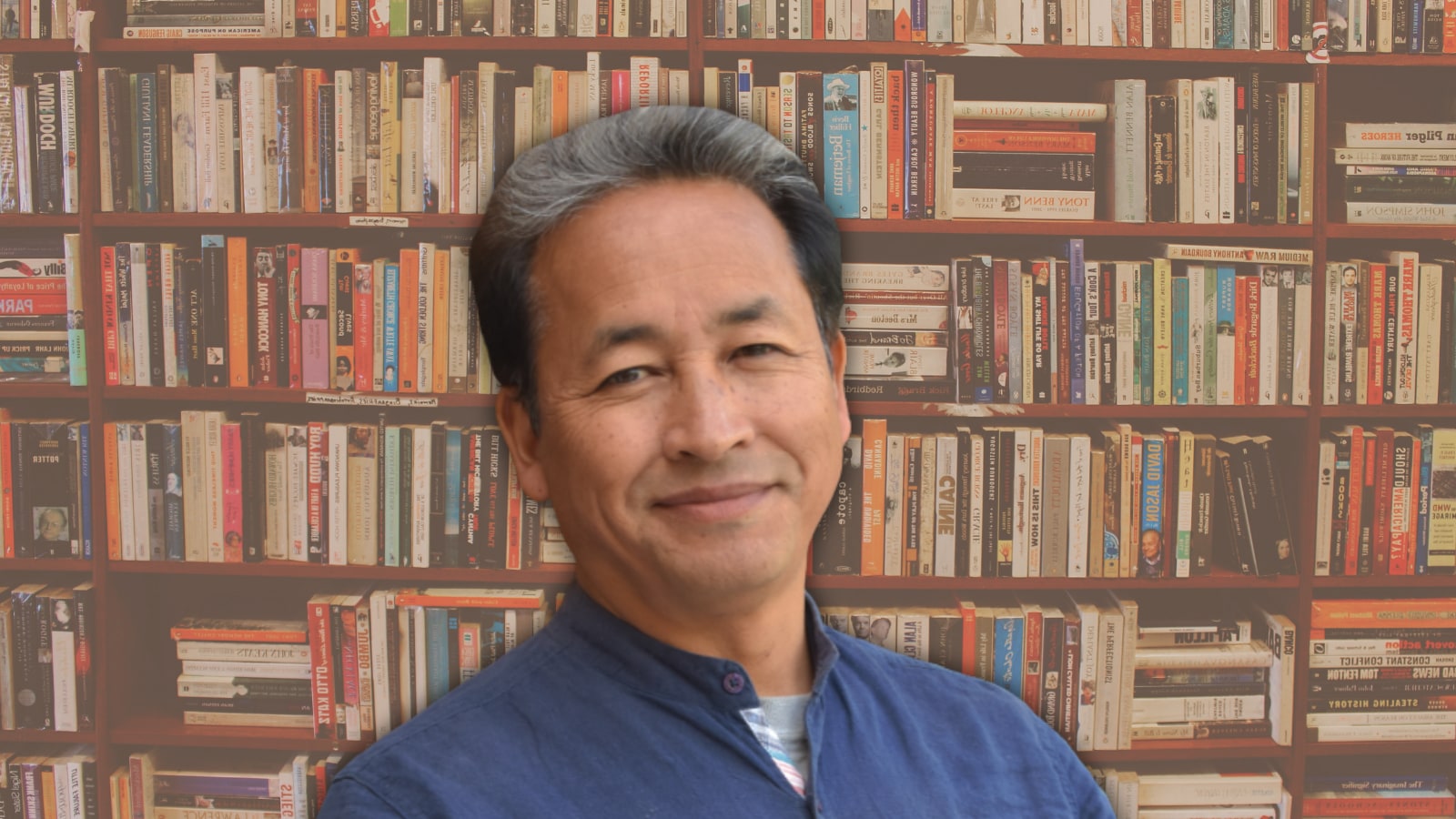
SECMOL Alternative Education Model: In 1988, Wangchuk co-founded the Students’ Educational and Cultural Movement of Ladakh (SECMOL), an initiative aimed at improving Ladakh’s education system. At SECMOL, education goes far beyond textbooks and examinations. Instead of memorising facts for tests, students learn through practical experience. Science lessons are often tied to real-world challenges. Students understand solar energy by maintaining the campus’s solar heating systems. They learn agriculture by working on farms and gain hands-on experience in food processing, water management and sustainability. (File Photo)
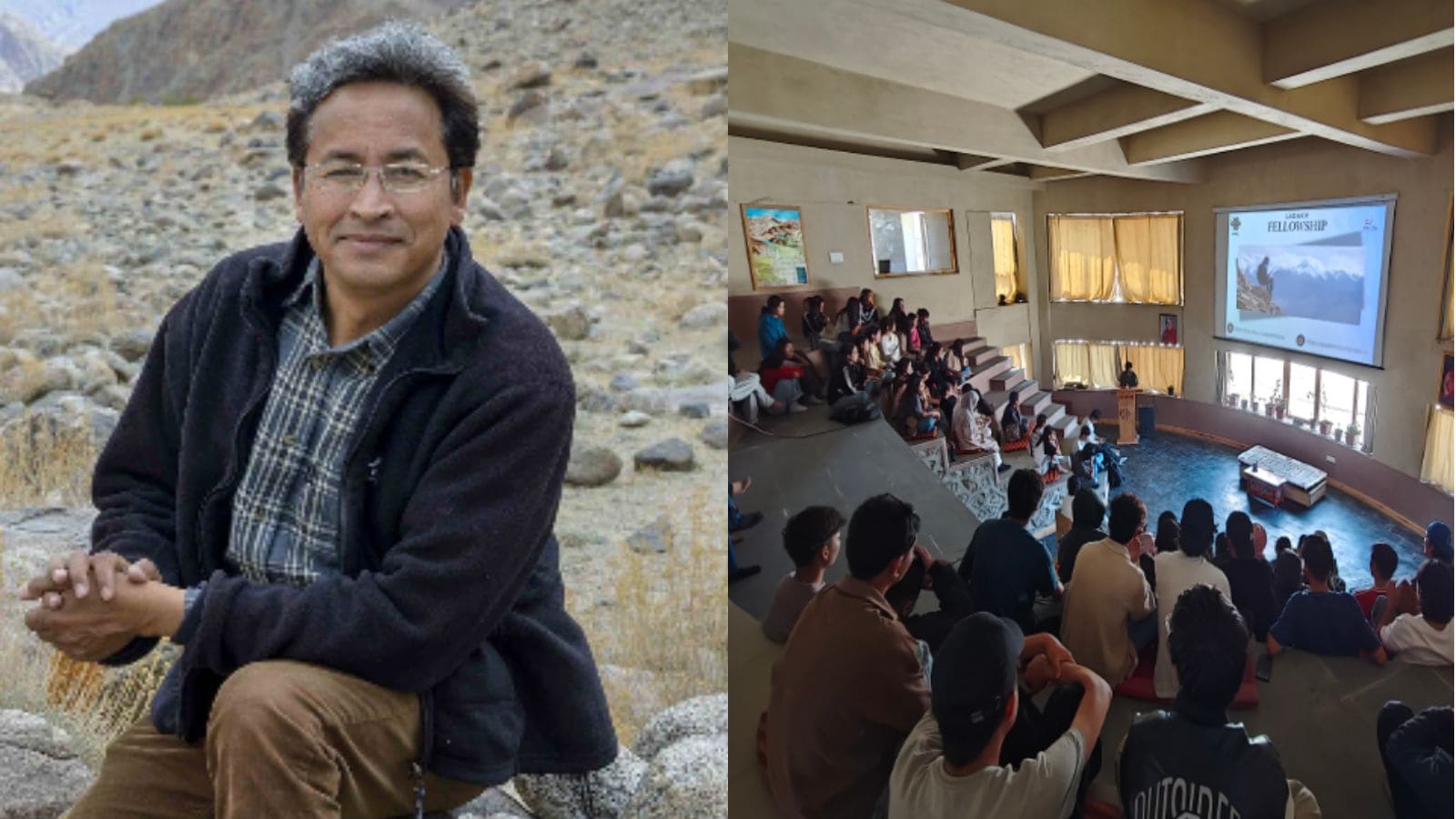
Himalayan Innovation and Alternative Learning Initiatives: Wangchuk has worked on broader Himalayan solutions involving sustainable technology, climate resilience, and hands-on education. His approach focuses on adapting technology to local needs rather than creating inventions only for commercial use. (Photo: hial.edu.in)
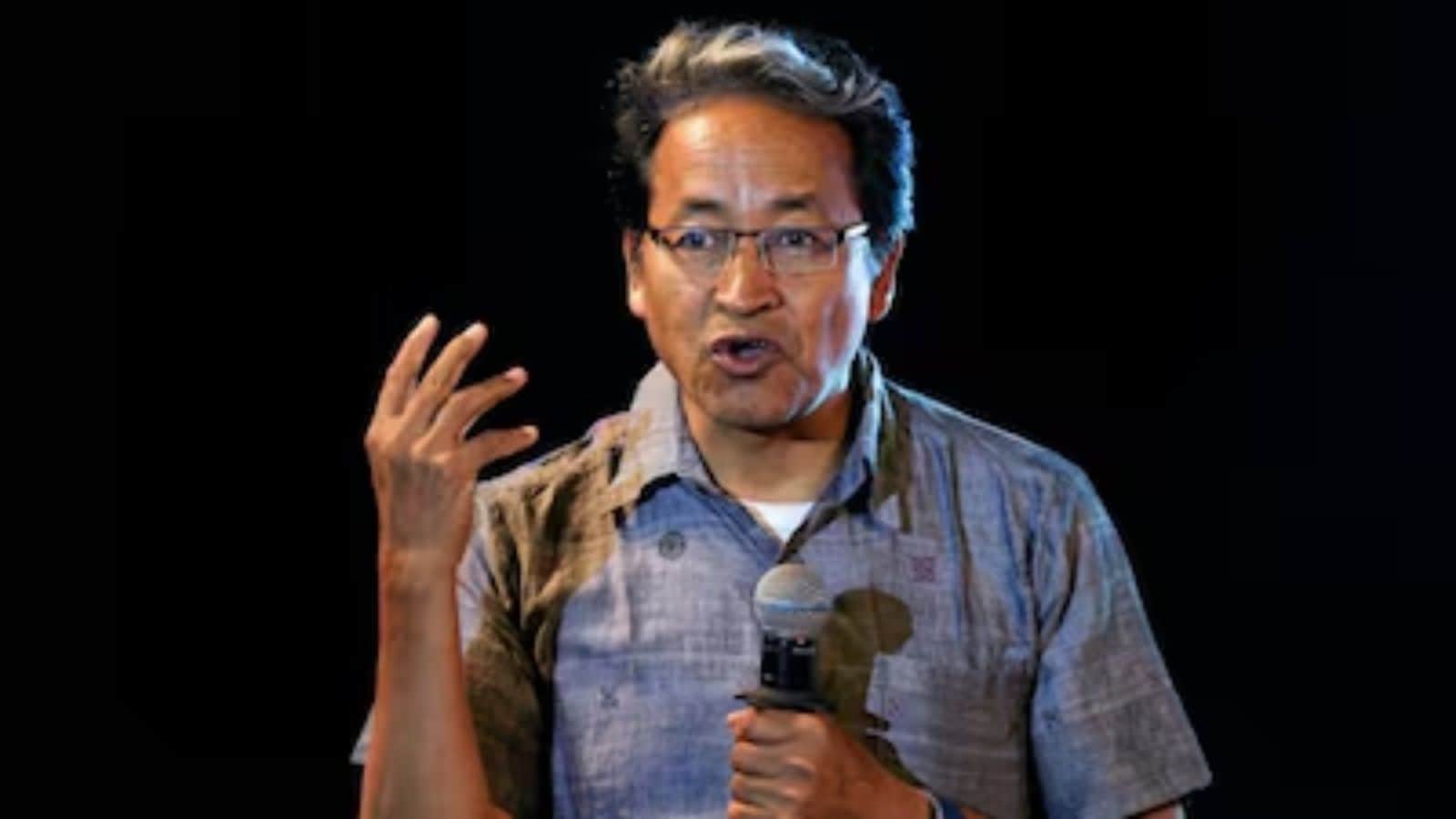
Passive Solar-Heated Buildings: Wangchuk and his team developed solar-heated buildings using local materials such as mud and earth. These structures are designed to remain warmer in Ladakh’s extreme winters while reducing dependence on conventional heating fuels. (File Photo)

Solar-Powered SECMOL Campus: The SECMOL campus functions as a living laboratory where students participate in building and operating renewable-energy systems. The campus uses solar energy and sustainable design principles instead of relying heavily on fossil fuels. Its famous solar-heated buildings stay warm even during harsh winters when temperatures can plunge well below freezing. The design significantly reduces dependence on fossil fuels while demonstrating how traditional knowledge and modern engineering can work together. (Image: Instagram/@gitanjalijangmo)