
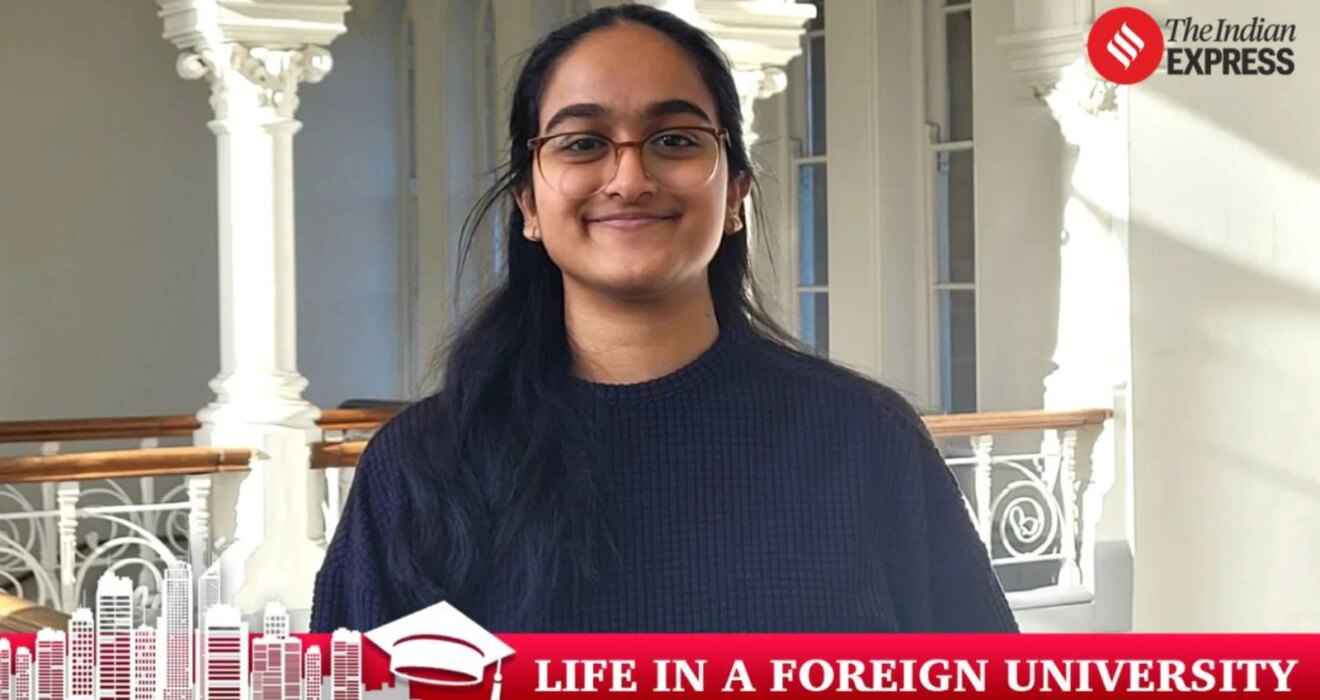
Life in a Foreign University
I decided to study at Nottingham Trent University (NTU) because my sister was already studying there, which made the transition feel far less intimidating. The Graduate Visa was also a major factor in my decision, as it seemed like a better option compared to opportunities available in other countries at the time. Although I had initially considered studying fine arts, I eventually chose architecture through a foundation year because I was still unsure whether this course was right for me.
I applied to universities in both India and the UK. I had also taken the National Aptitude Test in Architecture (NATA) exam to pursue architecture in India, but when I received an offer from Nottingham Trent International College (NTIC) for a foundation degree in art, design, and media, I decided to head to the UK instead. I used a counsellor from IDP Study Abroad, and while the admission process itself was relatively straightforward, the visa application was more stressful.
After studying for a year at NTIC (between 2022-23), I applied for a three-year degree programme. One of the main requirements for my application was a portfolio because I was applying for a creative and design-based course. Along with that, I had to submit my final school-year results, a personal statement, and certificates from internships and courses I had completed. When I was accepted at NTU, I automatically became eligible for a discount because I had studied at NTIC. The remaining fees were covered through a student loan.
I am 22 years old, and although I am from India, I grew up in Saudi Arabia. My parents moved there long before I was born and spent nearly 25 years there. My father worked as an electrical engineer and planner, while my mother was a homemaker who was also deeply involved in crafting, painting, and crocheting. She even organised craft classes.
Even though I spent my childhood in Saudi Arabia, I completed my Class 10 and 12 in Karnataka. Schooling was not easy for me because I was never academically inclined. I was always more interested in drawing, painting, and crafting. Moving to a boarding school in India, however, taught me independence. It helped me become more confident and taught me to ask for help when needed.
Later, when I changed schools for Classes 11 and 12, the Covid pandemic made things difficult again. Since everything shifted online, I could not make new friends or meet people properly. I lost much of the confidence I had built over the years. That was when my parents suggested that I apply to universities in the UK, believing the experience would help me regain my independence and confidence.
Story continues below this ad
Arriving in Nottingham
My first day in Nottingham felt overwhelming. I remember going grocery shopping with my sister and her friend and feeling completely out of place. The early sunsets and lack of sunlight affected me for weeks. But gradually, I settled in. I started meeting new people, forming friendships, and adapting to the culture around me.
Cooking turned out to be one of my biggest struggles. During my foundation year, food was more about survival than enjoyment. I also found it very difficult to stop converting pounds into rupees mentally every time I spent money. It took me a long time to stop comparing prices with India and simply adjust to life here.
After my foundation year at NTIC, I decided to continue at NTU for several reasons. Although the weather can be harsh, I still prefer it to the intense summer heat in India. I also enjoyed the independence that came with living in a new country, discovering cultures, and meeting people from different backgrounds.
Nottingham itself suited my personality. It is not too loud or too busy, and at the same time, it is student-friendly and calm. Since I had already moved around throughout my life, spending another few years in a new city did not feel frightening. Looking back, it turned out to be the right decision because I have fully enjoyed my four years here.
Story continues below this ad
Studying architecture in the UK
The academic environment at NTU feels very different from what I experienced in India. Here, there is much greater importance placed on mental health and students’ lives outside academics. At NTU, there is also a strong focus on employability and networking. Various events help students connect with industry professionals and alumni, and I appreciate how accessible that support system feels.
One major difference I noticed is how approachable lecturers are. Tutors can easily be contacted through email, but students are also encouraged to approach them in person. They understand that every student’s situation is different and often check in to make sure we are coping well.
The relationship between students and lecturers also feels more balanced compared to India. Here, lecturers try to understand students as individuals rather than just focusing on academic performance. Mental health and personal circumstances are taken seriously, and that makes me feel acknowledged and respected.
As an undergradutae architecture student, much of my learning happens outside of lectures. Around 60 per cent of my learning came through seminars, tutor discussions, and practical experiences in the beginning, and now, in my third year, it has increased to nearly 80 per cent.
Story continues below this ad
One classroom experience that stood out to me was when a digital file I needed for a submission got corrupted. I informed the course leader immediately, and the issue was resolved. That incident taught me the importance of finding solutions quickly instead of panicking.
Learning independence
My daily routine depends on my lecture schedule. I usually wake up around 6 or 7 am, have a quick cereal breakfast, and head to class. Most weeks, we have lectures three or four days a week, while the remaining time is dedicated to independent study. Studio Days are particularly important in architecture. These run from 9 am to 5 pm, where we present our work and discuss ideas with tutors. I enjoy those days because I get to spend a lot of time with my coursemates.
Outside academics, I have always enjoyed crafting, dancing, and singing. Last summer, I learnt crochet from my mother and later joined the crochet and knit society at NTU. Eventually, I became the Social Secretary of the society after contesting committee elections.
University work occupies most of my time, so I usually meet my friends on campus while studying together. But Nottingham also has many cafes and restaurants, and student discounts make going out a little more affordable.
Story continues below this ad
To manage expenses, I have taken up several part-time jobs through the university. I have worked as a student mentor, classroom assistant, and social media content creator. I also worked as a research assistant during the summer. These jobs helped me supplement my finances while also teaching me responsibility.
Finding identity and belonging
Studying abroad changed the way I see myself. Although I had lived in different countries before, this experience was different because it forced me to become completely independent. I learnt to trust my own decisions and to ask for help when necessary.
At NTU, one of the things I appreciate most is that people are not judged for being themselves. Students are encouraged to explore their own identities without pressure. I am still figuring out who I am and where I belong, but I have never felt questioned for not having all the answers yet.
When people ask me whether I feel more connected to India, Saudi Arabia, or the UK, I honestly do not know how to answer. My relationship with each country has changed over time. Saudi Arabia shaped my childhood and teenage years, while India and the UK are shaping my adulthood. I feel each place has contributed differently to my growth.
Story continues below this ad
Similarly, my definition of home has evolved. Today, home means being around the people I love. Sometimes, that feeling comes unexpectedly, even while waiting at an airport for a flight. I think home is wherever my parents, siblings, and friends are.
This winter, after spending the holidays with my parents, I felt deeply homesick while returning to the UK. I realised my parents are getting older, and leaving them behind has become more emotionally difficult with time.
Life beyond the classroom
I have always struggled with communication and approaching people. Even today, one-on-one conversations can feel difficult for me. But over the years, attending networking events and meeting people through university has helped me improve significantly.
Friendships in the UK also feel different because you meet people from all over the world. At times, I still feel slightly disconnected in India because I did not grow up there, and I sometimes worry that people may not fully acknowledge my Indian identity.
Story continues below this ad
There are also small everyday adjustments that become easier over time. Cooking was one of the hardest things for me initially, but after three years of experimenting – with many failed attempts along the way – I have definitely improved.
I miss my mother’s wangibath and my father’s fish fry the most. In Nottingham, there are two Indian grocery stores where I can find essentials, though I still carry spices from home because some things are impossible to replace. One of my comfort places in the city is a milkshake shop called Cookie Shake, where I love ordering an Oreo milkshake.
British food habits still surprise me sometimes. I enjoy desserts like Eton Mess, but I still cannot understand the appeal of beans on toast.
Looking ahead
When I think about the future, I hope to apply for graduate architectural positions or similar roles after my course ends. At the moment, I do not see myself returning to India permanently because I have not spent enough time living there. I also find it difficult to thrive in environments where people are expected to be outspoken all the time.
Story continues below this ad
The environment in the UK has slowly grown on me, and I hope I will be able to build a career and life here. Studying in the UK gave me opportunities, exposure, and appreciation that I personally do not think I would have received in India.
One thing people often romanticise about studying abroad is the idea that everything falls into place naturally. In reality, there are practical worries all the time – fluctuating currency rates, loans, routines, loneliness, and the challenge of building a life from scratch. I still remember waking up the day after arriving in the UK and realising that I had to create a completely new routine, make a new place feel like home, and find people who would eventually become home too.
(This letter is part of a series by The Indian Express where we bring to you the experiences of students at different foreign universities. From scholarships and loans to food and cultural experiences — students tell us how life is different in those countries and things they are learning other than academics)