
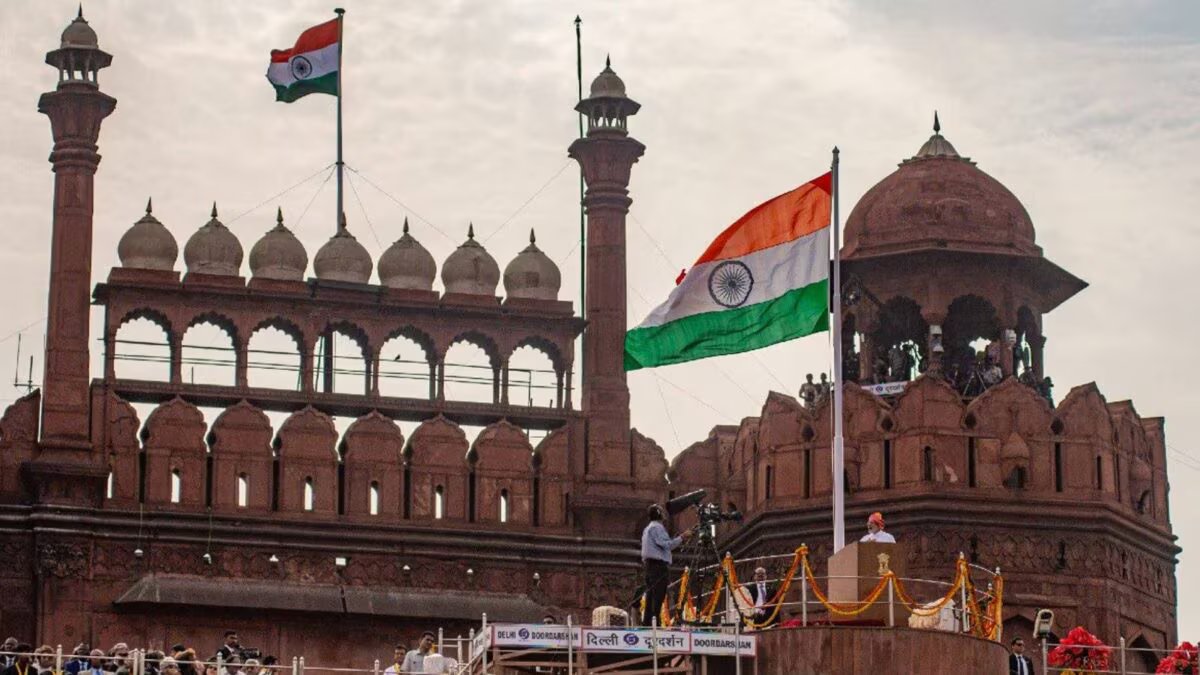
Independence Day 2026: Do You Know The Difference Between National Anthem And National Song?
Whenever Jana Gana Mana or Vande Mataram is played at a national celebration or government function, the feeling of patriotism comes naturally. However, the two compositions have different histories and are governed by different rules. Both hold an important place in India’s national identity, but there are some key differences between them. (Image: Instagram/@weareteamindia)
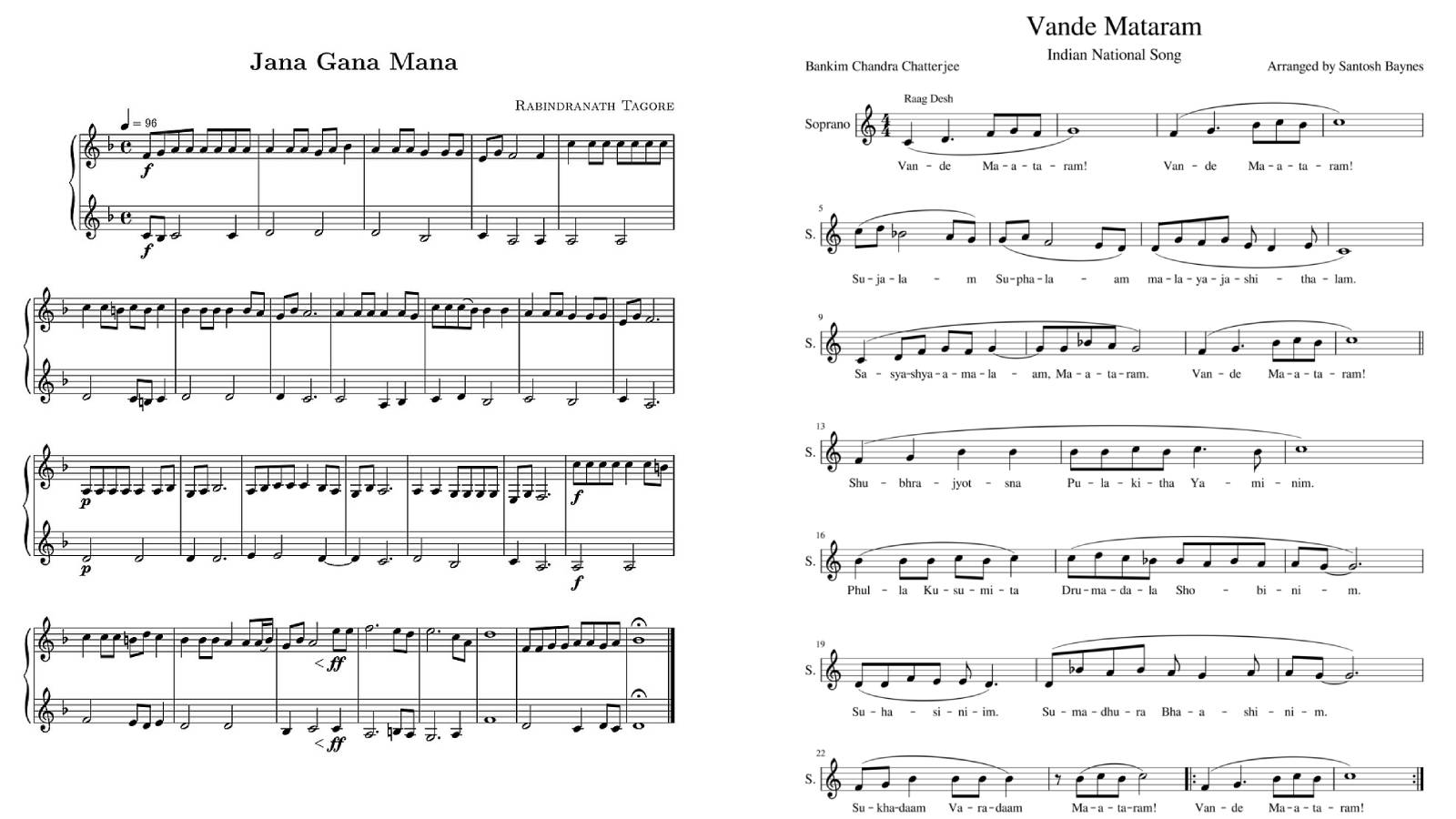
Jana Gana Mana is India’s National Anthem and an official constitutional symbol of the country. Vande Mataram is the National Song and is closely associated with India’s freedom movement and cultural consciousness. (Images: Wikimedia Commons)
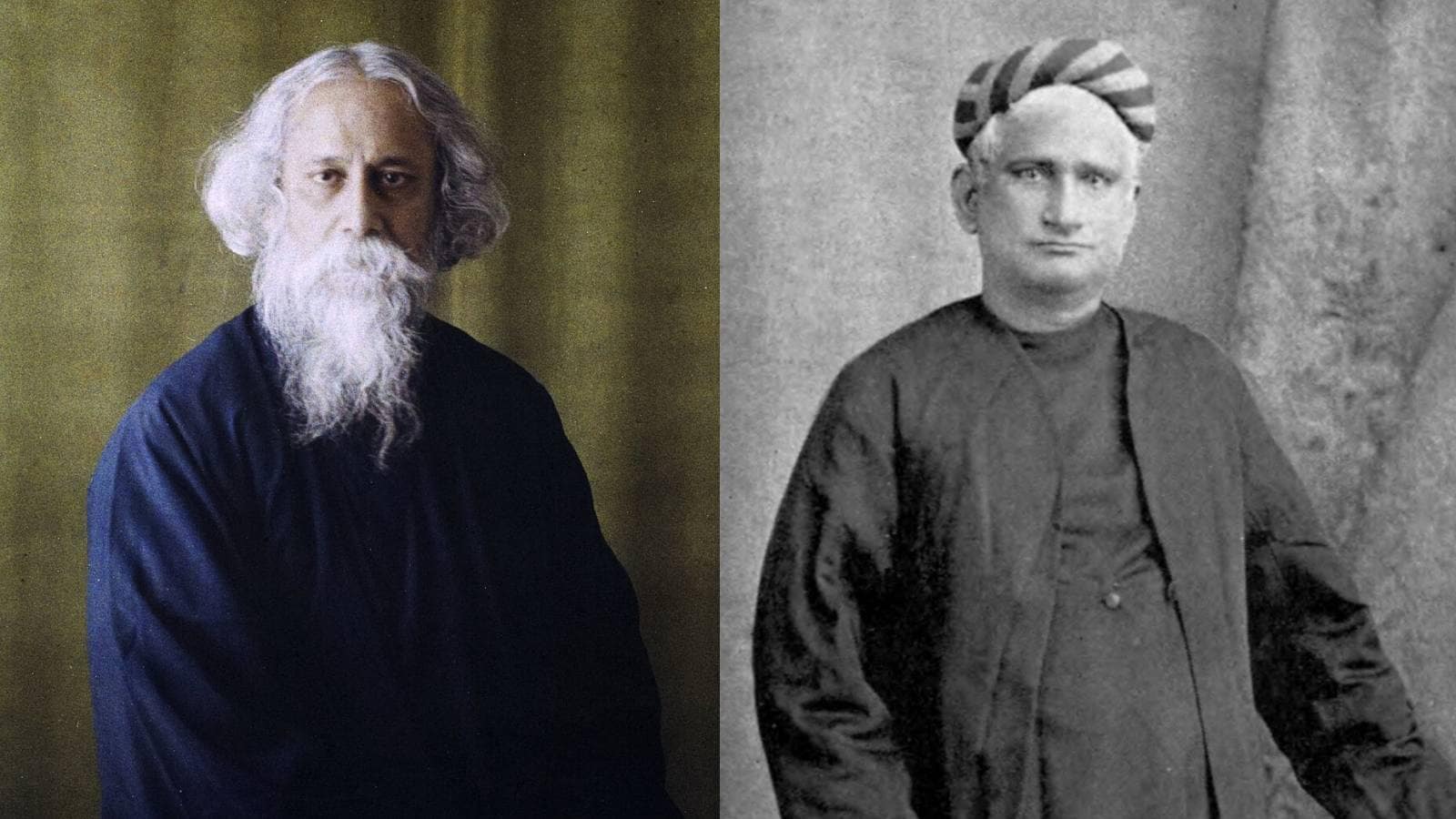
The National Anthem was composed by Rabindranath Tagore, while the National Song was written by Bankim Chandra Chatterjee. (Images: Wikimedia Commons)
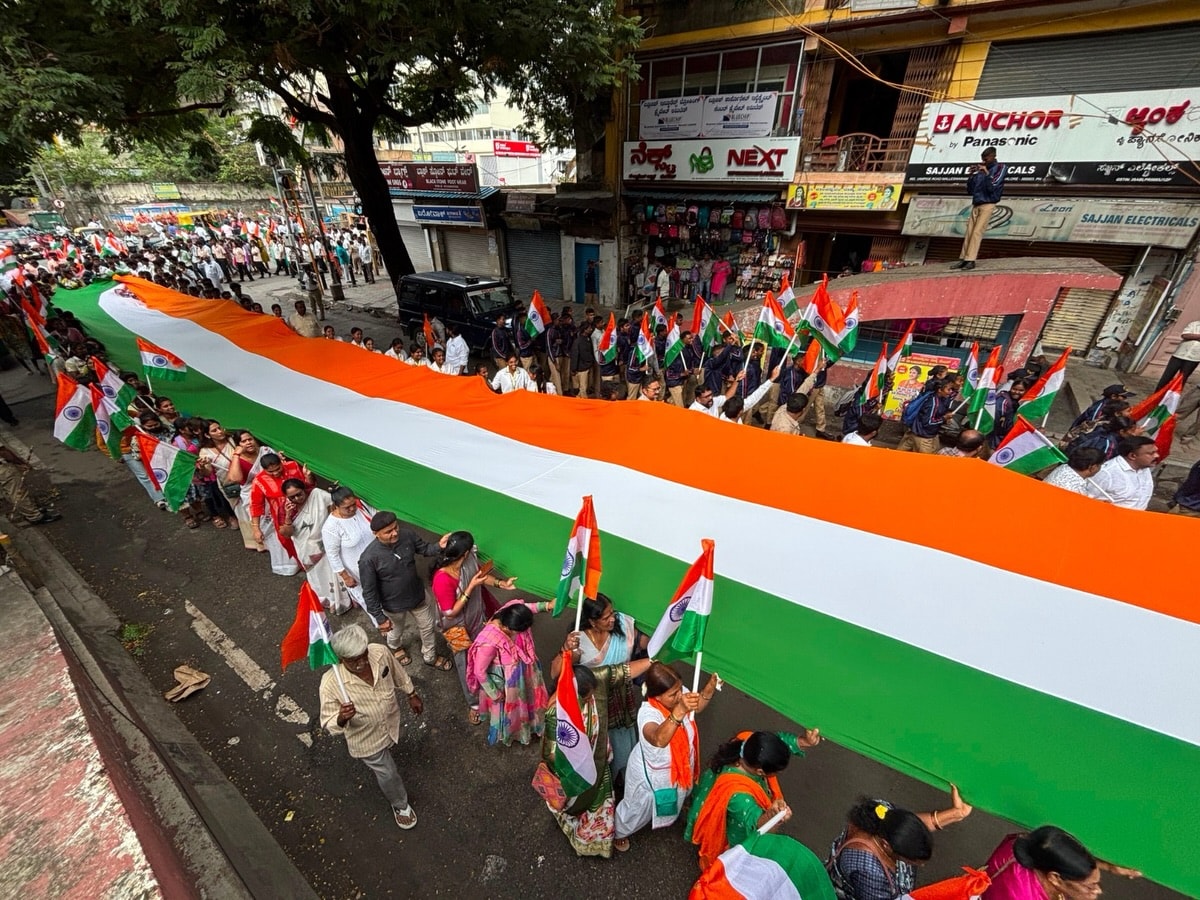
Jana Gana Mana was first sung at the Kolkata session of the Indian National Congress in 1911. Vande Mataram was first sung at the 1896 session of the Indian National Congress and later became an important patriotic song during the freedom struggle. (Image: Instagram/@ministryofculturegoi)
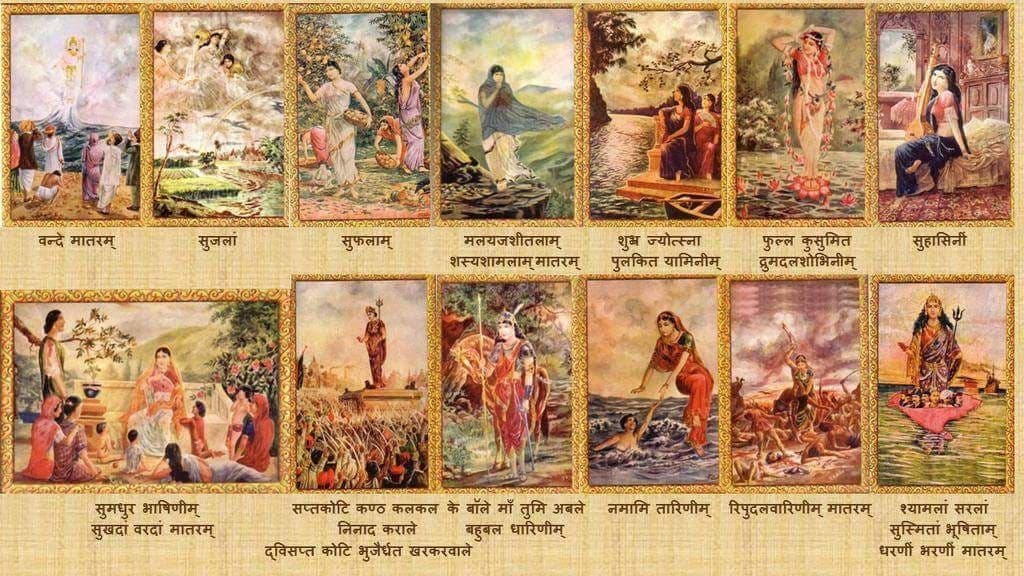
The Constituent Assembly officially adopted Jana Gana Mana as India’s National Anthem on January 24, 1950. Vande Mataram was accorded the status of National Song around the same period and holds a special place alongside the National Anthem. (Image: Wikimedia Commons)

The complete version of Jana Gana Mana takes about 52 seconds to sing. The anthem is also governed by protocols regarding its performance at official occasions. When the National Anthem is played or sung, people are expected to stand to attention as a mark of respect. There are also legal provisions under the Prevention of Insults to National Honour Act, 1971, relating to preventing or intentionally insulting the National Anthem. (File photo)

Vande Mataram does not have the same fixed singing time or specific performance protocol as the National Anthem. Standing when Vande Mataram is performed is associated with showing respect, but the source notes that failing to stand does not carry the same legal consequences as disrespecting or obstructing the National Anthem. (Image: Instagram/@ministryofculturegoi)

For nearly eight decades, the sound that has traditionally framed India’s Independence Day ceremony at the Red Fort has been Jana Gana Mana. This year, however, the sequence will change for the first time. On August 15, 2026, as India marks its 80th Independence Day, Vande Mataram will be sung before the national anthem and before Prime Minister Narendra Modi’s address from the ramparts of the Red Fort. (File photo)