

From LPU To IIT Bombay: How Protests And Campus Rumours Are Disrupting Exams Across Indian Universities
What begins as a student grievance can quickly move beyond the classroom. In recent years, protests over campus safety, administrative decisions, governance disputes, student welfare and alleged institutional failures have, at several Indian universities, disrupted academic schedules, with examinations postponed, boycotted or cancelled altogether.
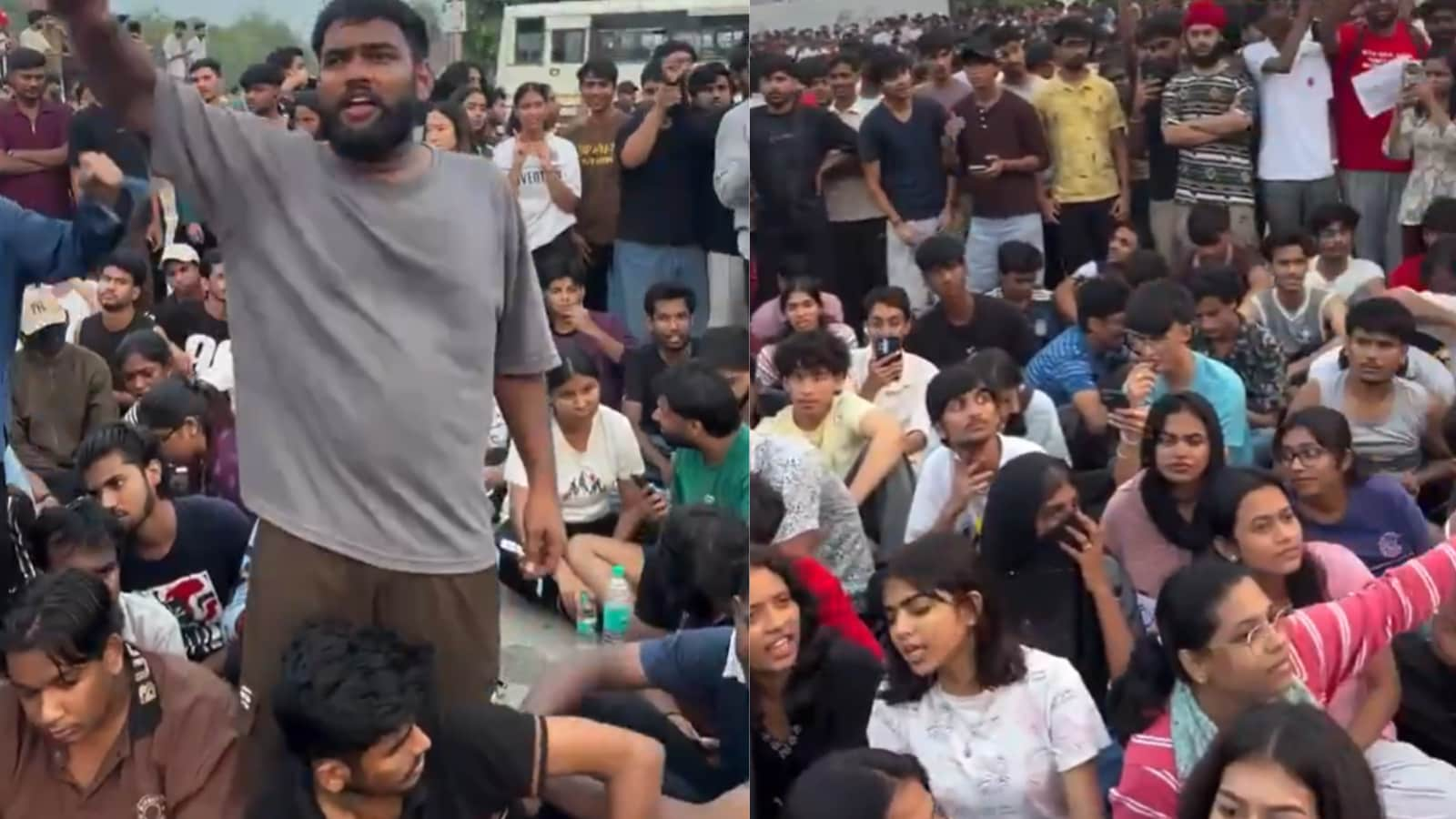
The latest flashpoint is Lovely Professional University (LPU) in Punjab, where violent protests following unverified claims about a student led the university to suspend regular classes for 10 days from September 28, 2026, while mid-term examinations were postponed until further notice. The episode has also highlighted another increasingly powerful factor in campus unrest: the speed at which unverified information can spread through social media and student messaging groups. But LPU is not an isolated case. From IIT Bombay and Panjab University to Tezpur University and Manipur University, campus agitations have previously spilled into the academic calendar, forcing authorities to alter examination plans or students to announce boycotts.

The situation at LPU escalated after social media posts circulated allegations concerning the alleged rape and death of a female student. Police and university authorities disputed the claims, but protests intensified, with students damaging property, setting parts of buildings on fire and blocking the Delhi-Amritsar National Highway. The university subsequently suspended regular classes for 10 days and postponed its mid-term examinations until further notice.
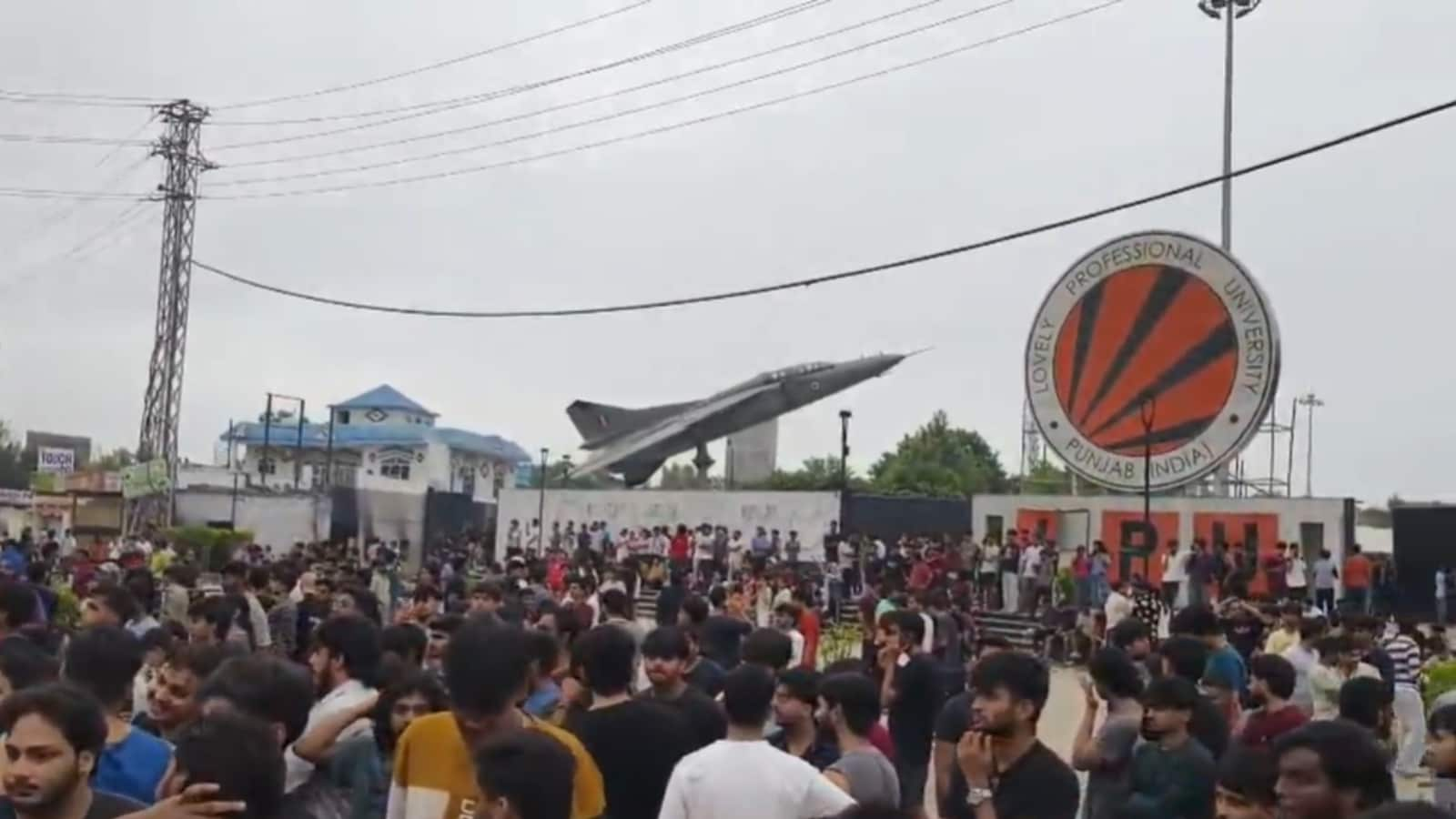
Students were also advised to remain in their hostels or places of residence if they chose to stay on campus and avoid unnecessary movement during the period of unrest. The scale of the security response was substantial, with more than 2,000 police personnel deployed around the campus as authorities attempted to restore order. The episode is particularly significant because the information that helped trigger the mobilisation spread rapidly online before authorities had established the facts.
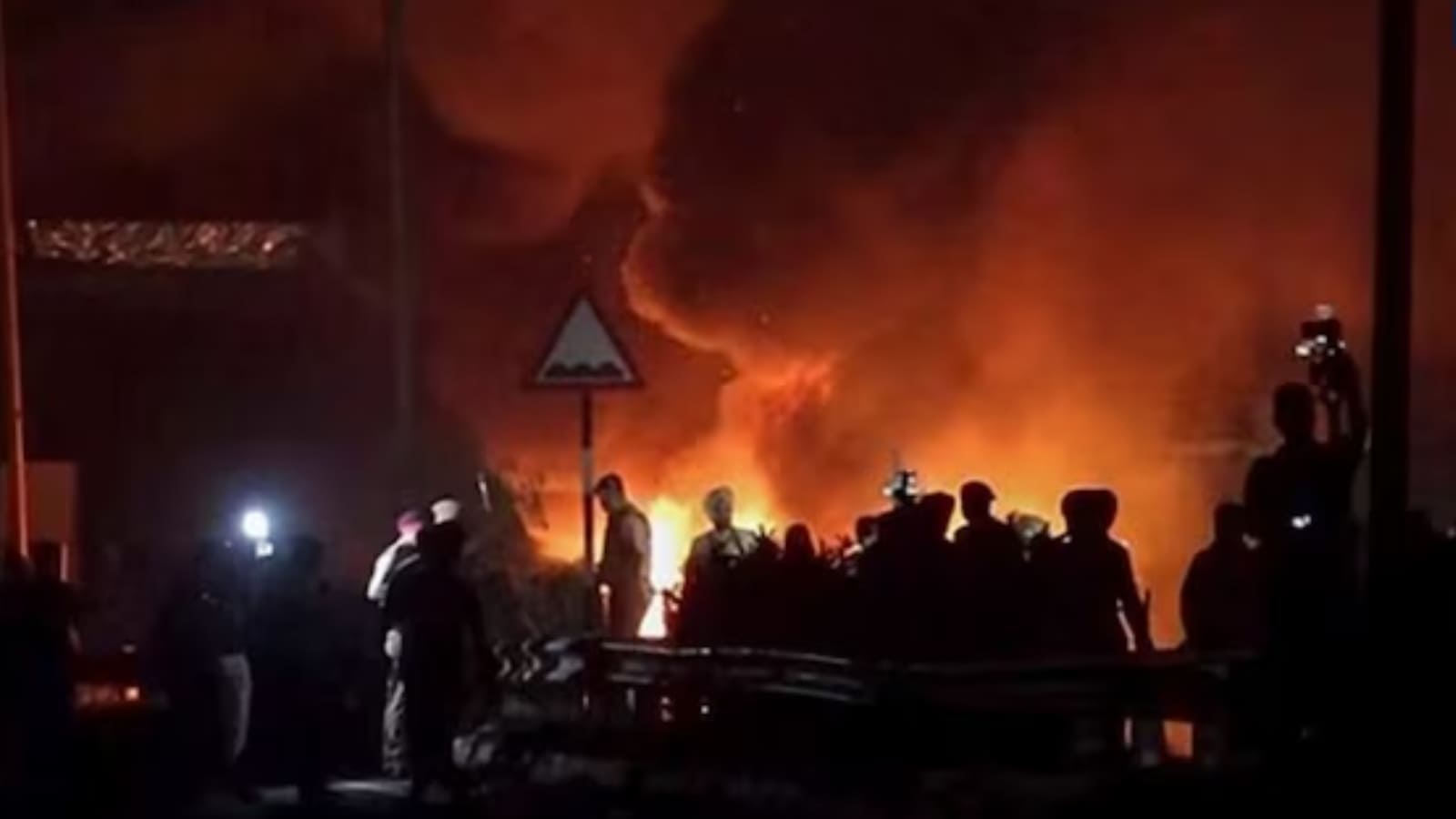
Just a day before the LPU unrest, another Punjab university faced a similar social-media-driven episode. At Chitkara University in Rajpura, unverified claims circulated among students alleging that two female students had gone missing or died in the hostel. Posts and videos spread through student WhatsApp and social-media groups, with some messages alleging that the university was attempting to conceal what had happened. Hundreds of students gathered late on September 25, demanding answers. The situation escalated into clashes with police, damage to campus property and vandalism of police vehicles. Police, medical authorities and the university subsequently said that the claims of deaths were false. Investigators also looked into how the rumours had originated and spread.

At the Indian Institute of Technology Bombay, a different kind of crisis disrupted examinations. A second-year student, Sahil Wakode, died by suicide on September 18, 2026, after he had been found using a mobile phone during a mid-semester examination. The institute said he had uploaded the examination question paper to ChatGPT to seek answers. His family subsequently raised allegations of caste-based discrimination and harassment, while a police investigation was initiated. These allegations remain part of an ongoing investigation rather than established findings. The death triggered protests involving hundreds of students and demands for institutional accountability and changes to student welfare and grievance mechanisms. Against this backdrop, IIT Bombay postponed its mid-semester examinations scheduled for September 26 and 27 to October 10 and 11.
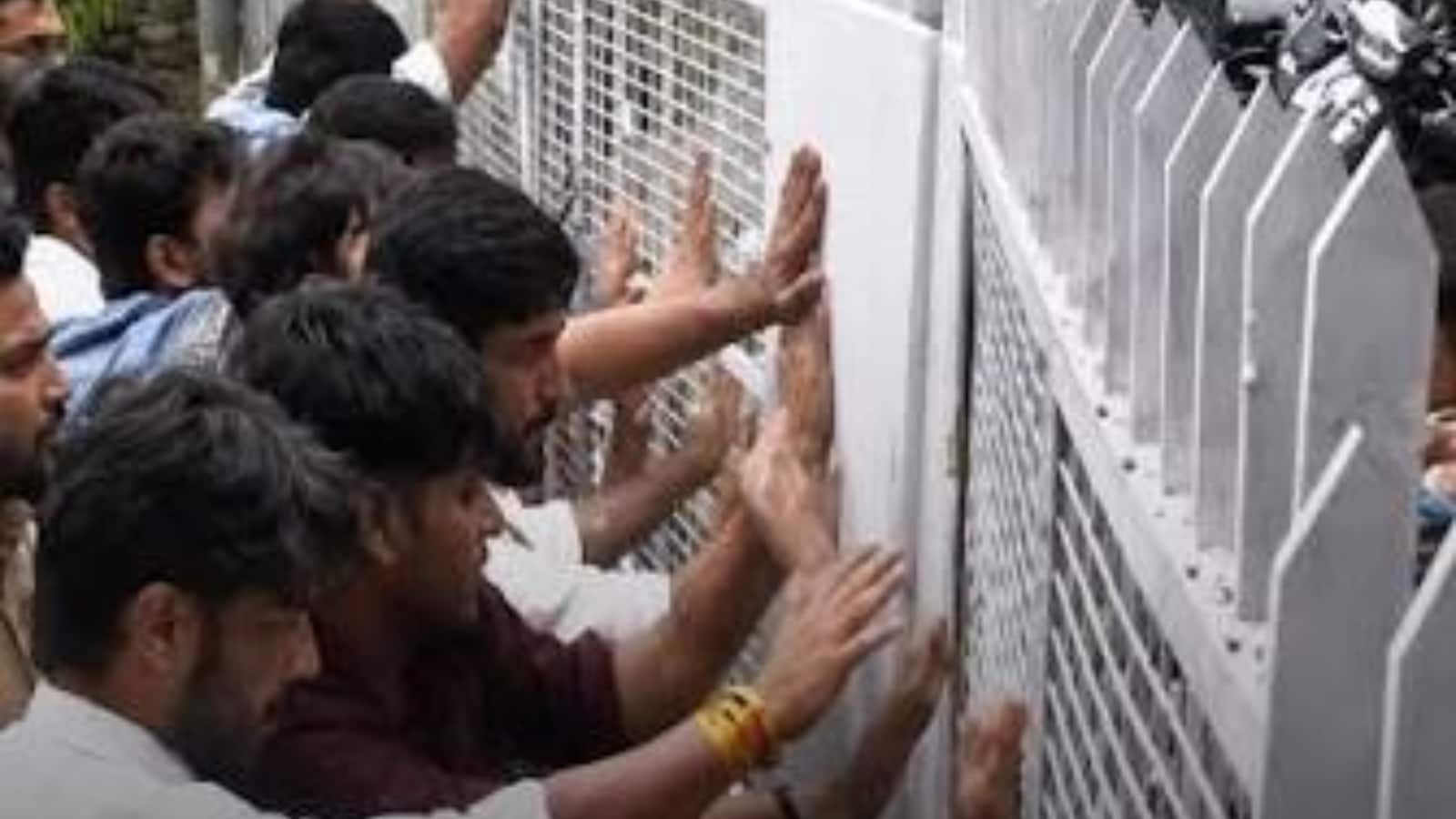
At Panjab University, the issue was governance rather than campus safety. Students had been protesting over the long-delayed Senate elections and announced that they would boycott examinations unless a schedule for the polls was announced. The university subsequently postponed all examinations scheduled from November 18 to 20, 2025, with revised dates to be communicated later. The decision followed the students’ boycott call and threats to prevent examinations from taking place. The agitation continued for nearly a month, involving sit-ins, campus marches and repeated threats of examination boycotts before the protest was eventually called off following written assurances from the university.

In Assam, Tezpur University experienced an even longer academic disruption in late 2025. Students, teachers and non-teaching employees had been protesting against Vice-Chancellor Shambhu Nath Singh, with protesters raising allegations concerning financial and academic irregularities and demanding his removal. The administration faced an increasingly prolonged standoff, with academic and administrative activities eventually shut down. The university’s end-semester examinations were initially scheduled to begin on December 3, 2025, but the escalating agitation led to their postponement. Students subsequently announced a boycott of examinations scheduled for December 8 and 9 while pressing their demands. The university then postponed those examinations again, citing concerns about student stress and anxiety amid the continuing unrest. The situation later changed, with students agreeing to sit for the examinations after the acting Vice-Chancellor appealed to them, even as the wider shutdown and protest continued.
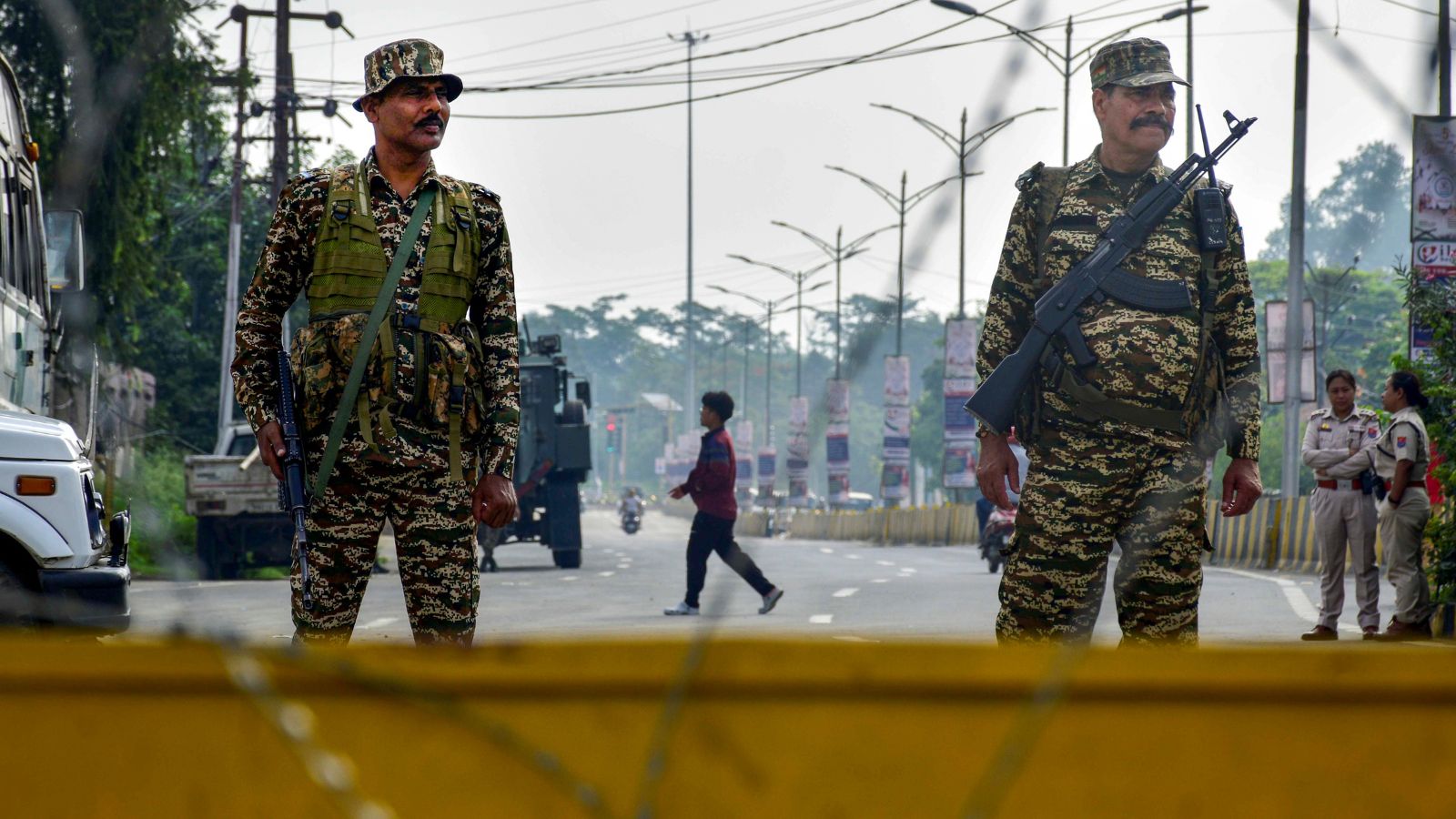
Another stark example came from Manipur University in September 2024, when student unrest escalated amid clashes with security forces. Following the confrontation, the university postponed all undergraduate and postgraduate examinations until further orders. The wider situation in Manipur included curfew restrictions and an internet suspension, underlining how a campus crisis can become inseparable from the security environment outside the university gates.

Not every examination disruption involves violence or allegations of misconduct. At Delhi University, law students protested in December 2024 over incomplete syllabus coverage, faculty changes, course-allotment delays and sudden syllabus updates. The university subsequently postponed the upcoming law examinations and said a revised schedule would be issued after consultations.

At the University of Mysore, students protested in October 2024 over examination postponement demands, fee increases and inadequate teaching. Students argued that the absence of guest faculty had resulted in incomplete syllabus coverage and that examinations should not be held before the coursework was completed.
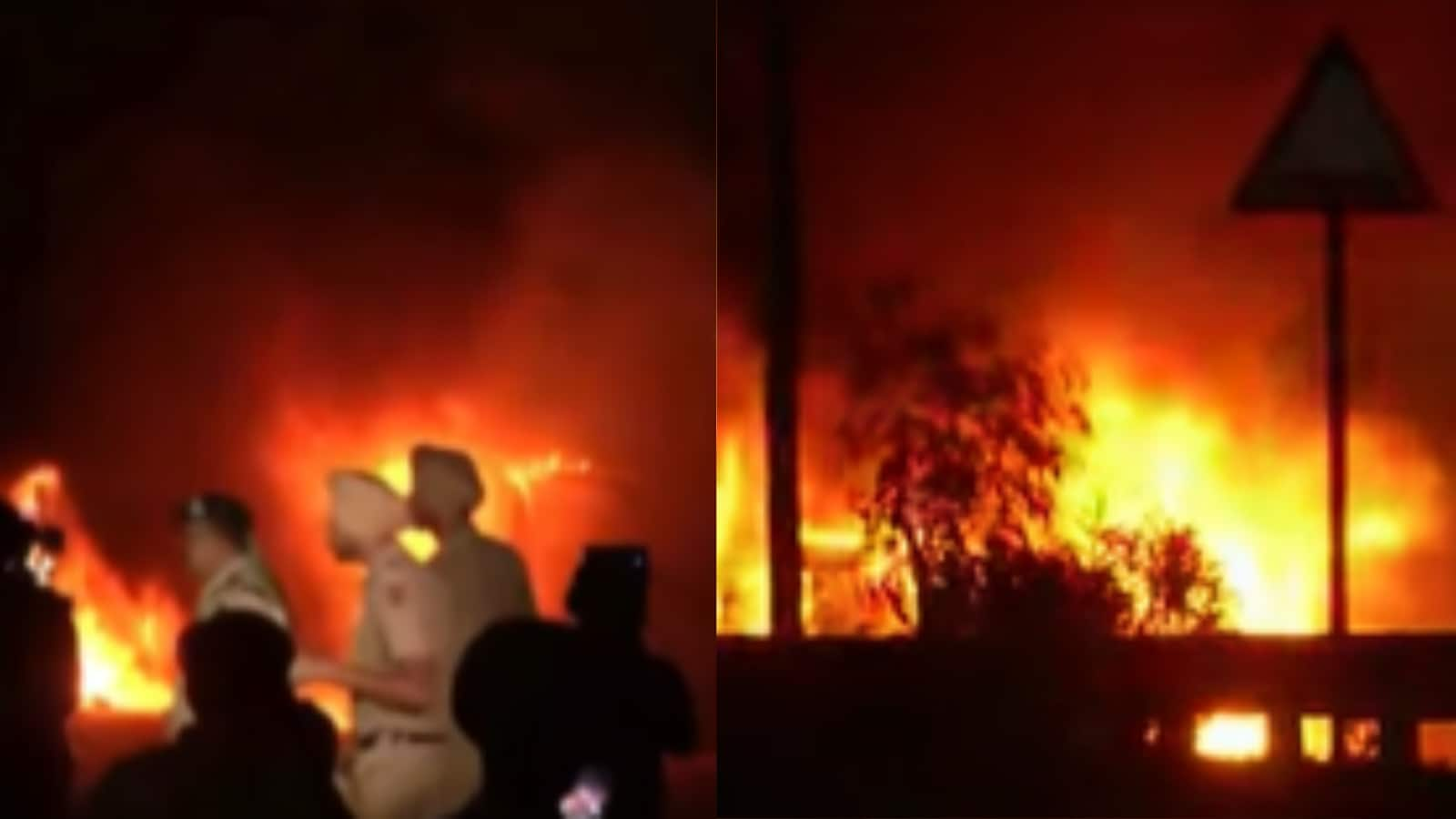
The most striking development in the latest Punjab incidents is the role played by social media. At Chitkara University, unverified messages and videos moved through student WhatsApp and social-media groups, with rumours evolving from claims about an alumnus and a hostel to allegations that female students were missing or had died. Police and university authorities later said the claims were false. At LPU, similarly, unverified claims concerning an alleged rape and suicide circulated online before large-scale protests erupted. The resulting unrest eventually involved property damage, arson and a highway blockade. The significance of these incidents lies not merely in the existence of rumours, but in the speed of transmission.

Traditional campus communication often moves through official notices, emails, faculty members and administrative channels. Social-media groups operate differently. A message can reach hundreds of students almost instantaneously, often accompanied by a photograph, short video, voice note or screenshot that may appear convincing even when its origin is unclear. That creates a difficult situation for universities. By the time an administration issues a clarification, an unverified claim may already have shaped student perceptions and triggered mobilisation.

Why Campus Rumours Can Escalate So Quickly? Residential campuses have tightly connected student networks, allowing unverified claims to spread rapidly, particularly when authorities do not immediately provide clear information. WhatsApp groups, Instagram posts, videos and screenshots can make rumours appear credible, while incidents involving student safety can heighten fear and emotional reactions. Once a claim gains traction, online discussions can quickly turn into offline gatherings or protests. The recent Chitkara University case illustrates this pattern, with unverified claims about missing students spreading on social media before hundreds of students gathered and clashes broke out; police and university officials later said there was no evidence supporting the claims.
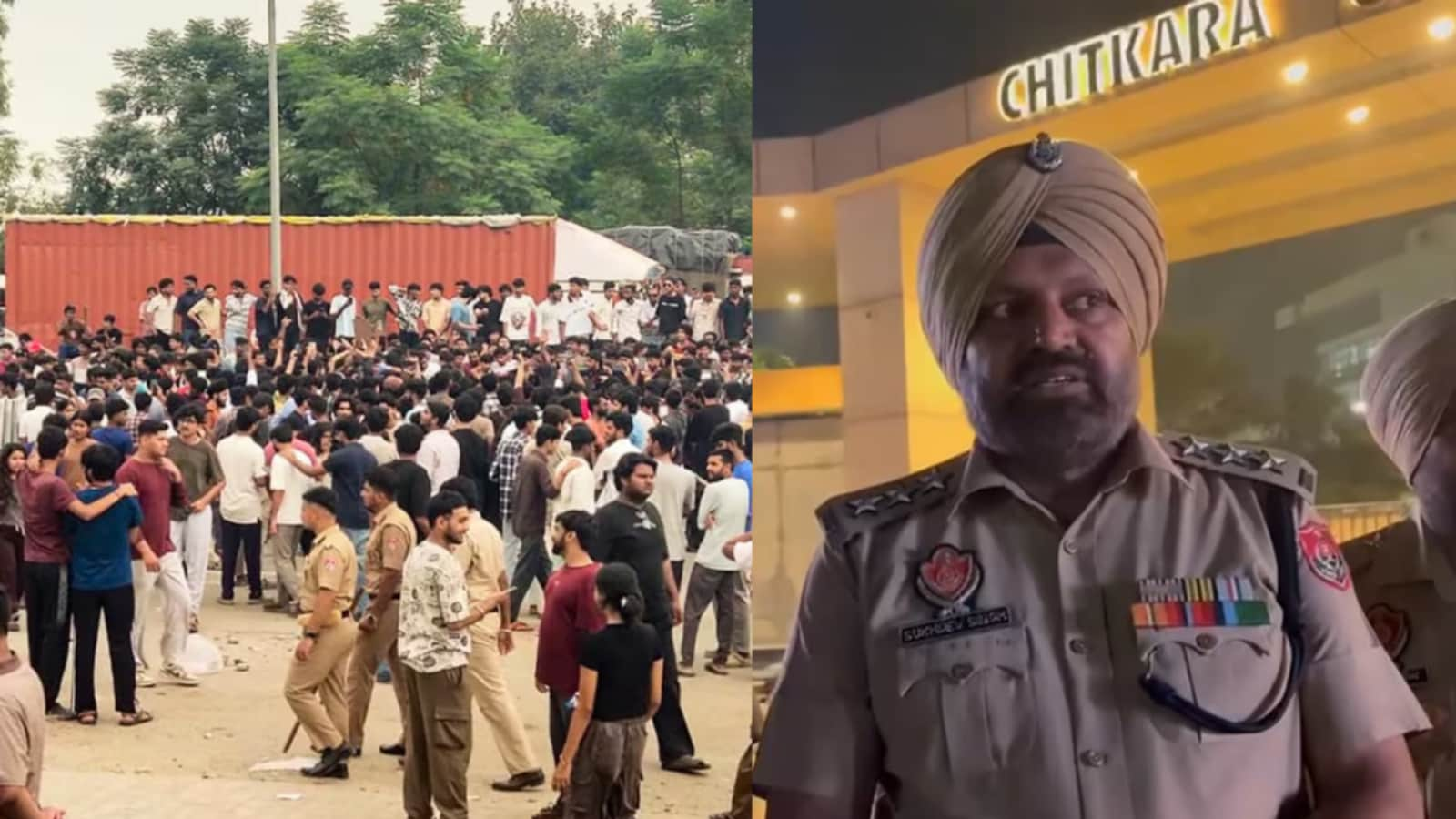
Can Universities Keep Pace With Viral Information? The latest incidents also raise a broader question about crisis communication on campuses. When a serious allegation emerges, students want immediate answers. Universities, however, may need time to verify facts, consult authorities and protect the privacy of those involved. That gap can become fertile ground for speculation. The recent Chitkara episode shows the potential consequences when an unverified claim gains traction before an official account is available. LPU demonstrates how quickly such online claims can develop into a large physical mobilisation.
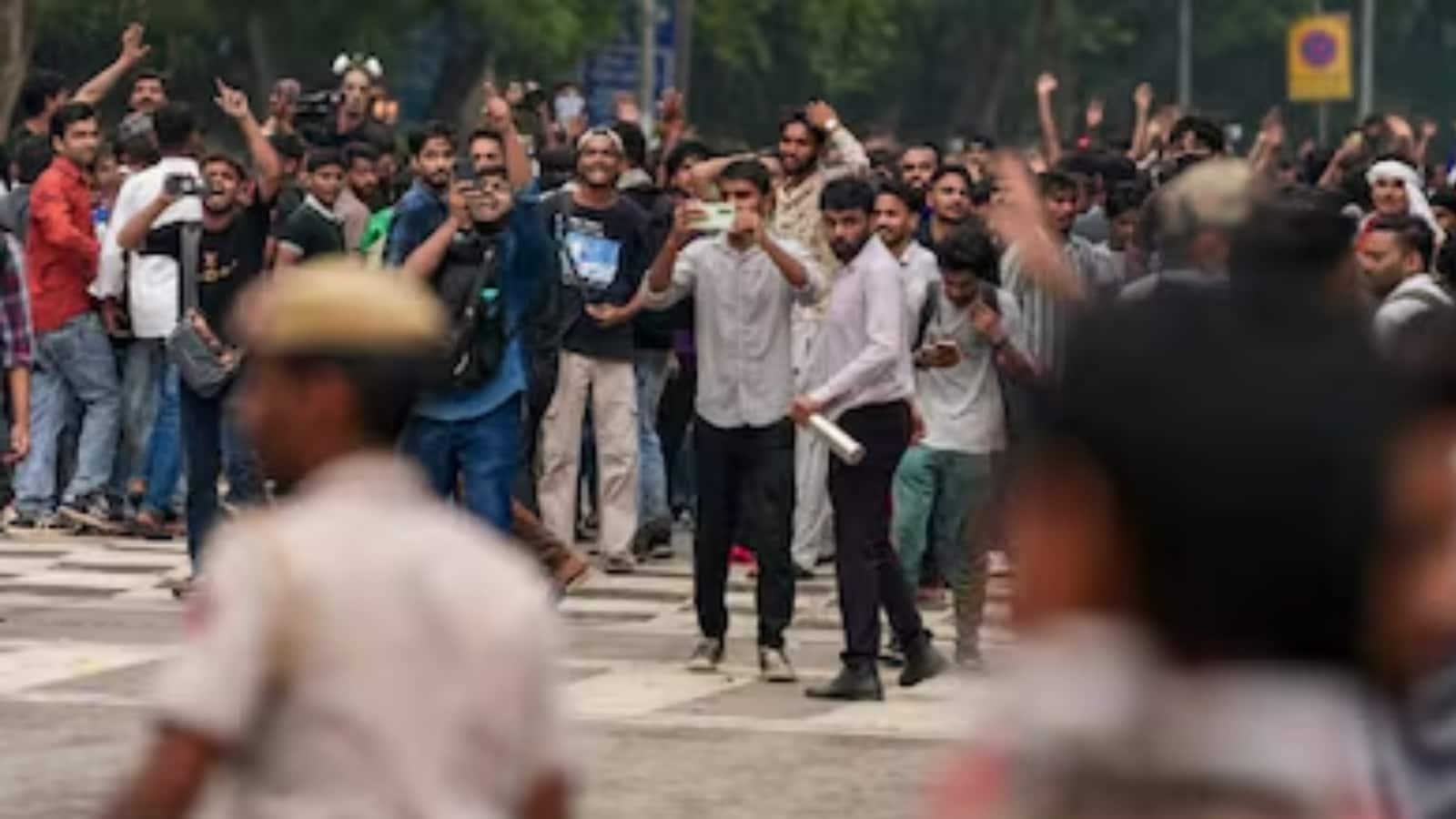
For universities, the challenge is therefore no longer limited to managing demonstrations after they begin. The first battle can occur online, in the minutes and hours before a crowd gathers on campus. And once an examination schedule is caught in that unrest, the disruption can extend far beyond the protest itself, affecting students, faculty, academic calendars and university administration.