
India’s ‘Officer Villages’: How 2 Small Villages Produced Hundreds Of IAS, IPS And Government Officers
The saying that “India lives in its villages” takes on a unique meaning in two small villages that have earned national recognition for producing an extraordinary number of civil servants. Madhopatti in Uttar Pradesh’s Jaunpur district and Naya Bas in Rajasthan’s Neem Ka Thana district are often referred to as India’s “officer villages” because of the large number of IAS, IPS and other government officers who trace their roots to these communities. While locals proudly describe them as ‘factories of officers’, their success is largely credited to generations of emphasis on education, disciplined preparation and a strong culture of competitive examinations.
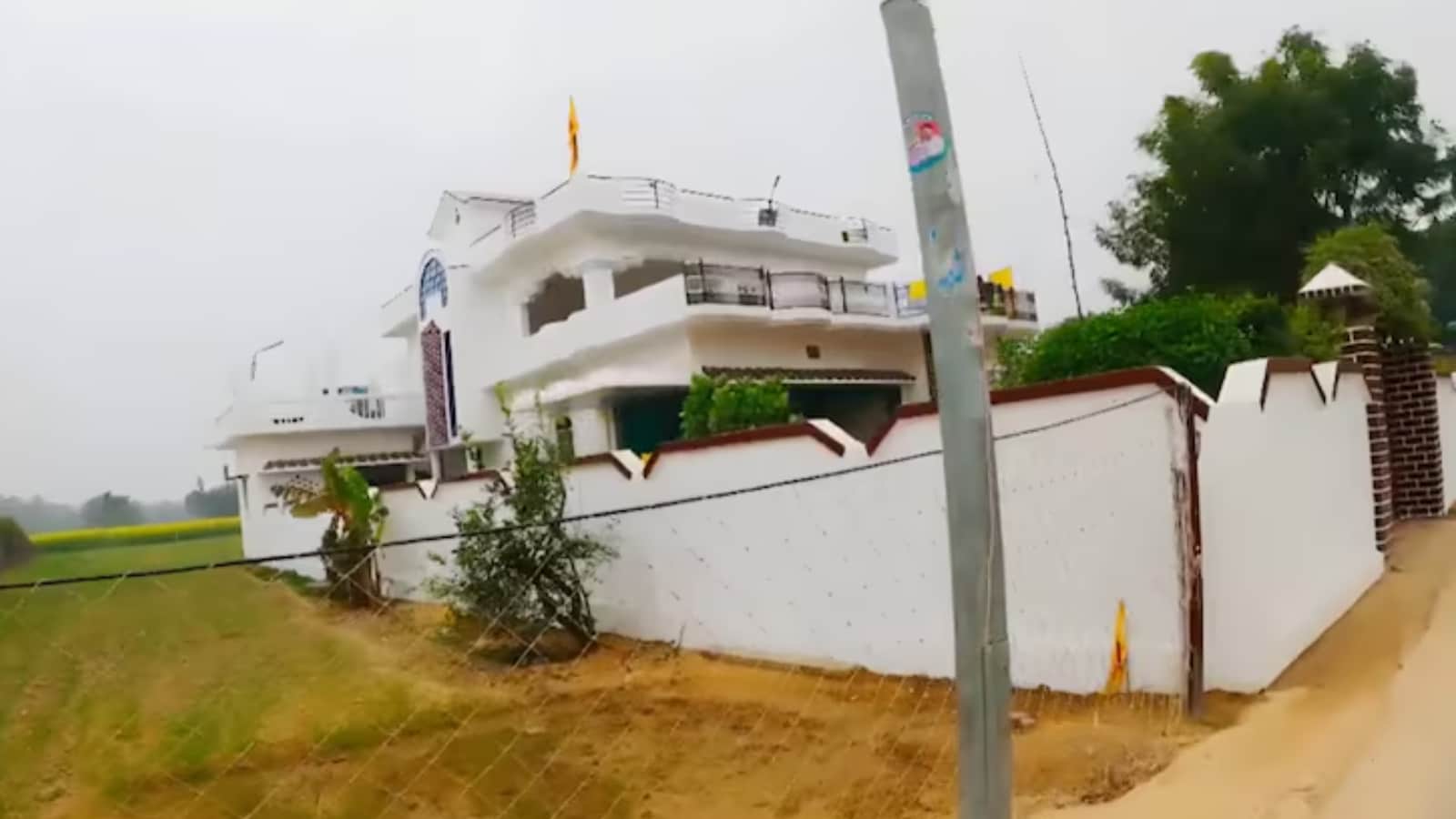
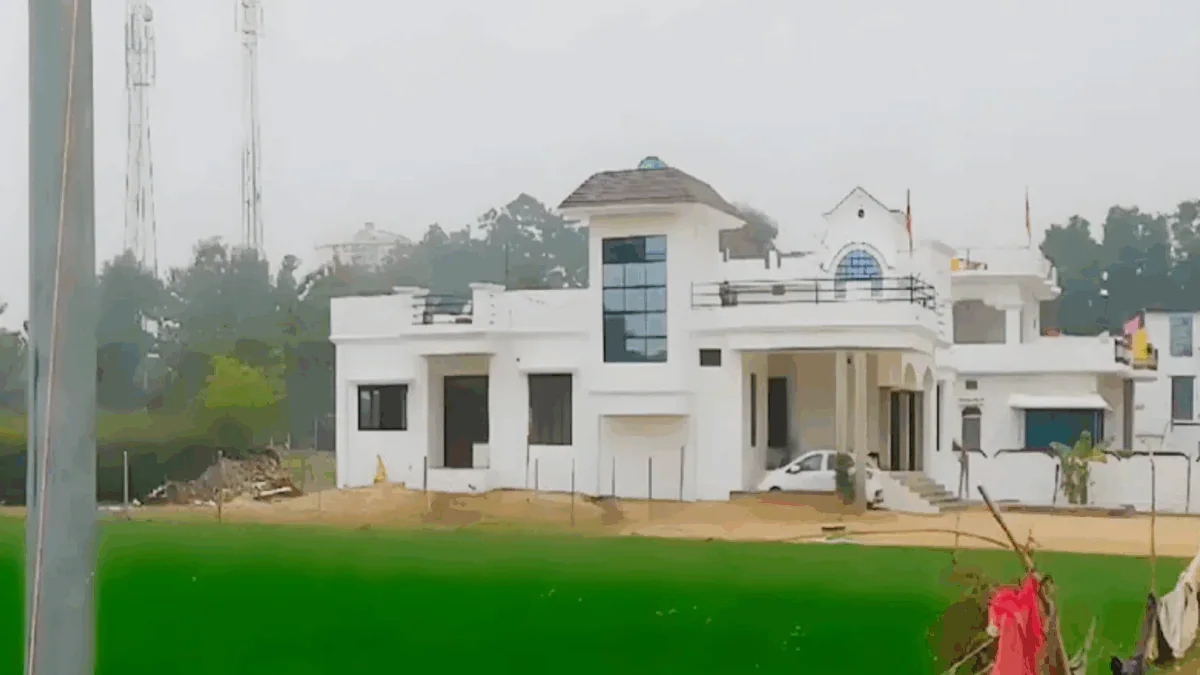
Located around six kilometres from the Jaunpur district headquarters, Madhopatti is home to just 75-80 families and a population of about 4,000. Despite its modest size, the village has produced an exceptional number of civil servants. According to local accounts, around 47 IAS and IPS officers have hailed from the village over the years, alongside numerous PCS officers. The village’s first IAS officer was Vinay Kumar, followed by Dr Indu Prakash, inspiring generations of young aspirants. Residents say nearly every child grows up aspiring to become a District Magistrate or Superintendent of Police, with competitive examinations becoming a natural career goal from an early age.
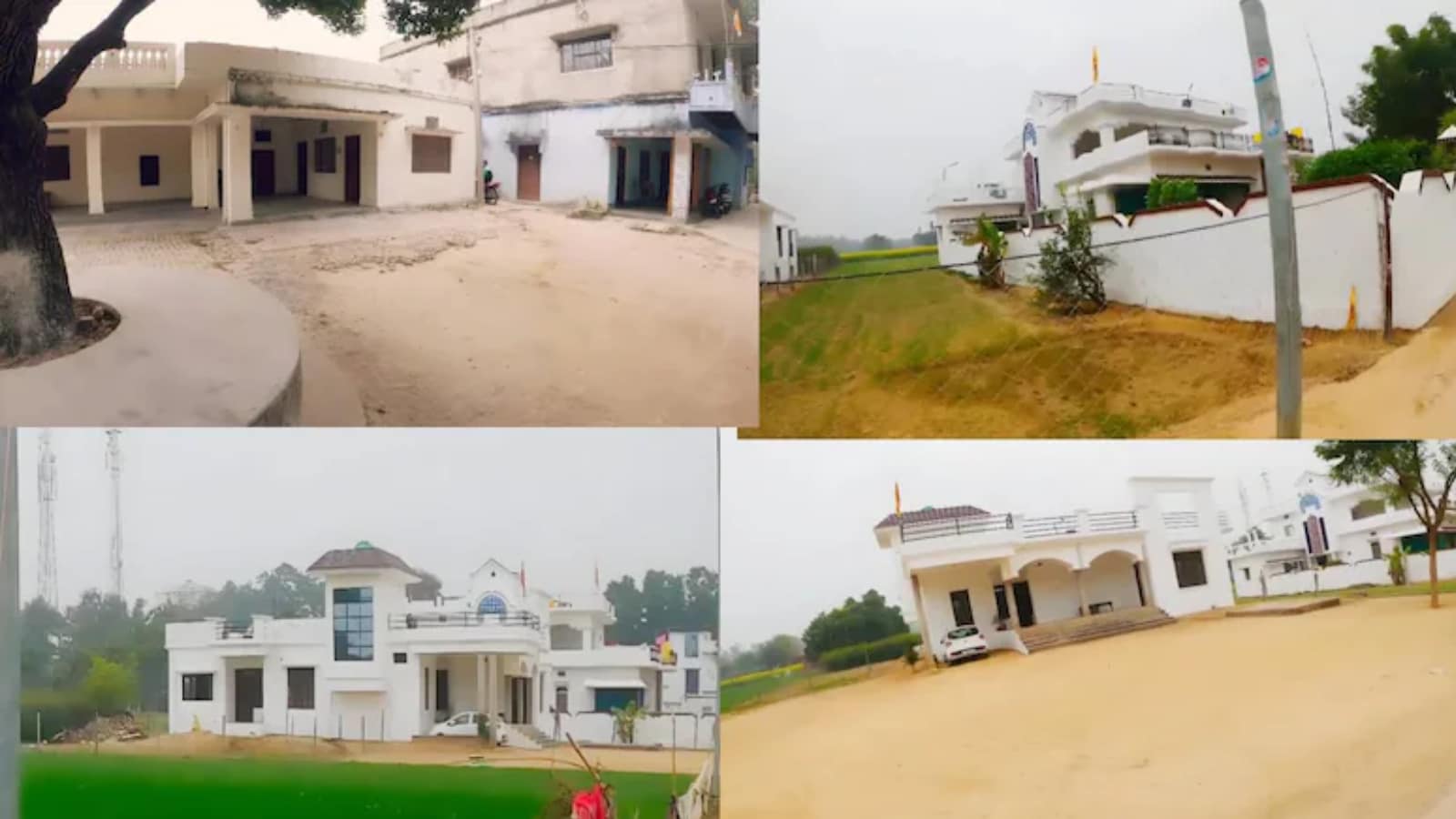
Perhaps the most remarkable story from Madhopatti is that of the family of Dr Sajal Kumar Singh, which is widely known for producing 11 IAS officers across generations. Four brothers from the family entered the IAS, while other relatives, including descendants of Thakur Bhagwati Singh and Jai Narayan Singh, also joined the civil services. According to villagers, the family currently includes three IAS officers and six PCS officers, making it one of the most accomplished civil service families in the country. Chandradeep Singh, a member of the family, said his father, Thakur Jai Narayan Singh, and other elders ensured every child received quality education. “Eleven members of our family became IAS officers. Most of them prepared for the civil services in Allahabad (now Prayagraj),” he said.
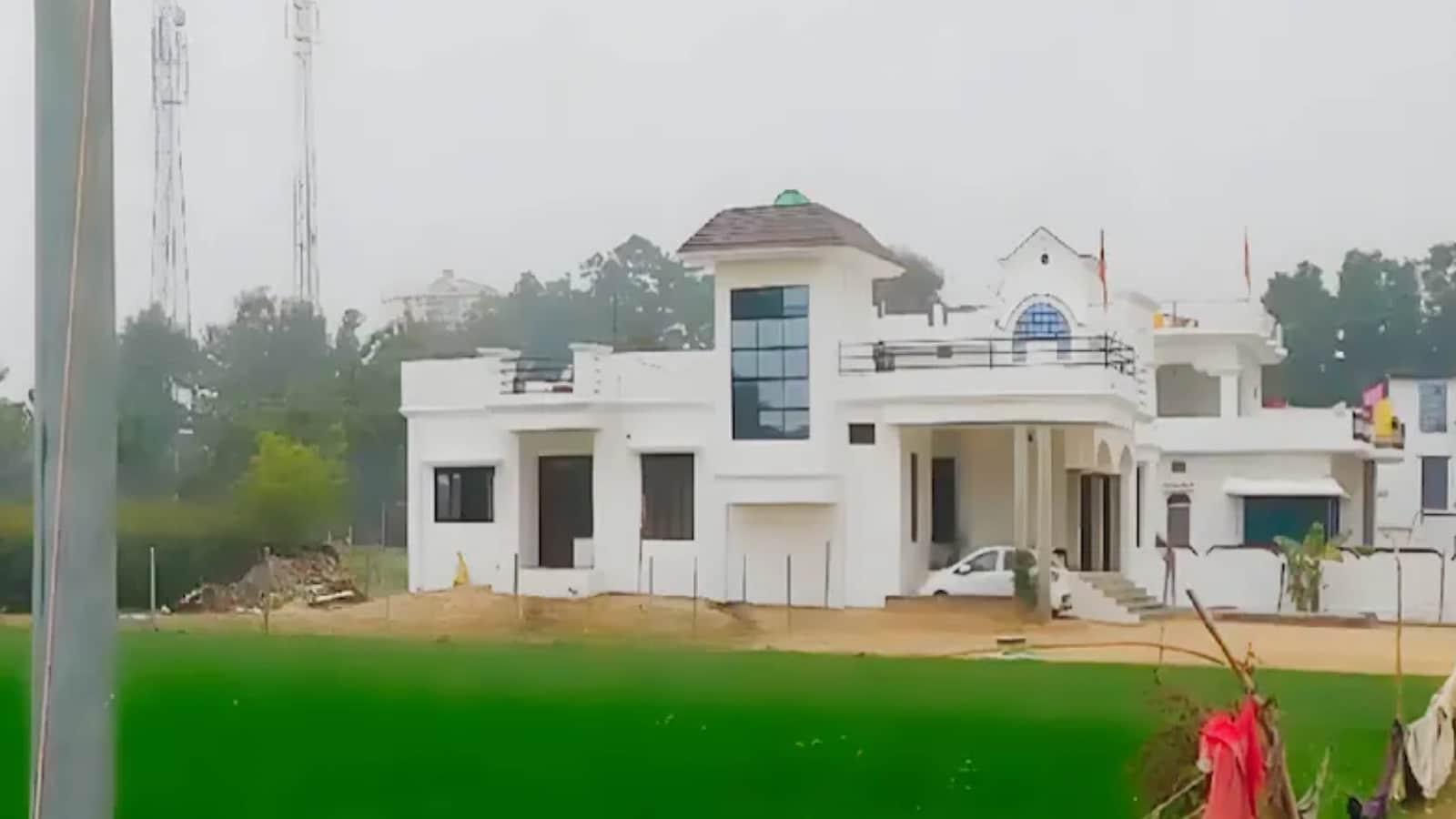
Residents credit Madhopatti’s success to more than academic excellence. Children are encouraged to adopt discipline, simplicity and hard work from an early age. Many students move to Prayagraj, one of India’s best-known centres for competitive examination coaching, to prepare for the UPSC Civil Services Examination and state-level recruitment tests. Former aspirants who were unsuccessful also mentor younger candidates, helping them avoid common mistakes and creating a strong support system within the village.
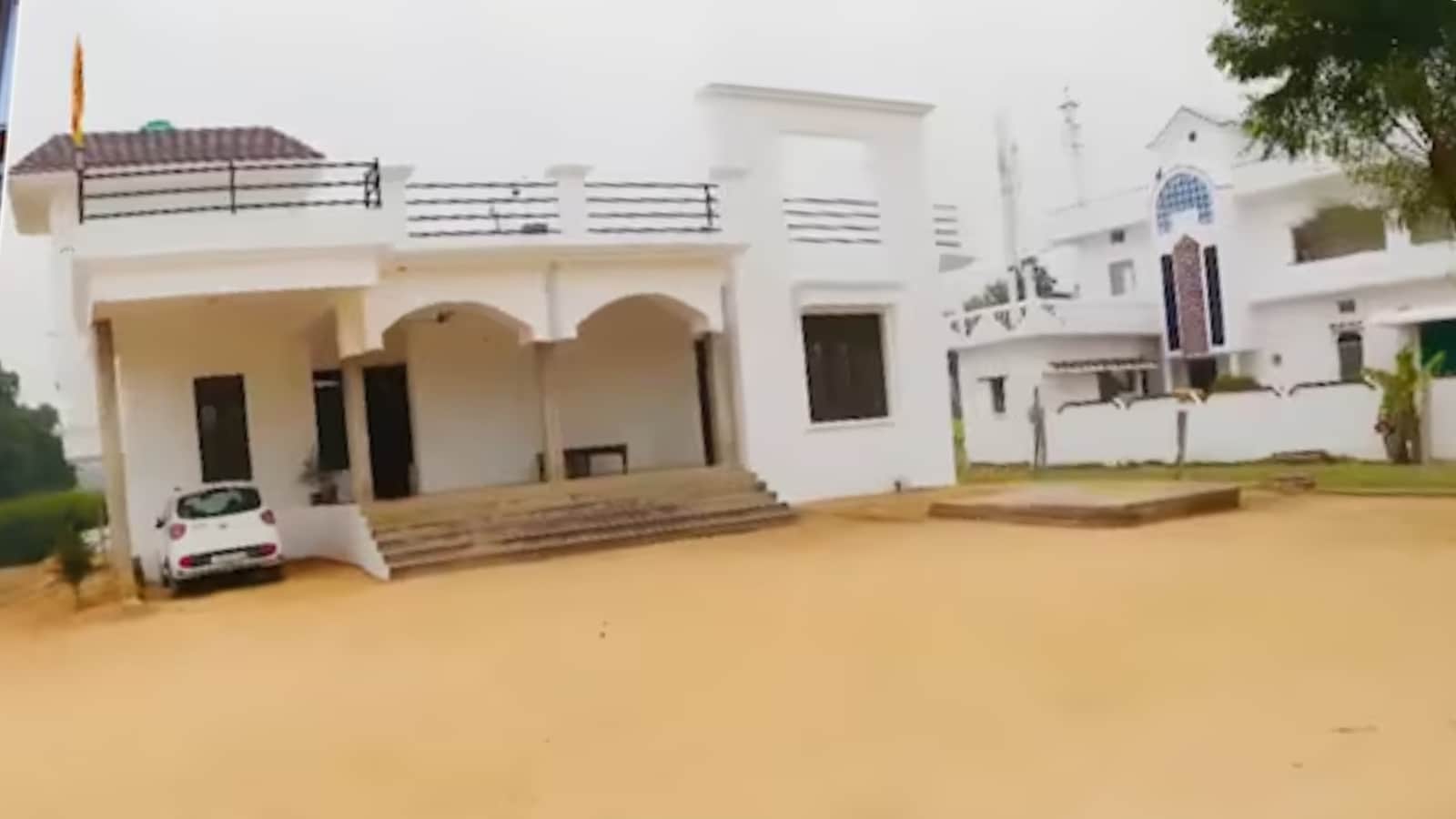
Despite its remarkable legacy, villagers say Madhopatti has witnessed a decline in recent years. According to local residents, no candidate from the village has been selected for the IAS or IPS during the past three years. Many also believe that although dozens of officers originated from the village, relatively few returned to contribute to local development after settling elsewhere, leaving the village lagging behind in infrastructure despite its distinguished reputation.
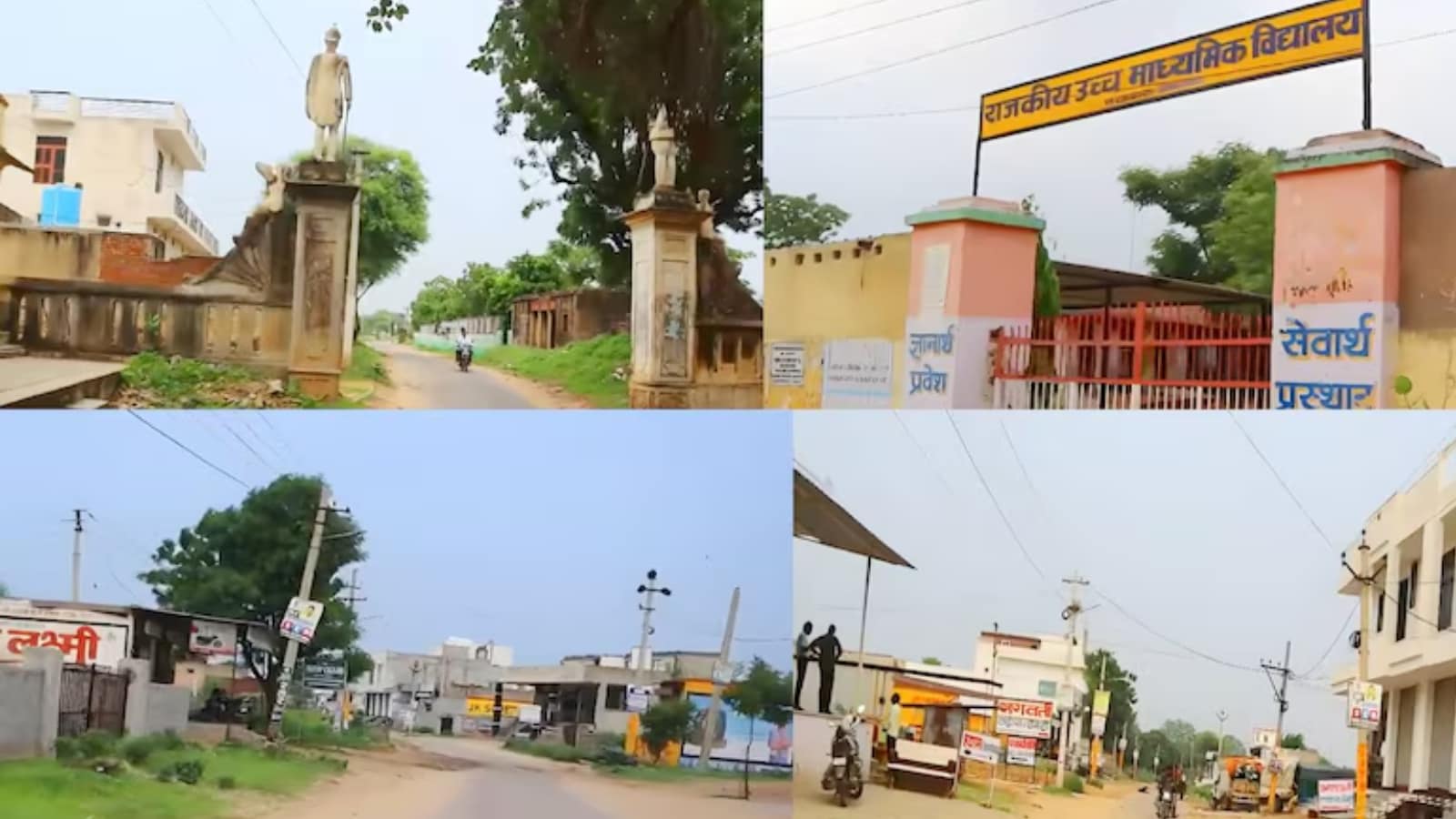
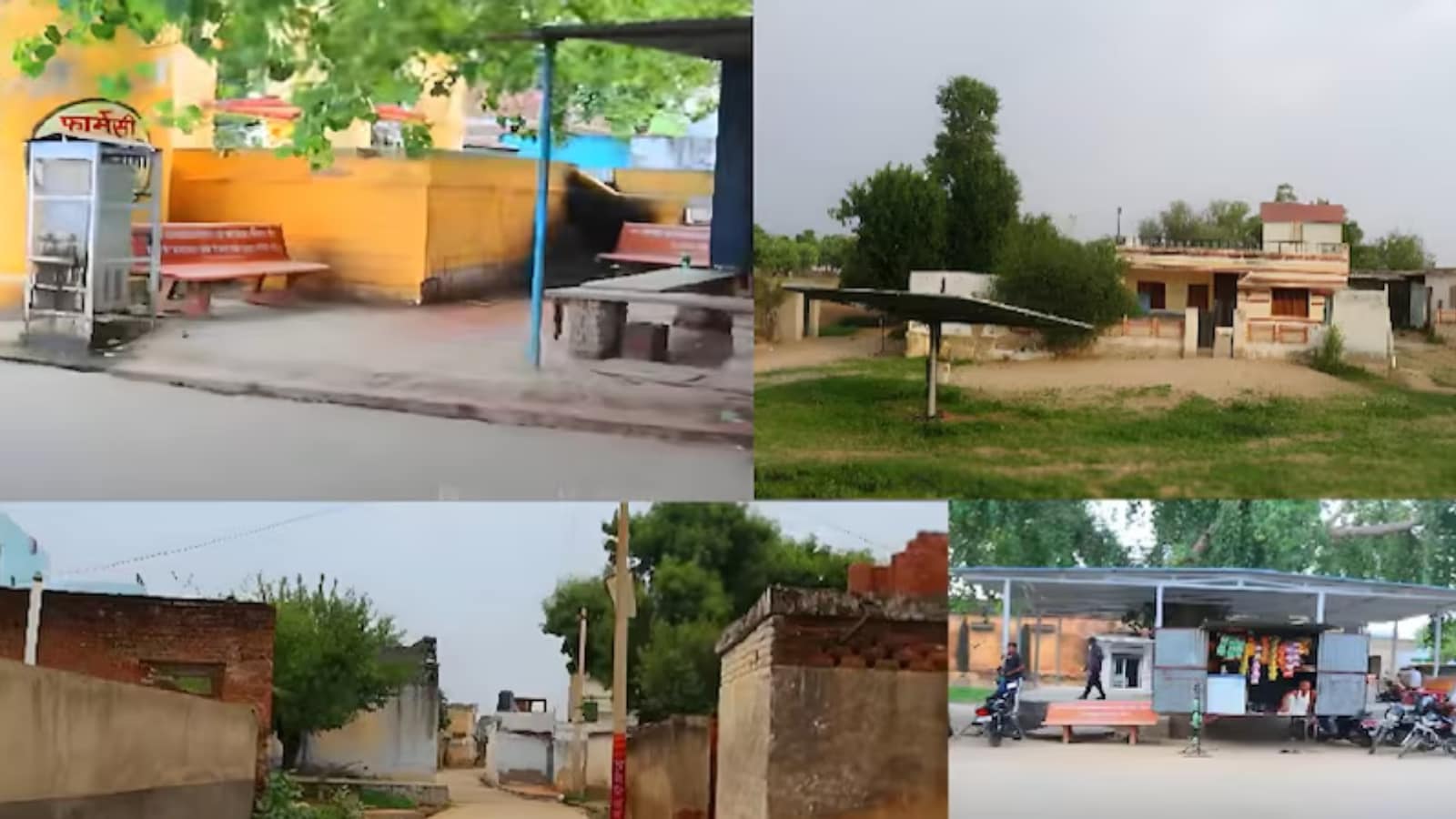
The second village often associated with India’s civil services success story is Naya Bas in Rajasthan’s Neem Ka Thana district. Once known for incidents of theft and robbery, the village has undergone a dramatic transformation through education. Today, the village has around 800 households and has reportedly produced more than 500 government officers, including 25 civil servants comprising 15 District Collectors, five Superintendents of Police and three Indian Forest Service (IFS) officers. In total, more than 1,600 residents have secured government jobs. Education has also brought significant social change, with villagers reportedly abandoning practices such as animal sacrifice and extravagant death feasts.

Villagers trace Naya Bas’s transformation to an incident in June 1972 involving KL Meena, who had been selected as a Sub-Inspector in the Intelligence Bureau. While visiting his village, police investigating a theft case reportedly questioned him and allegedly mistreated villagers, an incident that deeply affected the community. Determined to change perceptions, Meena later cleared the UPSC Civil Services Examination on his first attempt and became the first IAS officer from the Shekhawati region. His achievement inspired generations of young people to pursue education and government service. Today, villagers say families are willing to take loans to ensure their children receive higher education and prepare for competitive examinations.
Although separated by hundreds of kilometres, Madhopatti and Naya Bas share several common traits like a strong emphasis on education across generations, early encouragement to prepare for competitive examinations. successful officers inspiring younger students, community-wide support for civil services preparation and families prioritising education, even through financial hardship.
Their stories continue to inspire UPSC aspirants across India, demonstrating how a culture of learning and determination can transform even the smallest villages into centres of administrative excellence.