
8 Out Of 100 Girls Leave School Before Class 10: What Are The Reasons? | Education and Career News
Last Updated:
The focus was earlier on ensuring that girls entered schools; now the challenge is ensuring that they complete secondary education.




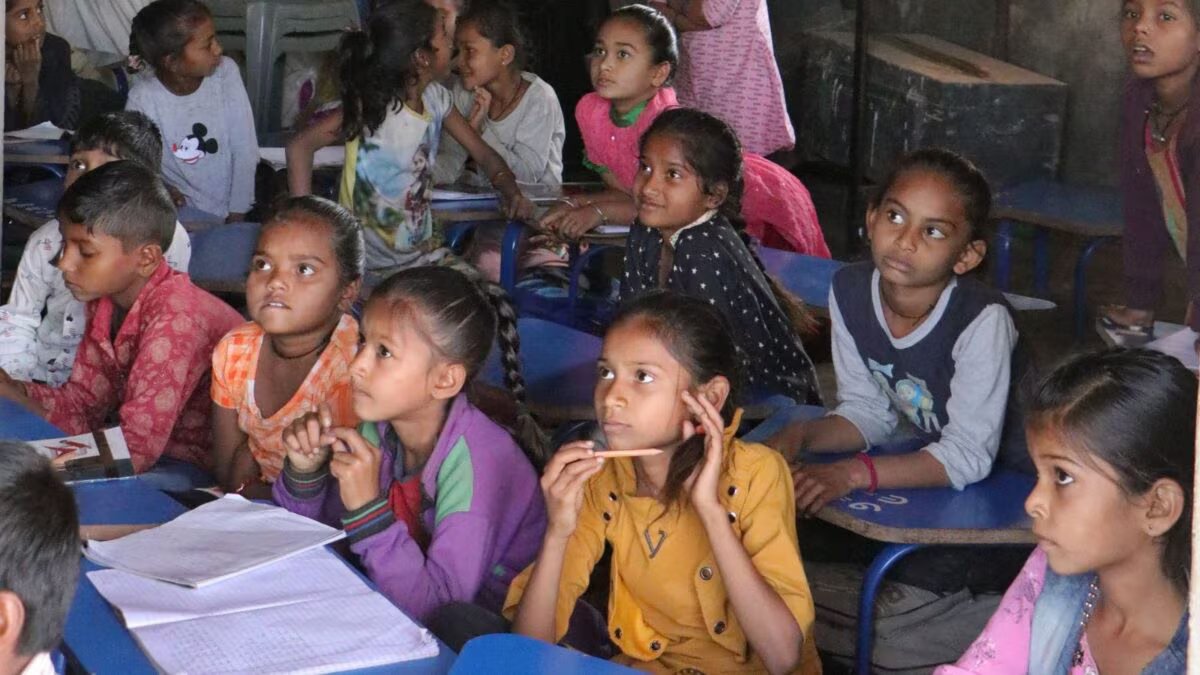
For families worried about girls travelling alone, distance and safety concerns can become major barriers. (Image: Pexels)
Around eight out of every 100 girls leave school before reaching Class 10, highlighting a gap between access and retention. According to the Education Ministry’s reply in the Lok Sabha, the dropout challenge becomes more visible as girls move from elementary education to secondary classes.
Why do girls leave school after Class 8?
1. Social and family pressure
For many girls, the transition into teenage years brings new restrictions at home. Families may become more concerned about safety, mobility and social expectations, affecting decisions about whether girls should continue education. Some of the factors include early marriage, household responsibilities and the perception that girls’ education is less financially rewarding than boys’ education, reported Times of India.
2. Increase in household responsibilities
As girls grow older, they are often expected to take on more domestic responsibilities, including caring for siblings and helping with household work. These responsibilities can reduce attendance and eventually push some students out of school.
3. Distance and safety concerns
While primary schools are often available closer to homes, secondary schools may require longer travel. For families worried about girls travelling alone, distance and safety concerns can become major barriers.
4. Financial pressure
Even when tuition is free, secondary education can involve additional expenses such as transport, uniforms, books, private coaching and examination-related costs. For families facing financial pressure, these expenses can affect whether a girl continues studying.
Adolescence is a critical stage when many girls face challenges linked to health, hygiene, safety and social attitudes. Earlier barriers such as lack of toilets have improved in many schools, but experts say newer challenges linked to social expectations and support systems continue to affect retention.
Classrooms may have more girls than before, but the transition to higher classes remains a vulnerable point. While the focus was earlier on ensuring that girls entered schools; now the challenge is ensuring that they complete secondary education.
About the Author

A team of reporters, writers and editors brings you news, analyses and information on college and school admissions, board and competitive exams, career options, topper interviews, job notifications, …Read More
Read More