
Weather, Festivals And Breaks: Why Schools Are Finding It Difficult To Maintain 220 Working Days | Education and Career News
Last Updated:
Schools often find it difficult to maintain the 220 working day requirement against several unavoidable factors such as bad weather, public holidays, and local festivals.




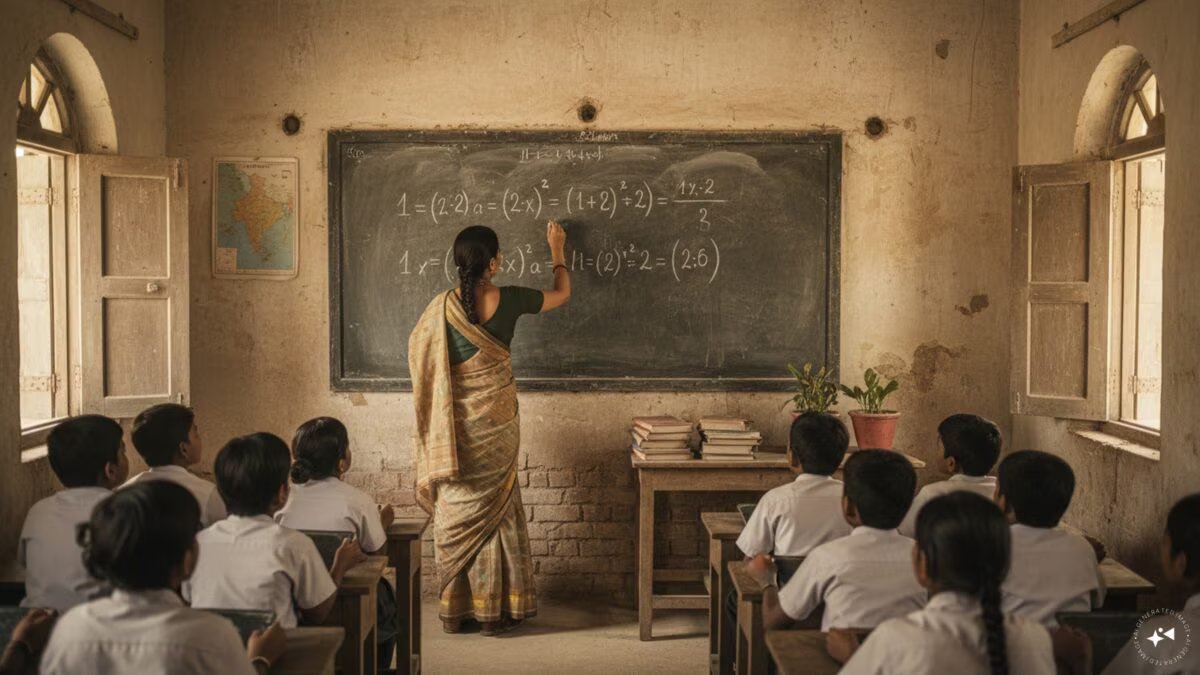
Heatwaves, heavy rainfall, floods, and poor air quality have led to unexpected school closures in several states. (AI Image)
For schools across India, ensuring the minimum number of working days in an academic year is becoming an increasingly complex task. Under the Right to Education (RTE) Act, primary classes (1 to 5) require 200 working days and upper primary classes (6 to 8) require 220 working days.
Several schools often find themselves balancing this requirement against a range of unavoidable factors, including seasonal breaks, extreme weather conditions, public holidays, and local festivals.
Recently, schools across Ghaziabad have been ordered to remain closed on Thursday as persistent rainfall continues to affect the city and surrounding areas. While at least two schools in Gurugram — MatriKiran and Lotus Valley International School — have shifted to online classes for the day in view of the rain and waterlogging concerns.
Weather-related challenges have become more frequent in recent years. Heatwaves, heavy rainfall, floods, and poor air quality have led to unexpected school closures in several states.
The IMD has also issued alerts for several regions, including Delhi-NCR, Kerala, Madhya Pradesh, Assam, Bihar, Uttar Pradesh, Uttarakhand, Odisha, West Bengal, Karnataka, and parts of the Northeast. Due to heavy rains, it could be difficult for students to get to the schools and several educational institutions are likely to declare holidays on such occasions.
Such interruptions can reduce the number of planned instructional days and force schools to adjust schedules, extend working hours, or revise academic plans.
Apart from this, summer vacations remain essential in many parts of the country, particularly in regions where temperatures can rise to uncomfortable and unsafe levels for students. Often, due to severe heatwaves schools are forced to extend their summer breaks. Similarly, winter vacations often get extended in northern states due to severe cold, fog, and weather disruptions.
Festivals and cultural events add another layer of complexity. India’s diverse communities celebrate numerous regional and national festivals, many of which involve school holidays to respect local traditions and allow families to participate. Schools in several districts of UP have been directed to remain close till August 12 due to Kanwar Yatra. While schools across Telangana are likely to remain closed 10 days this month due to Bonalu festival and Nag Panchami. While these breaks are an important part of cultural life, they also reduce the available academic calendar.
School administrators often face the difficult task of maintaining a balance between meeting regulatory requirements and ensuring the well-being of students and teachers. In the current scenario, the challenge for Indian schools is therefore not just about counting days on a calendar, it is about creating an academic schedule that respects regional conditions, supports student welfare, and provides enough time for effective learning. Achieving this balance requires flexibility, thoughtful planning, and cooperation among policymakers, schools, parents, and communities.
About the Author

A team of reporters, writers and editors brings you news, analyses and information on college and school admissions, board and competitive exams, career options, topper interviews, job notifications, …Read More
August 06, 2026, 12:17 IST
Read More