
Top 5 Olympiad Exams Every Indian Student Should Know About
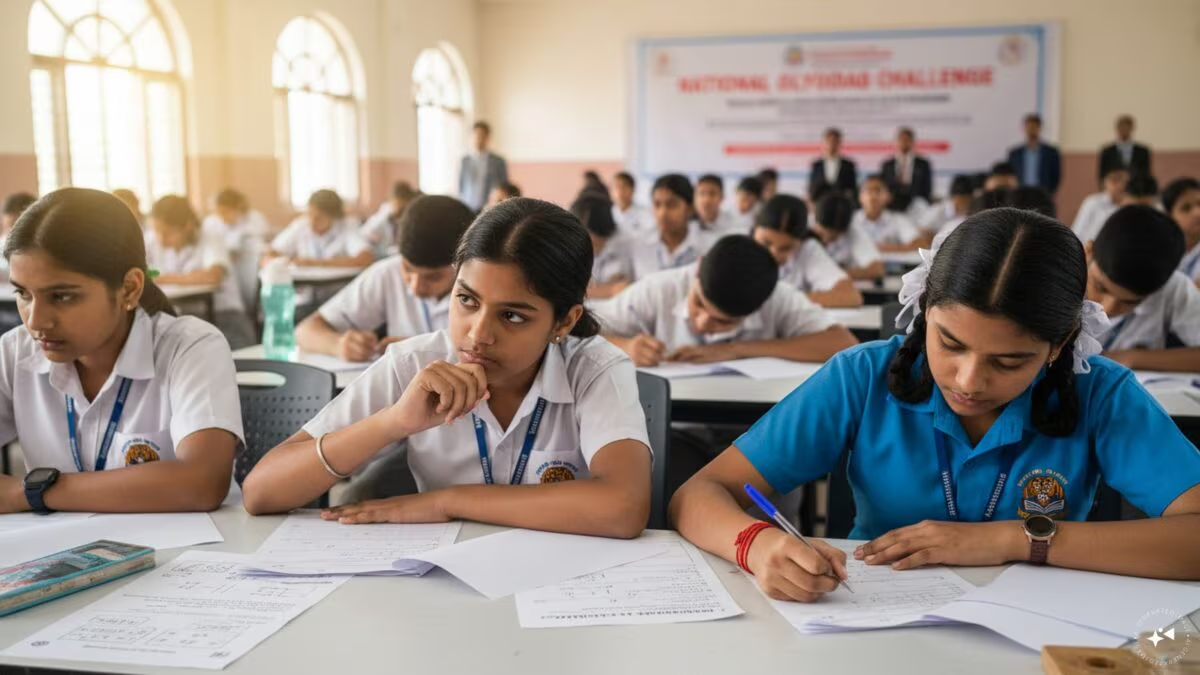
Olympiads are special competitions that help students learn more about different subjects and improve their knowledge. They encourage students to think creatively, solve problems, and build confidence. By taking part in Olympiads, students can win certificates, medals, scholarships, and other awards. (AI Image)
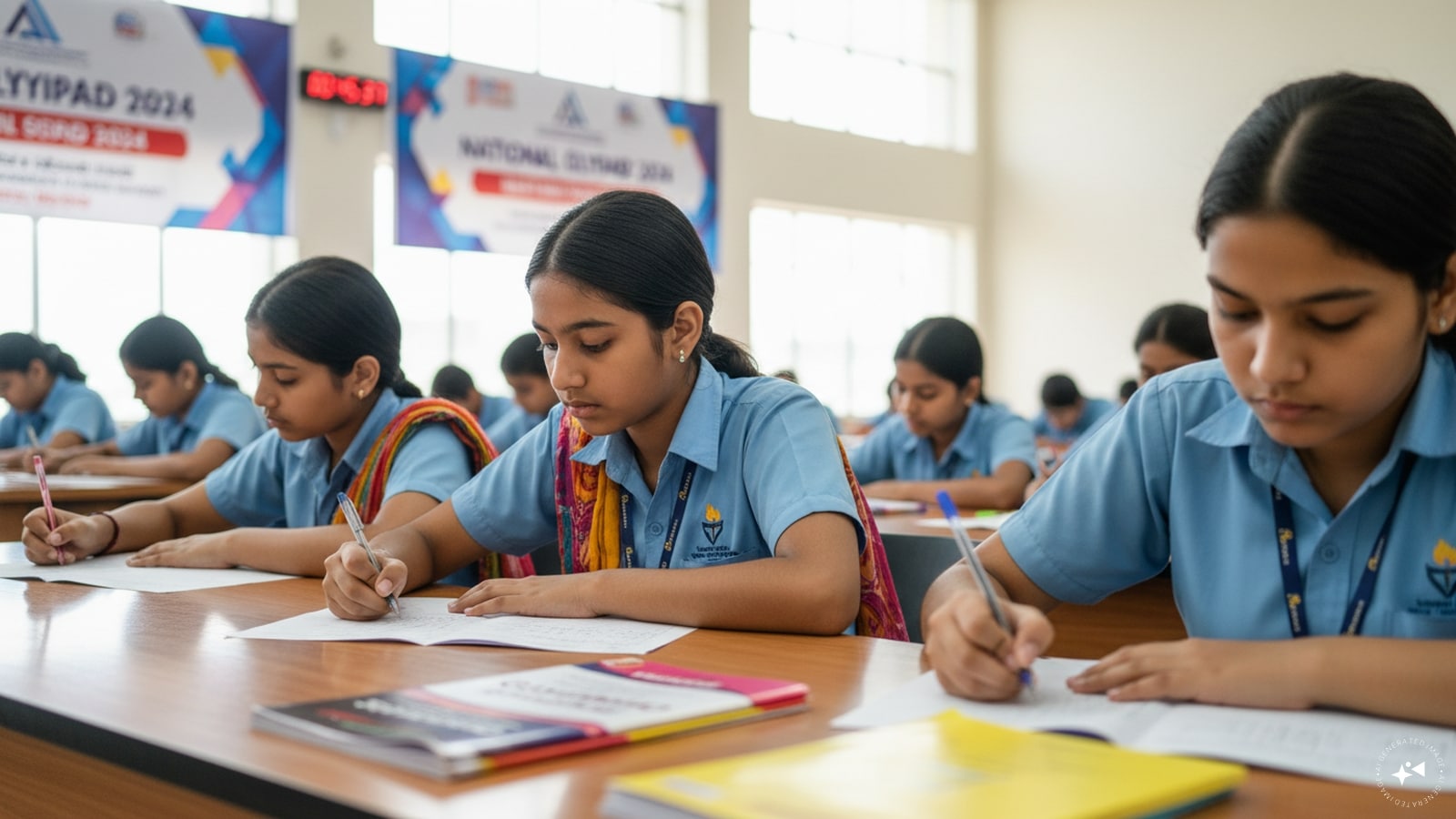
The National Science Olympiad (NSO) is conducted by the Science Olympiad Foundation (SOF). It is open to students from Classes 1 to 12. This Olympiad tests students’ knowledge of science and helps them understand scientific concepts better. (AI Image)
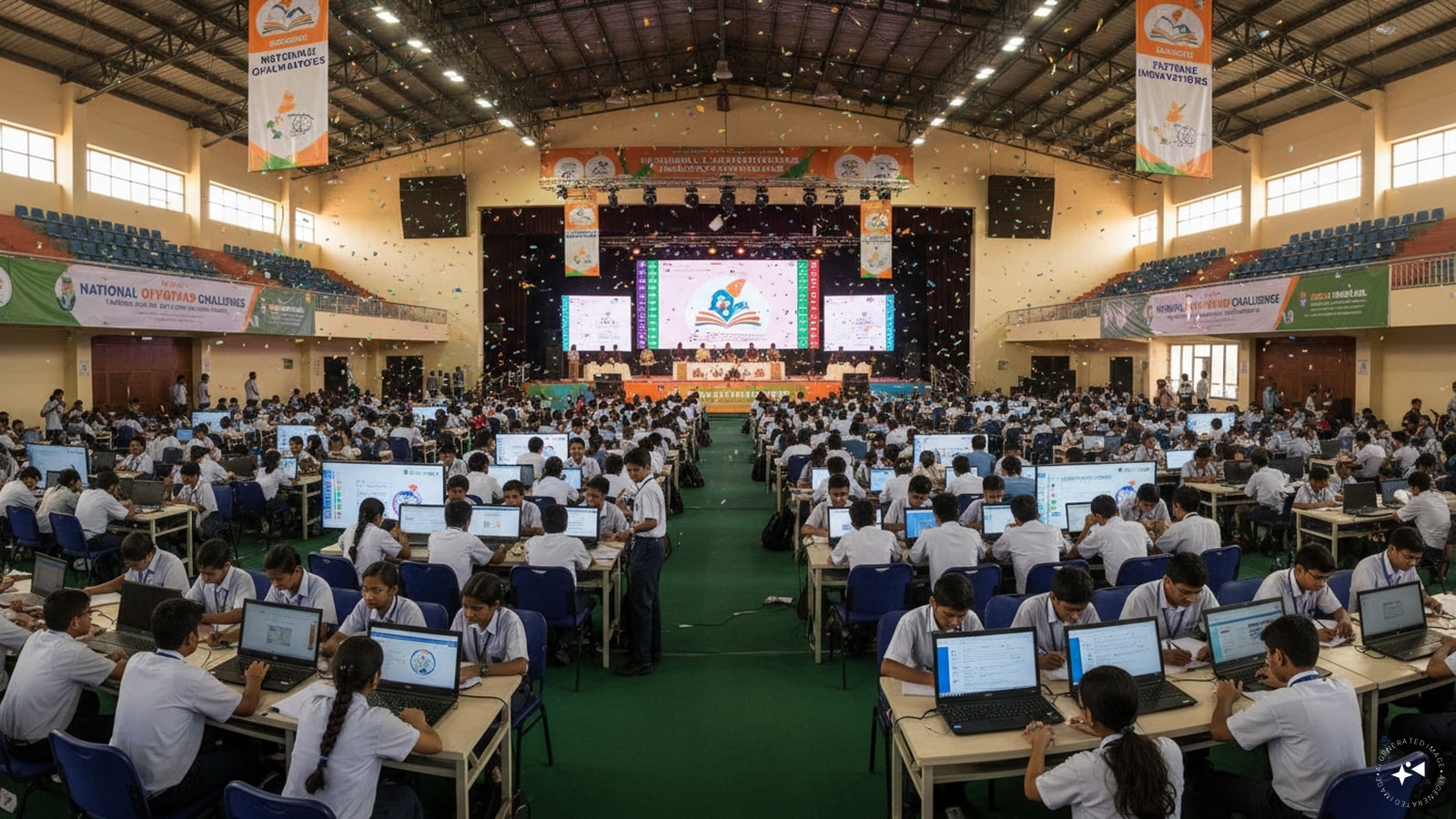
The International Mathematics Olympiad (IMO) is also organised by the Science Olympiad Foundation. It is for students from Classes 1 to 12 and helps improve their mathematical skills, logical thinking, and problem-solving abilities. (AI Image)
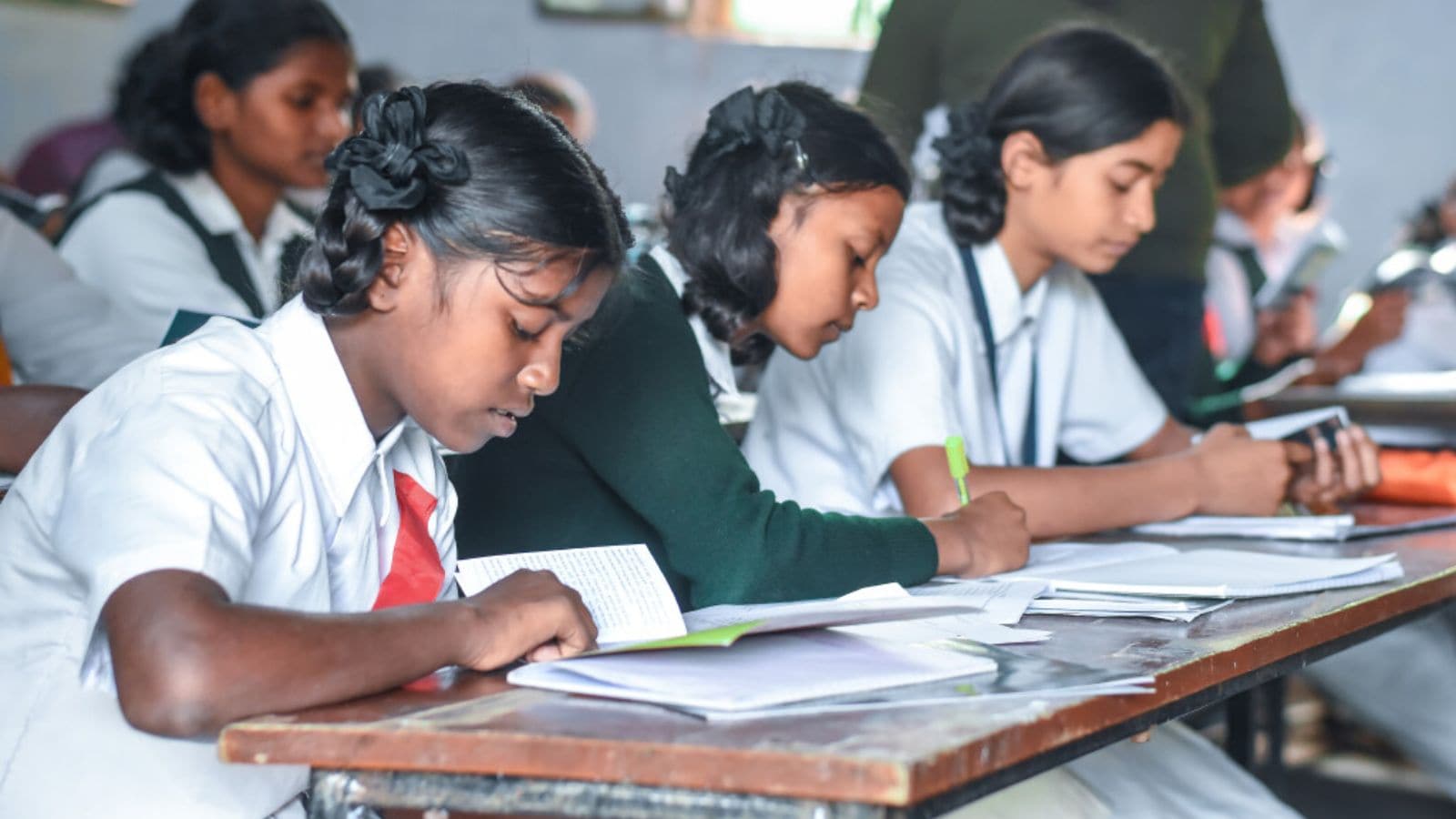
The National Level Science Talent Search Examination (NSTSE), conducted by Unified Council, is for students from Classes 2 to 12. It tests students’ understanding of science and mathematics and encourages them to think carefully and solve problems. (File Photo/Representative)
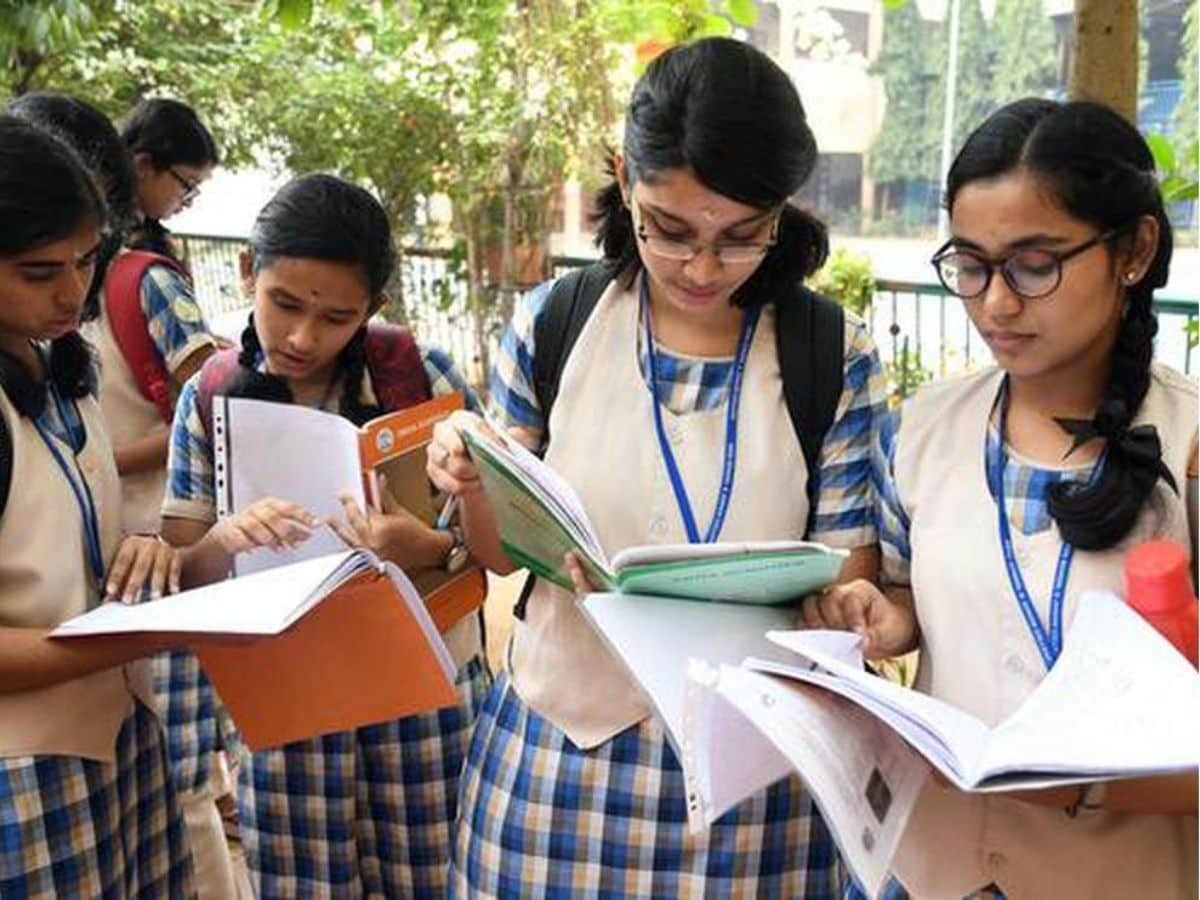
The International STEM Olympiad focuses on Science, Technology, Engineering, and Mathematics (STEM). It encourages students to be creative, think logically, and solve real-life problems. It also helps students develop skills that are useful for future careers. (File Photo/Representative)
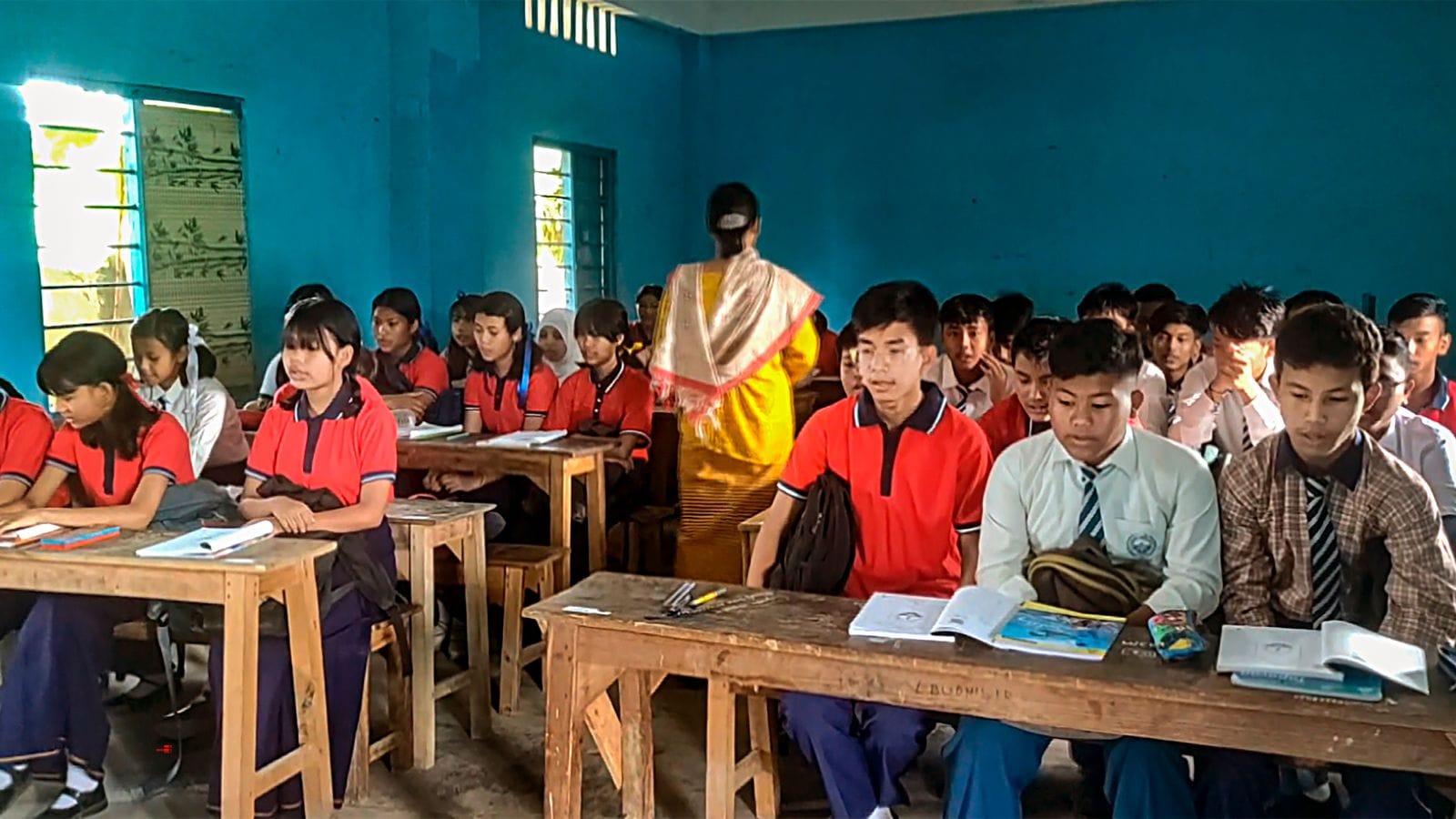
The International Computer Science Olympiad (ICSO) is for students who are interested in computers and technology. It introduces them to computer science, logical thinking, and basic digital skills in an enjoyable way. (Representative image/PTI)
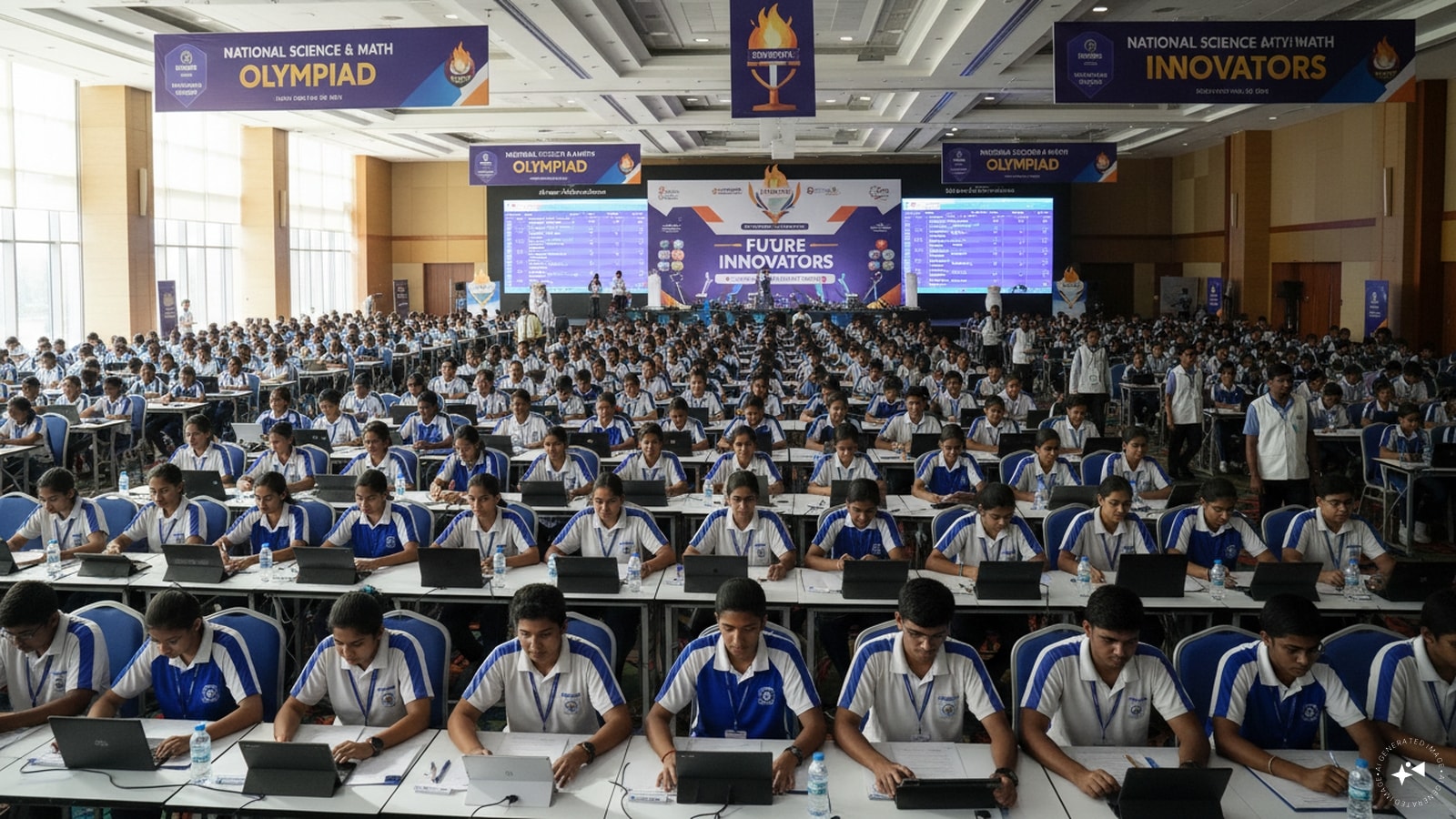
Apart from these, students can also take part in the International English Olympiad (IEO), which tests their grammar, vocabulary, reading, and language skills. While the Indian Olympiad Programme conducted by the Homi Bhabha Centre for Science Education (HBCSE) is meant for students who want to compete at higher levels in subjects like mathematics, physics, chemistry, biology, astronomy, and junior science. (AI Image)