
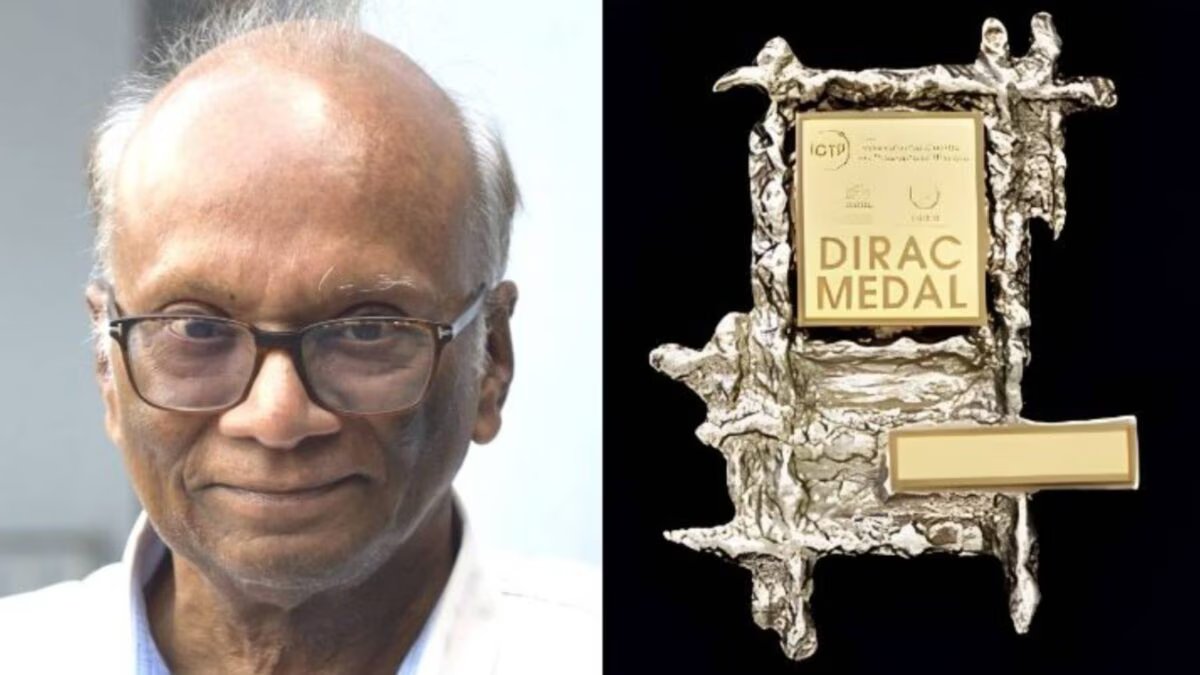
Theoretical Physicist Deepak Dhar Becomes First Indian To Win Prestigious Dirac Medal
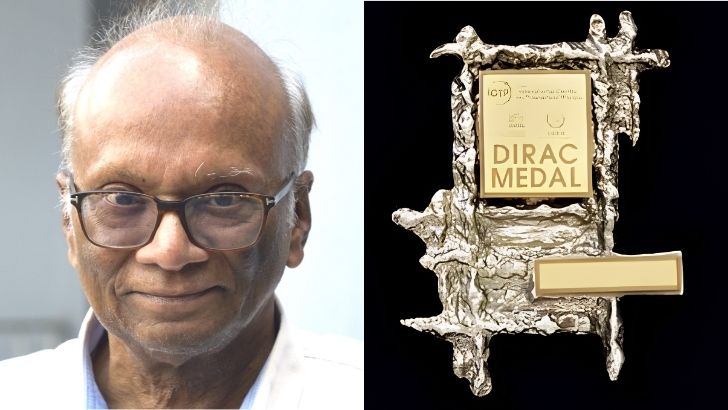
Indian theoretical physicist Deepak Dhar has been awarded the prestigious Dirac Medal, becoming the first Indian to receive the honour. The recognition comes for his influential work in statistical physics and complex systems. Dhar is a Distinguished Professor at the International Centre for Theoretical Sciences (ICTS-TIFR), Bengaluru, and has spent decades studying some of the most complex problems in theoretical physics. (Image: Wikimedia Commons)

Born in 1951 in Pratapgarh, Uttar Pradesh, Dhar developed an interest in science at an early age. He completed his BSc from the University of Allahabad and went on to earn a master’s degree in physics from IIT Kanpur. He later moved to the United States for higher studies and completed his PhD in physics from the California Institute of Technology (Caltech) in 1978. He returned to India the same year and joined the Tata Institute of Fundamental Research (TIFR), where he spent much of his career. (Image: Caltech)
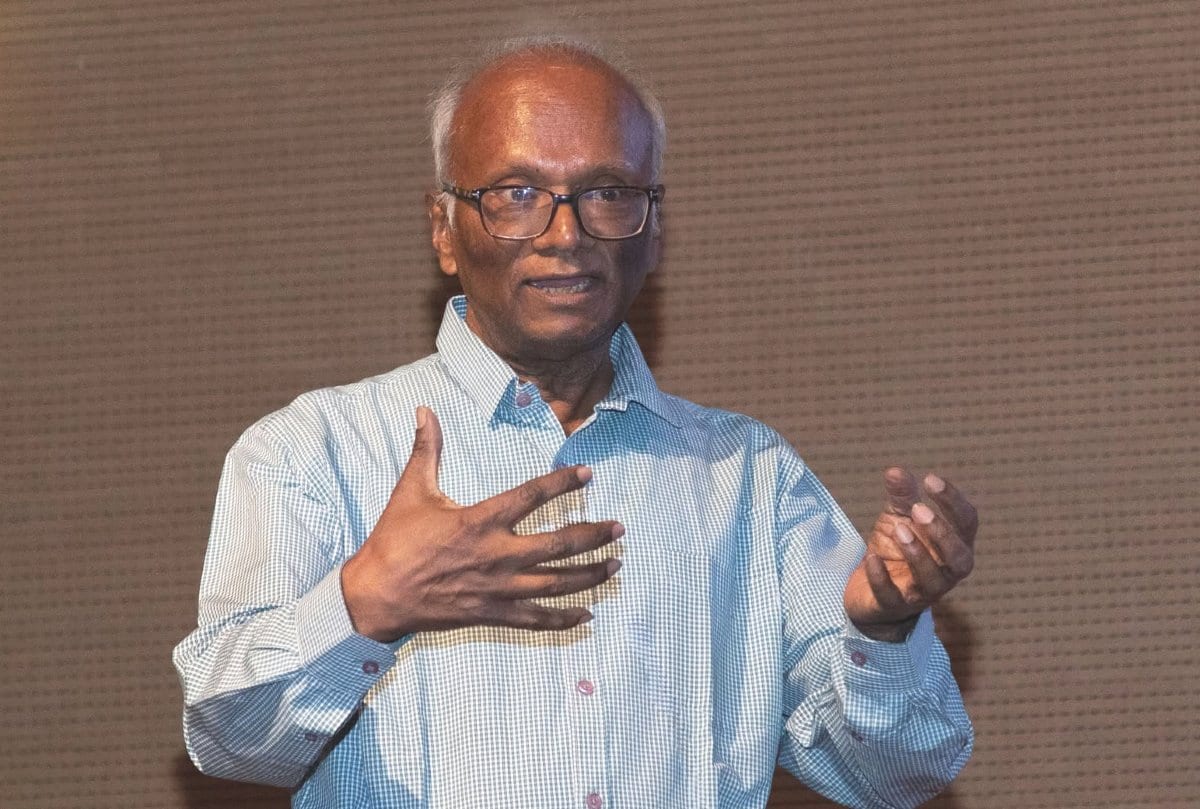
Dhar is best known for his work in statistical physics and stochastic processes. His research has explored how apparently simple systems can produce complex and unpredictable behaviour. One of his best-known areas of research is self-organised criticality. A simple way to understand the concept is through a pile of sand: adding one grain usually makes little difference, but occasionally a single grain can trigger an avalanche. Dhar developed mathematical approaches to understanding such systems and their critical behaviour. (Image: X)
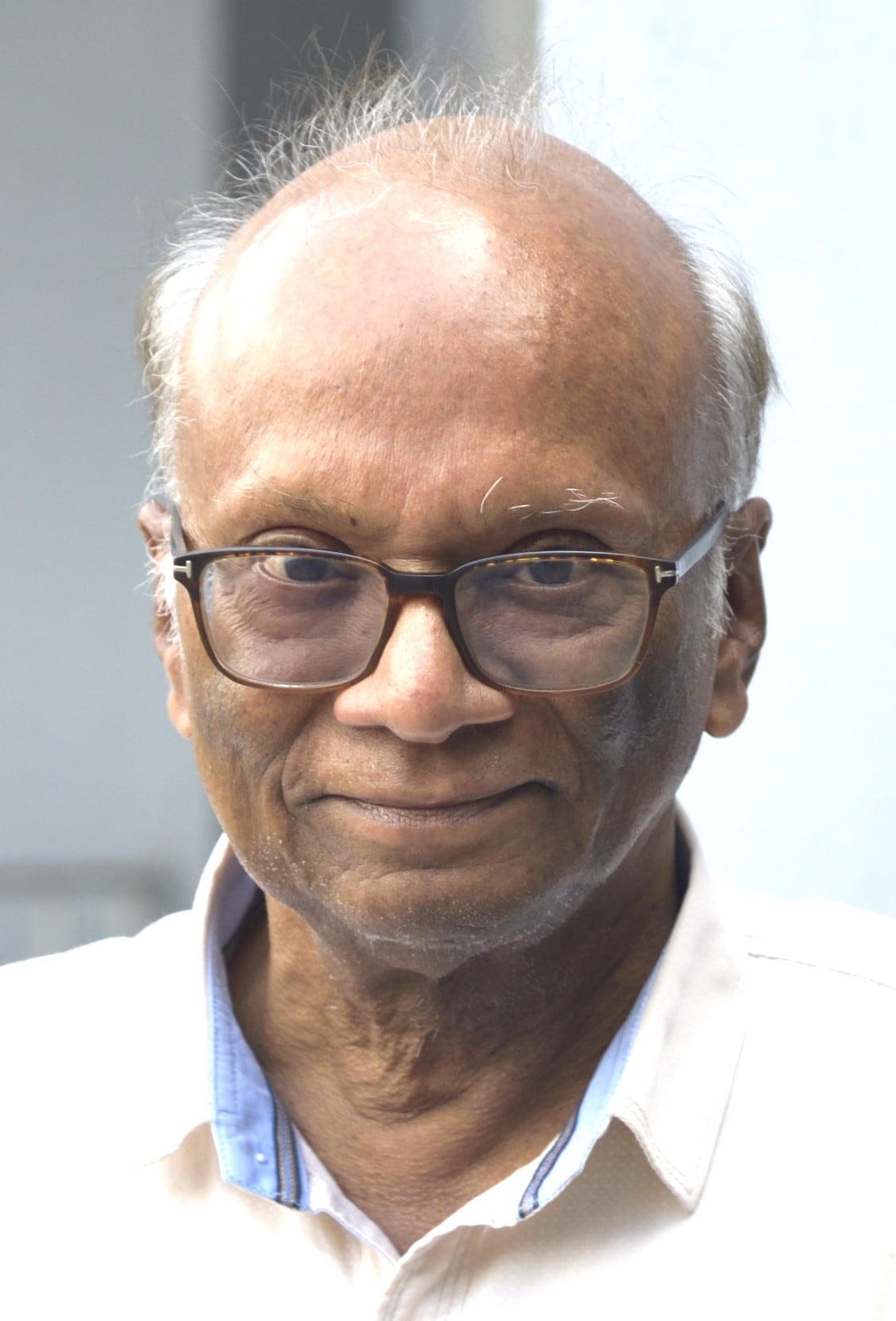
His work has also contributed to research involving fractals, percolation, interfacial growth and disordered magnetic systems. The International Union of Pure and Applied Physics has highlighted his contributions to exact solutions of self-organised criticality models, percolation and cluster-counting problems, as well as his work on the spectral dimension of fractals. (Image: ICTS)
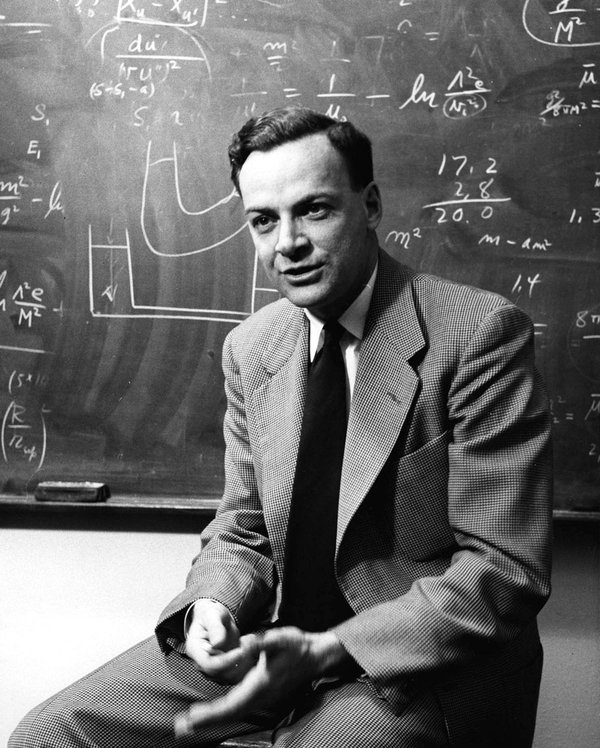
During his time at Caltech, Dhar was part of an academic environment that included legendary physicist Richard Feynman. (Image: Caltech)
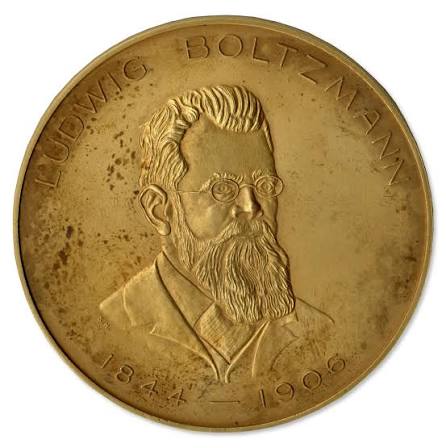
The Dirac Medal is not Dhar’s first major international recognition. He previously became the first Indian recipient of the Boltzmann Medal, which he shared with John J. Hopfield in 2022. The medal recognised his seminal contributions to several areas of statistical physics. (Image: X)
He was also awarded the Shanti Swarup Bhatnagar Prize in 1991, the TWAS Prize in 2002 and the Padma Bhushan in 2023. TIFR lists Dhar among its distinguished awardees and notes his Boltzmann Medal and other honours. (Image: Rockefeller University)
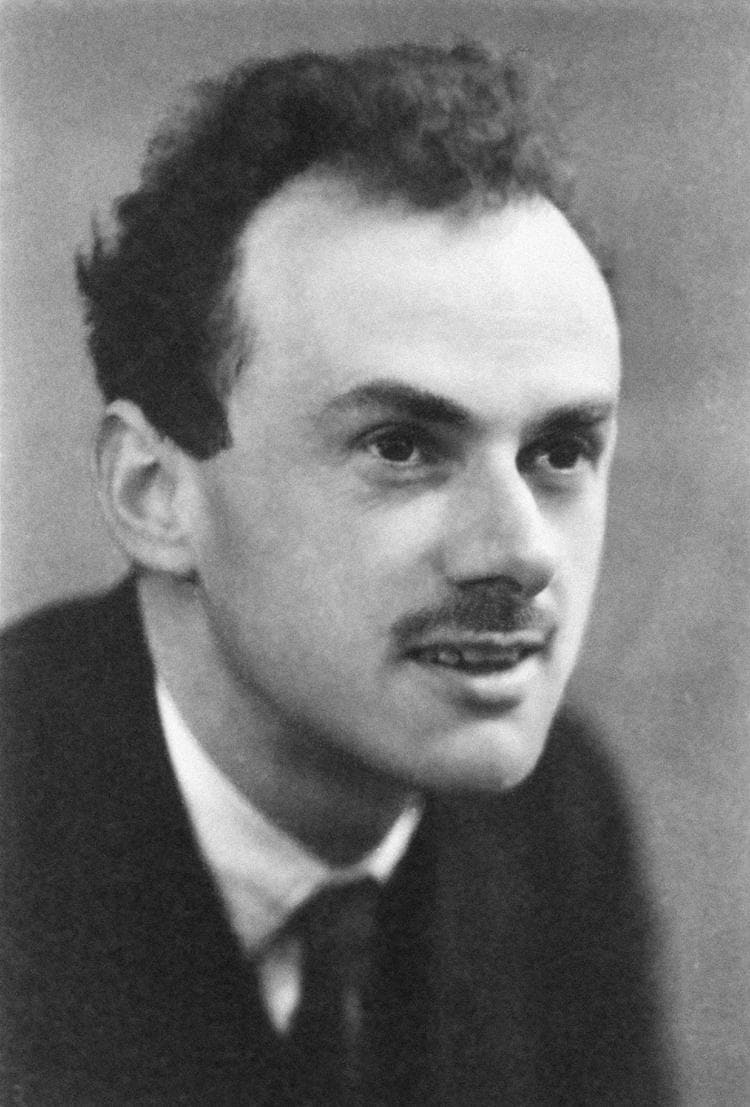
The Dirac Medal is awarded annually by the International Centre for Theoretical Physics to scientists who have made significant contributions to theoretical physics. It was first awarded in 1985 and is named after renowned physicist Paul Dirac. The medal is presented on Dirac’s birthday, August 8. (Image: Wikimedia Commons)
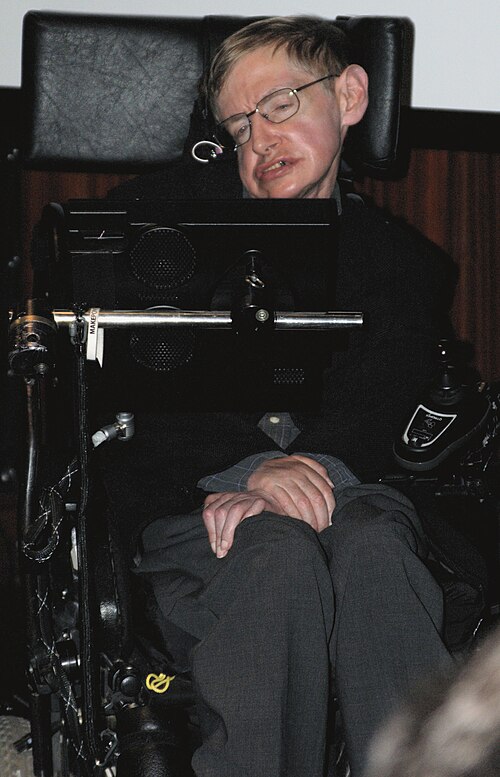
The award has previously gone to several leading names in theoretical physics, including Stephen Hawking, as well as Nobel laureates and other internationally recognised scientists. Dhar’s selection therefore marks another significant milestone in the career of an Indian physicist whose work has helped explain how complex systems behave. (Image: Wikimedia Commons)