
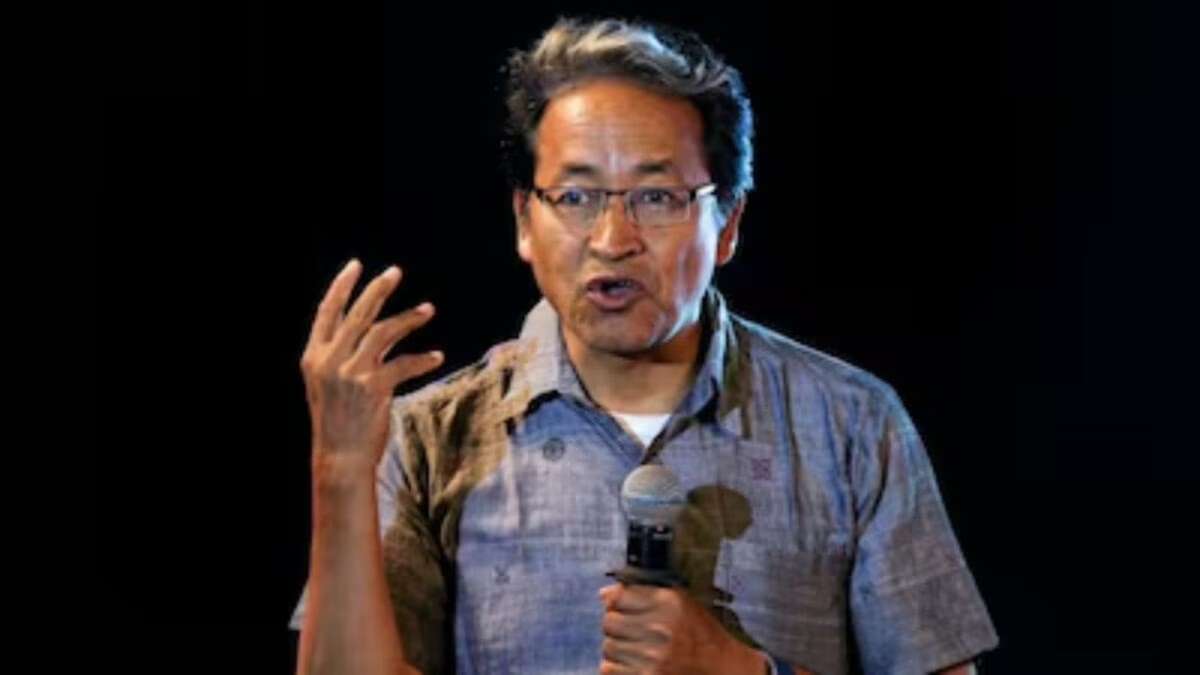
Sonam Wangchuk Educational Qualification: Homeschooled As A Child, Studied At NIT Srinagar
Sonam Wangchuk, best known as an engineer, education reformer, and innovator from Ladakh, overcame significant geographical and linguistic barriers to become what he is today. From a child who began learning at home in a remote Himalayan village to an engineer educated at NIT Srinagar and an internationally trained sustainable architecture specialist, Sonam Wangchuk’s educational journey reflects his belief that learning should be connected to real-world challenges. (File Photo)

Born in 1966 near Alchi in Ladakh, Wangchuk did not receive formal schooling until the age of nine because there were no schools in his remote village. During his early childhood, his mother educated him at home in his native language, giving him a strong foundation in basic literacy and learning. It was later when his father entered public life in Jammu and Kashmir, Wangchuk joined Vishesh Kendriya Vidyalaya in Delhi, which helped broaden his academic exposure. (Image: Instagram/@gitanjalijangmo)

For graduation, Wangchuk pursued higher education at the National Institute of Technology (then Regional Engineering College), Srinagar. He studied Bachelor of Technology (B.Tech) degree in Mechanical Engineering in 1987. (File Photo)

Determined to expand his expertise in sustainable design, Wangchuk went on to study Earthen Architecture at the Craterre School of Architecture in Grenoble, France. His studies reflected his growing interest in creating climate-responsive infrastructure suited to the fragile Himalayan ecosystem. Sonam Wangchuk is also widely regarded as the inspiration behind the character Phunsukh Wangdu from the film ‘3 Idiots’. (File Photo)
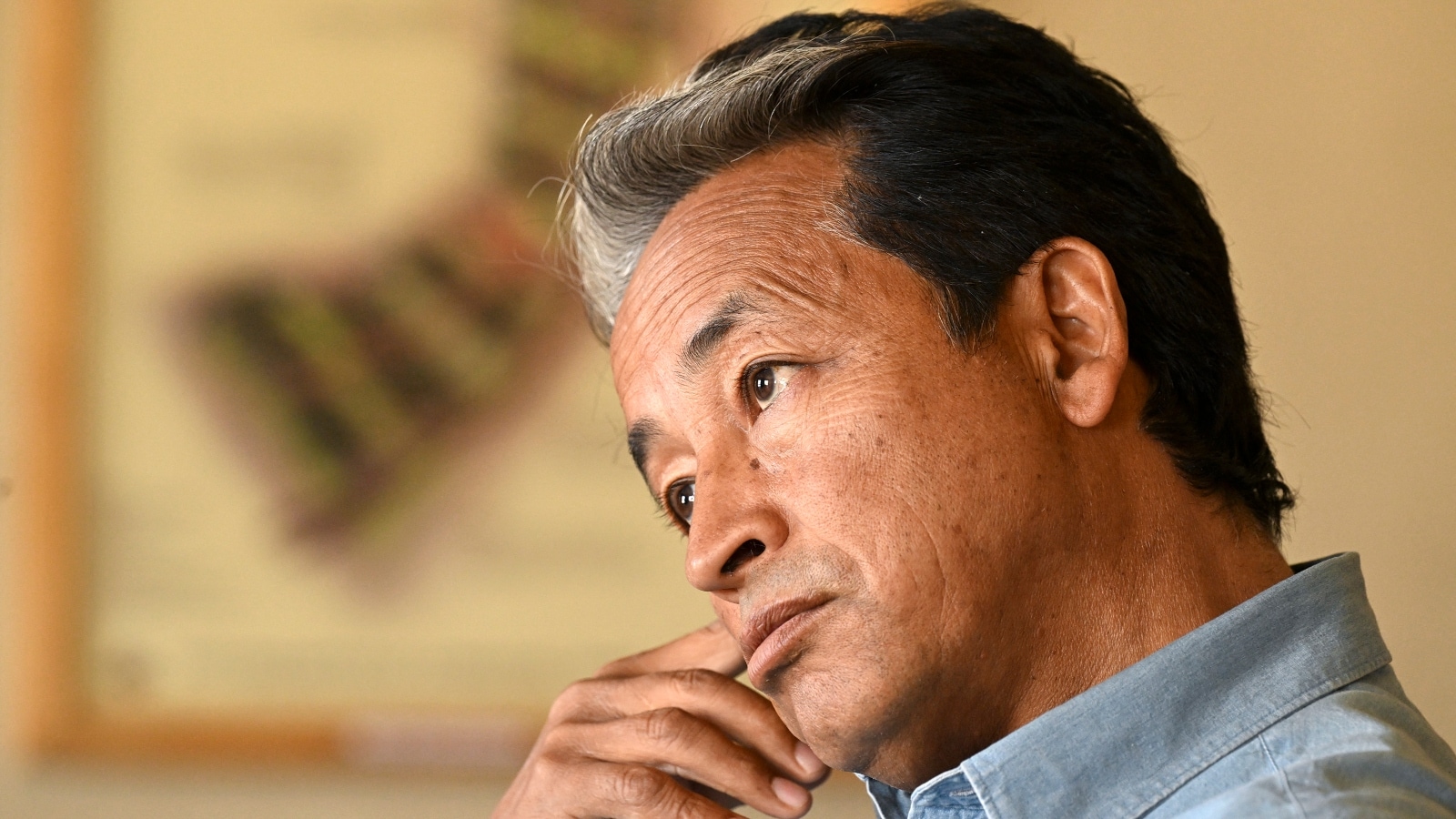
In 1988, he co-founded the Students’ Educational and Cultural Movement of Ladakh (SECMOL), an organisation dedicated to improving the quality and relevance of education in the region. Through initiatives such as Operation New Hope, SECMOL worked with local communities and government authorities to make government schools more effective and better aligned with the needs of Ladakhi students. (File pic/PTI)

His engineering and architectural training also inspired several groundbreaking innovations. Among his most notable achievements is the development of the Ice Stupa, an artificial glacier technology that stores winter water and gradually releases it during spring to support agriculture in water-scarce regions. (File Photo)

Wangchuk also founded the Himalayan Institute of Alternatives, Ladakh (HIAL), which promotes experiential and context-specific education, and launched FarmStays Ladakh to encourage community-based tourism and generate sustainable livelihoods for local residents. Wangchuk’s academic achievements remain a defining aspect of his legacy and influence. (File Photo)