
How A 17-Year-Old Class 12 Student Is Turning Textile Waste Into Income For 250+ Women | Education and Career News
Last Updated:
What began with six women has now become a community of over 250. For Rahini Bansal, the initiative brings together three goals — skills, income and less waste.




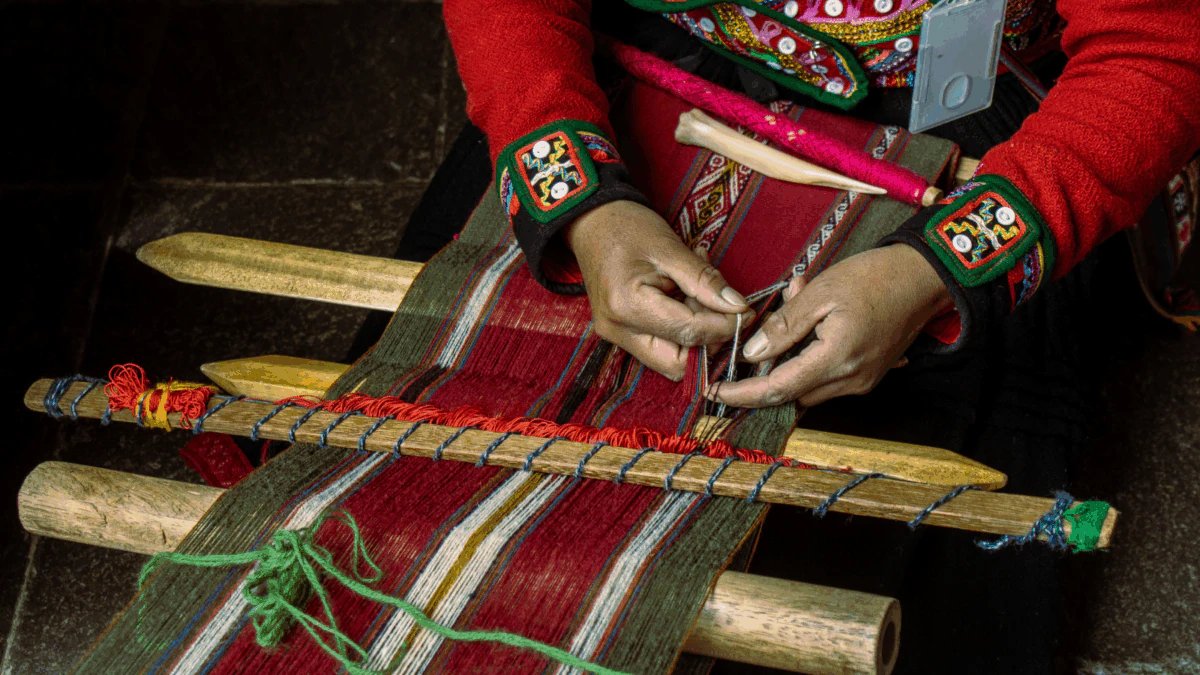
A native of Noida Rahini Bansal began thinking about women’s employment when she was in Class 10. (Representative image)
While most Class 12 students are busy preparing for board exams and planning their college years, 17-year-old Rahini Bansal is working on something very different — helping women become financially independent.
Rahini, who lives in Noida, began thinking about women’s employment when she was in Class 10. In 2024, she launched an initiative called Sutradhar with just six women. Today, it has grown into a community of more than 250 women.
The idea is simple. Sutradhar trains women and girls, especially those from villages, in skills such as sewing, embroidery and knitting. They are then given fabric scraps collected from the textile industry, which they turn into shirts and other useful products.
The initiative allows women to work from home rather than travel to a factory or workplace. They can choose how many hours they want to work based on their daily responsibilities. According to Sutradhar, women associated with the initiative earn between Rs 4,000 and Rs 25,000 a month. For many, this has become an important source of financial independence.
One of the workers, Shobha (45) said it has provided her with an income for the first time. She now uses her earnings to help support her children’s education. Another worker Chanda is similarly using her income to provide better schooling opportunities for her children, reported India Today .
For Prachi, the money is helping pay for her BA degree. She dreams of becoming a fashion designer. Another member, Monica, uses her earnings to fund her brother’s computer training.
The initiative has also supported women who have faced difficult circumstances at home. One domestic violence survivor found that earning her own income gave her both financial independence and the confidence to rebuild her life.
Sutradhar also aims to reduce textile waste by giving discarded fabric a second life.
What began with six women has now become a community of over 250. For Rahini, the initiative brings together three goals — skills, income and less waste.
At just 17, she is still a student herself. But through Sutradhar, she is helping women turn leftover fabric into useful products and, more importantly, into a source of income and independence.
Quick Answers
 Ask News18
Textile waste can be used to create special membranes that remove harmful dyes from industrial wastewater and capture carbon dioxide. Researchers are also developing recycled polyester and new threads from textile waste to make new clothes. Additionally, textile waste can be transformed into toys and decorative items.
Ask News18About the Author

A team of reporters, writers and editors brings you news, analyses and information on college and school admissions, board and competitive exams, career options, topper interviews, job notifications, …Read More
August 28, 2026, 10:04 IST
Read More