
UGC Equity Regulations: Centre Mulls Committee To Review Rules, Tells Supreme Court | Education and Career News
Last Updated:
The Centre has informed the SC that it is considering setting up a committee to revisit the UGC Equity Regulations 2026. The regulations remain on hold following the court’s order.




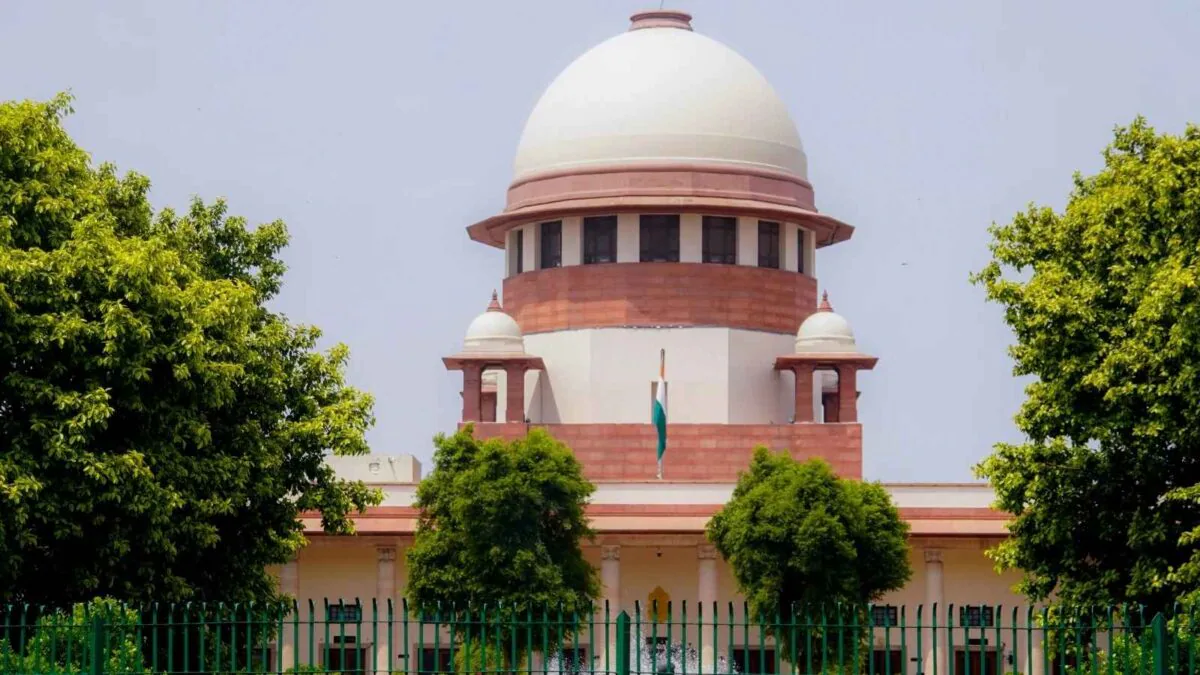
The Chief Justice stressed the need to protect the interests of every student. (PTI)
The Central government is considering setting up a committee to review the University Grants Commission (Promotion of Equity in Higher Education Institutions) Regulations, 2026. The government informed the Supreme Court about the proposal during a hearing on Thursday, November 5.
Solicitor General Tushar Mehta told a bench led by Chief Justice of India Surya Kant and Justice Joymalya Bagchi that the govt was examining the matter to address students’ concerns and ensure that no section of the student community feels dissatisfied or apprehensive, reported LiveLaw.
“The government is contemplating appointing a committee,” Mehta told the court.
The Chief Justice stressed the need to protect the interests of every student. The court has adjourned the batch of petitions challenging the regulations for four weeks.
The matter is part of the proceedings in Abeda Salim Tadvi v. Union of India and connected cases. The original petition was filed in 2019 by the mothers of Rohith Vemula and Payal Tadvi, who died by suicide after allegedly facing caste-based discrimination in their respective institutions. The petition sought stronger safeguards against discrimination in higher education.
What Happened So Far
The UGC notified the Promotion of Equity in Higher Education Institutions Regulations, 2026, in January, replacing the earlier 2012 framework. However, the regulations faced criticism and legal challenges over certain provisions, particularly the definition of caste-based discrimination under Regulation 3(1)(c). The provision focuses on discrimination against members of Scheduled Castes (SCs), Scheduled Tribes (STs) and Other Backward Classes (OBCs).
Petitioners from general categories argued that the definition was exclusionary and could leave students from non-reserved categories without similar protection.
The Supreme Court stayed the implementation of the 2026 regulations on January 29, observing that some provisions appeared prima facie vague and could be misused. The court directed that the UGC’s 2012 regulations would continue to remain in force until further orders.
This is not the first time the Centre has informed the Supreme Court about reconsidering the regulations. In August 2026, the government had also told the court that the rules were under reconsideration.
The 2026 regulations continue to remain stayed unless the Supreme Court modifies its earlier order.
Quick Answers
 Ask News18
The Central government informed the Supreme Court that it is considering setting up a committee to review the UGC (Promotion of Equity in Higher Education Institutions) Regulations, 2026, to address student concerns and ensure no section feels apprehensive.
Ask News18About the Author

A team of reporters, writers and editors brings you news, analyses and information on college and school admissions, board and competitive exams, career options, topper interviews, job notifications, …Read More
November 05, 2026, 14:35 IST
Read More