
How This Tiny Village In Lahaul Produced Dozens Of IAS Officers, Doctors And Engineers | Education and Career News
Last Updated:
Education is one of the biggest strengths of the village. Every person in Tholang is literate, and about 90% of the women are graduates.




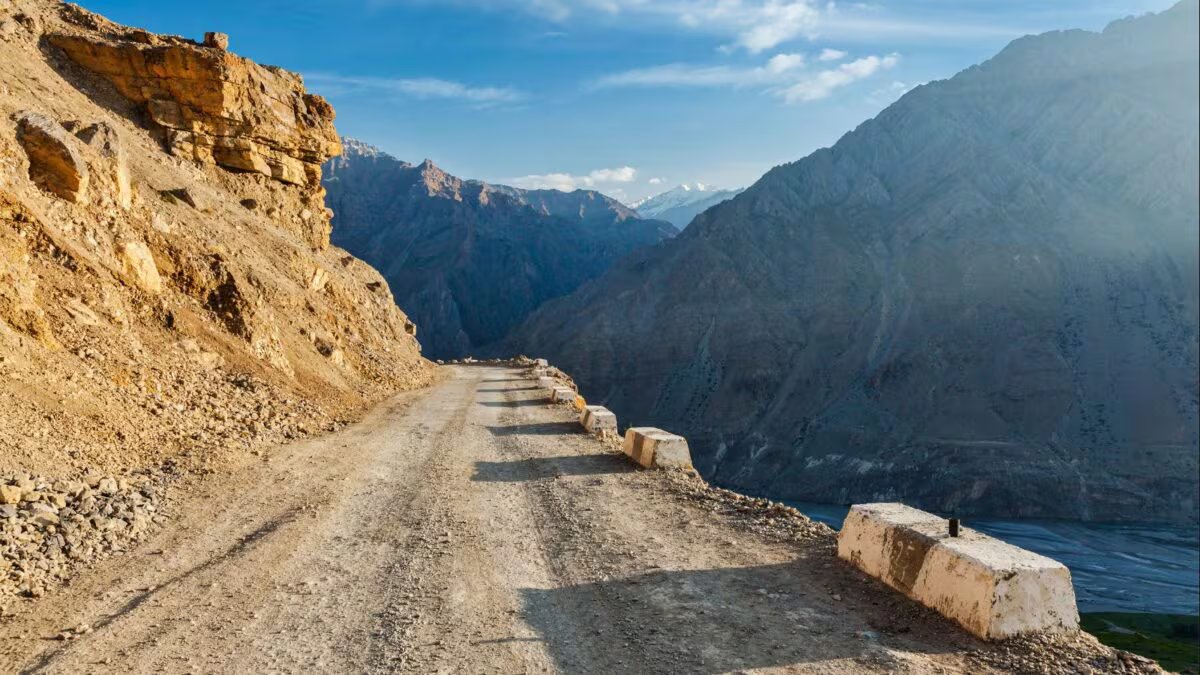
Located about 113 km from Manali, Tholand is surrounded by high rocky mountains. (File/Representative Image)
This tiny village near Manali has only 36 families and around 300 people. Even though Tholang, a small village in the Lahaul region of Himachal Pradesh is located in a remote, snow-covered area, the village has produced more than 50 successful professionals. These include IAS, IPS, and HAS officers, doctors, engineers, and people working in the fashion industry, reported Hill Post.
Located about 113 km from Manali, Tholand is surrounded by high rocky mountains. It is known for producing a large number of government officers from such a small population. In the last 40 years, eight people from Tholang have joined India’s top civil services, including three IAS officers.
Every person in Tholang is literate, and about 90% of the women are graduates, the report added. The villagers understood the importance of education early and also benefited from government schemes for tribal communities.
The first IAS officer from the village was A.N. Vidyarthi, who cleared the exam in 1968. He later became the Chief Secretary of Himachal Pradesh. His success inspired many young people from the village to aim for government jobs.
Because the village is located in a difficult mountain area, many families have moved to Kullu and Manali. Many retired residents have started businesses in the tourism and hospitality sector. People who have settled outside the village often do not return to vote. Like many villages in Lahaul and Spiti, Tholang remains cut off from the rest of the state for about six months every year because of heavy snowfall.
Earlier, there were no proper roads or electricity, and people had to travel long distances even for basic services. The village’s primary school was started by Christian missionaries in the 1920s, giving children access to education from an early stage, the report stated. The villagers believe that their difficult lifestyle made them strong and determined. Another important reason for their success was the Scheduled Tribe (ST) status, which gave them better opportunities in education and government jobs.
About the Author

A team of reporters, writers and editors brings you news, analyses and information on college and school admissions, board and competitive exams, career options, topper interviews, job notifications, …Read More
Read More