
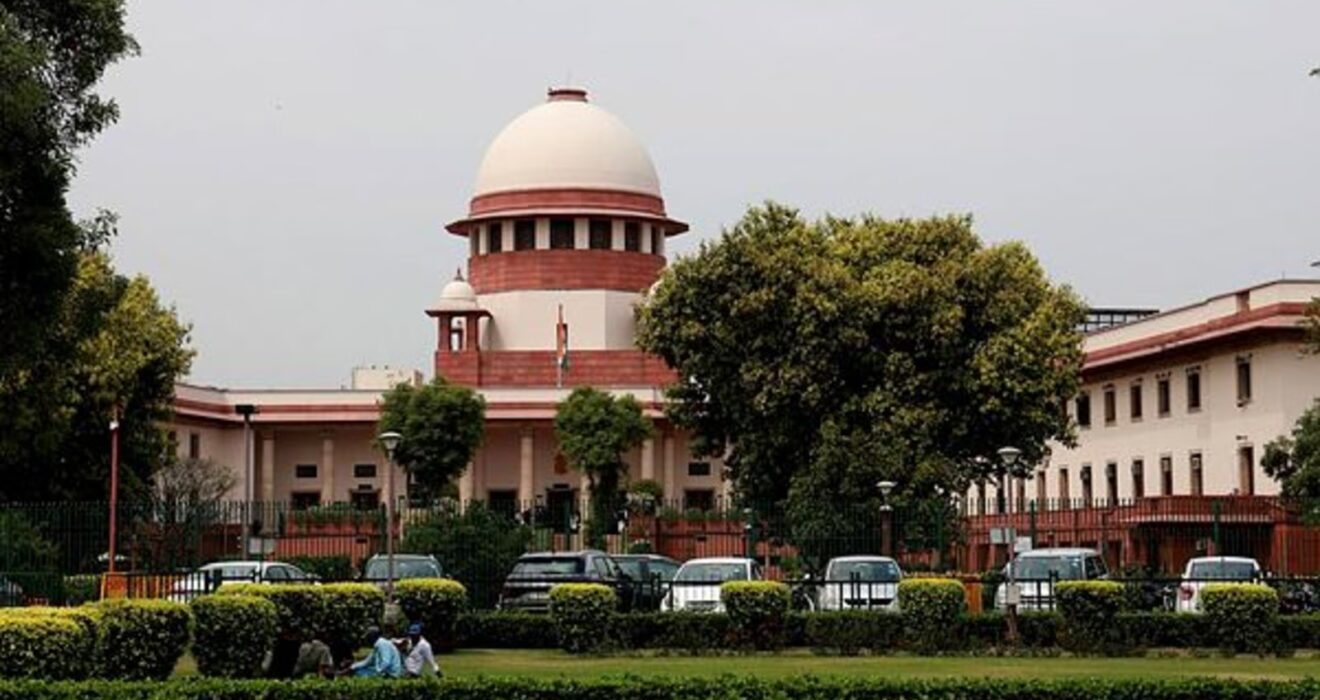
NEET UG 2026 Supreme Court hearing: NTA says 99.5% exam centres were govt-run
The Supreme Court has directed the Union of India to file an affidavit on the NEET-UG 2026 paper leak controversy. The hearing held today at 2:15 pm, under Justices PS Narasimha and Alok Aradhe, told NTA that the real problem won’t stop till actual accountability arises. As the hearing concludes, SC list the matter in the second week of July. Solicitor General Tushar Mehta also informed the Court that Prime Minister Narendra Modi is also personally supervising the case.
The National Testing Agency, in its affidavit to the Supreme Court filed late Thursday, stated that it has implemented extensive structural and security reforms in the aftermath of the NEET-UG 2026 paper leak controversy and the subsequent cancellation of the examination.
The petition seeks the dismantling and restructuring of the National Testing Agency (NTA) in connection with the alleged NEET UG 2026 paper leak. The plea is filed by the Federation of All India Medical Association (FAIMA) and United Doctors Front (UDF).
“The real problem won’t stop till actual accountability arises,” the bench observed. “It is actually very traumatic if something like this happens, not just for the students, but also their families and everybody,” the bench said, adding, “They invest so much emotion.”
What NTA’s affidavit mentions?
According to counter-affidavits filed by the NTA late on Thursday, reviewed by Indianexpress.com, both the NTA and the committee’s chairman, K. Radhakrishnan, focused their responses on the functioning of the agency and the extent to which the committee’s recommendations have been implemented.
Notably, in its response, NTA stated that 99.5% of all the examination centres for NEET UG 2026 were government centres. The exam was held on May 3 and subsequently cancelled following allegations of paper leak. The re-exam is scheduled for June 21.
READ| NEET UG cancellation: Anatomy of a leak
NTA’s response also states that the city coordinator in each of the 565 cities for the pan-India medical entrance exam was either a principal of a Kendriya Vidyalaya, a Jawahar Navodaya Vidyalaya, or a government school/college.
Story continues below this ad
In its affidavit, NTA informed the Supreme Court that the High-Powered Steering Committee reviewed the preparations for NEET-UG 2026 and recommended a series of safeguards to strengthen the examination process. These measures cover the pre-exam, during-exam, and post-exam phases, including mandatory CCTV surveillance with footage preserved for at least 90 days, mock drills at exam centres, contingency planning for adverse weather, verification of power backup systems, provision of emergency medical facilities, and detailed inspections of centres in the week leading up to the exam.
The committee also advised conducting a forensic analysis of CCTV recordings after the examination to detect irregularities or suspicious conduct that may not be visible in real time.
Interview | NTA Chief on NEET UG cancellation
As part of its restructuring efforts, NTA created 16 new senior-level posts, including Director and Joint Director positions. Two officers at the Joint Secretary level have been appointed as Additional Director Generals, tasked with overseeing technology operations and test security. In March 2026, a Secretary-level officer was also appointed as the Director General of NTA.
To strengthen examination management and security, the agency has engaged domain experts from IITs, UGC, CBSE, KVS, and IGNOU. On the coordination front, NTA highlighted the formation of State-Level Coordination Committees (SLCCs) and District-Level Coordination Committees (DLCCs) across the country to ensure the secure conduct of exams.
Story continues below this ad
According to its affidavit, by the time NEET-UG 2026 was held on May 3, a total of 18 SLCCs and 621 DLCCs had been operationalised. These committees included officials from the administration, police, intelligence agencies, NIC, and NTA, working together to enhance surveillance and coordination during examinations.
Earlier, on Monday, the top court said it was “sad that NTA has not learned lessons from the earlier NEET paper leak.” The bench of Justices PS Narasimha and Alok Aradhe had instructed that the NTA file an affidavit by Thursday on compliance with the directions issued by the court in 2024, while further directing the chairman of the monitoring committee to ensure compliance with its direction.
In its plea, FAIMA argued that the widespread paper leak allegations and the subsequent cancellation of the NEET UG 2026 examination reflected a “systemic failure” on the part of the NTA in ensuring the integrity and security of one of the country’s largest entrance examinations.
What are the petitioners seeking?
According to an earlier Indianexpress.com report, the petitioners have sought multiple directions from the Supreme Court aimed at overhauling the examination system and ensuring greater transparency and security in future medical entrance tests.
Story continues below this ad
Among the key demands in the plea is a direction to replace or fundamentally restructure the NTA with a “robust, technologically advanced and autonomous body” for conducting NEET UG examinations.
The plea has also sought the appointment of a high-powered monitoring committee comprising a retired Supreme Court judge, a cybersecurity expert, and a forensic scientist. According to the petitioners, the committee should supervise the re-conduct of NEET UG 2026 until a proposed National Examination Integrity Commission (NEIC) is formally constituted to oversee the examination process.
FAIMA and UDF have further requested the court to direct the NTA, or any newly appointed examination body, to strictly implement the recommendations of the K Radhakrishnan Committee, which was constituted after the NEET 2024 controversy, to suggest reforms for improving the functioning of the testing agency.
https://www.youtube.com/watch?v=6OP_knh81GU
The petition additionally seeks a re-conduct of the NEET UG 2026 examination under the scrutiny of a judicially monitored committee until the proposed NEIC or an interim oversight panel verifies and certifies the security of the revised examination process.
Story continues below this ad
Another major demand in the plea is the introduction of “digital locking” of question papers and a transition to a Computer-Based Test (CBT) model. The petitioners argued that such measures would eliminate physical chain-of-custody risks associated with the transportation and handling of question papers.
The plea has also sought directions to the Central Bureau of Investigation (CBI) to submit a status report on the NEET paper leak probe, including details of the network identified, arrests made, individuals charged, and the progress of prosecution in the case.
NEET UG 2026 was conducted earlier this month for medical aspirants across the country. The controversy surfaced after allegations of a paper leak emerged from multiple centres, prompting widespread protests and demands for the cancellation of the examination. The issue subsequently escalated with calls for a court-monitored probe and scrutiny of the NTA’s examination processes, drawing attention to concerns over exam security and transparency.
— with inputs from PTI