
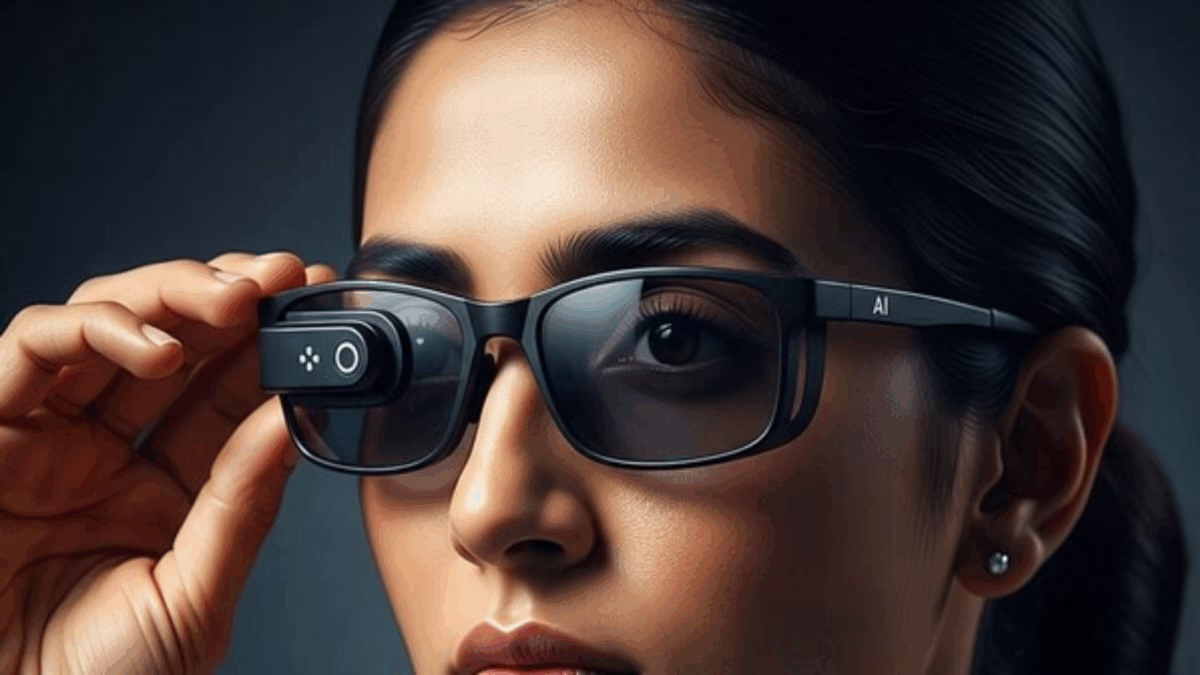
Pune’s ‘Munnabhai’ Moment: Students Caught Cheating With Meta Ray-Bans
A high-tech cheating case at a leading engineering college in Pune has exposed a disturbing new challenge for India’s education system and raised wider concerns about the misuse of AI-powered wearable technology. Students appearing for semester examinations at the Symbiosis Institute were allegedly caught using Ray-Ban Meta Smart Glasses to secretly transmit question papers and receive answers from people outside the examination hall. What looked like ordinary spectacles reportedly turned out to be smart glasses fitted with hidden cameras, microphones and audio systems. Invigilators became suspicious after noticing unusual behaviour from some students, who repeatedly adjusted their glasses during the exam. An inspection allegedly revealed that the devices were being used to send live images of question papers to helpers outside, who then communicated answers back through built-in audio features. The students were suspended, the devices were confiscated and the institute launched an internal inquiry while also considering legal action.
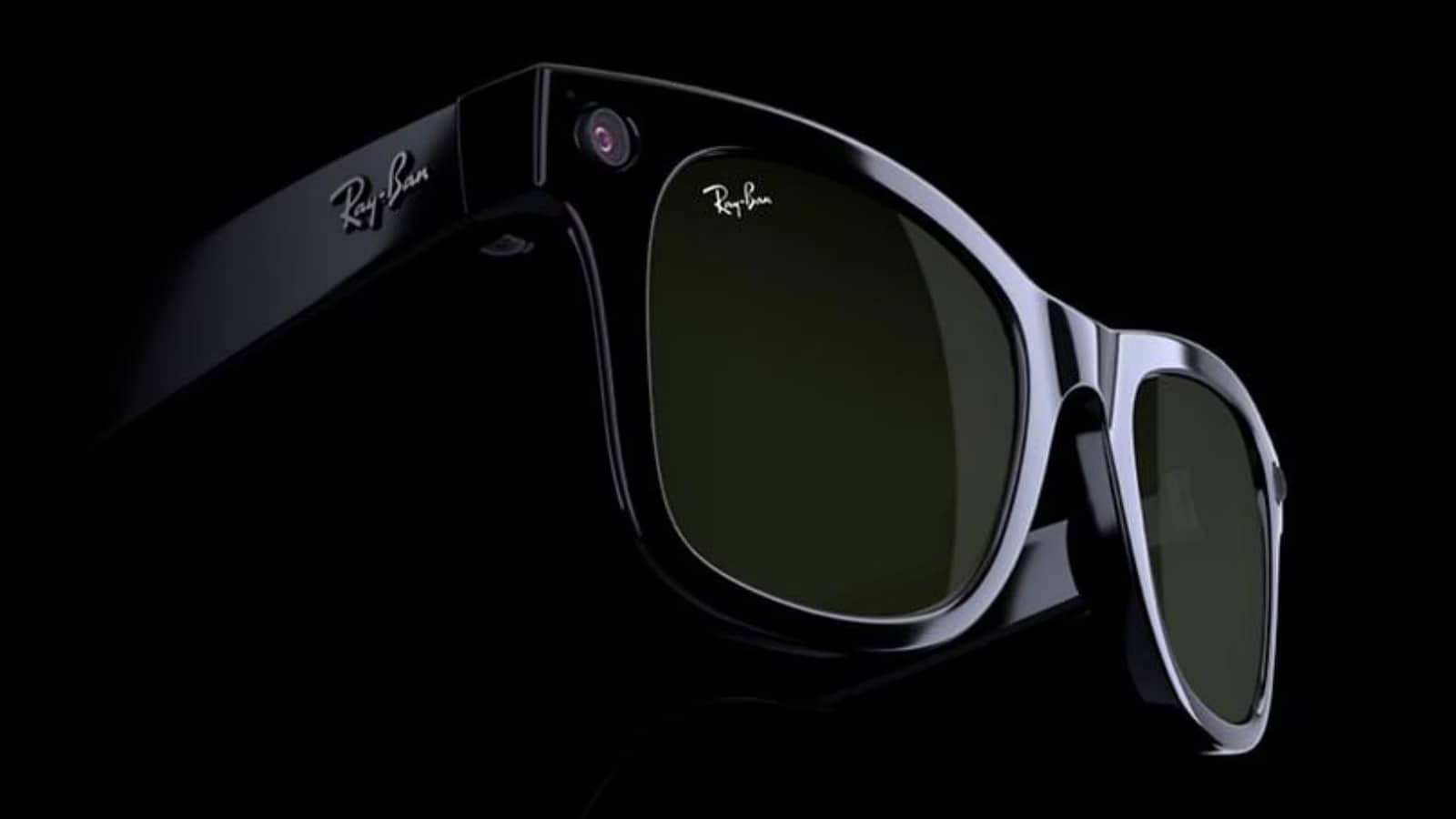
The Dangerous Ways Meta Ray-Ban Glasses Are Being Misused: The Pune incident has reignited global concerns about how AI-enabled smart glasses can be exploited far beyond classroom cheating. Experts warn that devices like Meta Ray-Ban glasses combine cameras, internet connectivity, microphones and real-time communication tools in products that appear almost identical to normal eyewear, making them extremely difficult to detect. One of the most alarming cases emerged after the New Orleans attack involving Shamsud-Din Jabbar. Investigators found that he had allegedly used Meta smart glasses months earlier to scout and record parts of the French Quarter in October 2024 while staying nearby. Authorities later revealed he was also wearing the glasses during the attack itself, intensifying concerns about wearable surveillance technology.

In another widely discussed incident in 2024, two students from Harvard University demonstrated how Meta smart glasses could be combined with publicly available facial recognition software to identify strangers in real time. The system reportedly scanned faces within the wearer’s field of vision, searched for online matches and instantly displayed personal information linked to those individuals. Privacy concerns deepened further in October 2025 after reports surfaced that a man in San Francisco had allegedly used Meta smart glasses to secretly film women at the University of San Francisco campus. Around the same period, a separate BBC investigation found multiple male influencers covertly recording women using the glasses for online content, raising ethical concerns about consent and surveillance in public spaces.

Educational institutions are also increasingly worried about the devices becoming tools for organised cheating. Reports from China during 2025 and 2026 suggested students were using AI-enabled smart glasses to scan examination questions and receive answers directly through integrated displays. In one case, a university student allegedly turned the technology into a business by renting the glasses to classmates for exams.

Fresh controversy also emerged earlier this year after Swedish media investigations claimed that footage recorded through Meta smart glasses, including highly private moments involving users undressing, handling financial documents or engaging in intimate activities, had allegedly been reviewed by contractors at a subcontractor facility in Nairobi, Kenya. The concerns have even reached courtrooms in the United States. A lawsuit filed in 2025 accused Meta Platforms of misleading consumers through marketing phrases such as “designed for privacy, controlled by you”, while sensitive user recordings were allegedly accessible to external reviewers.
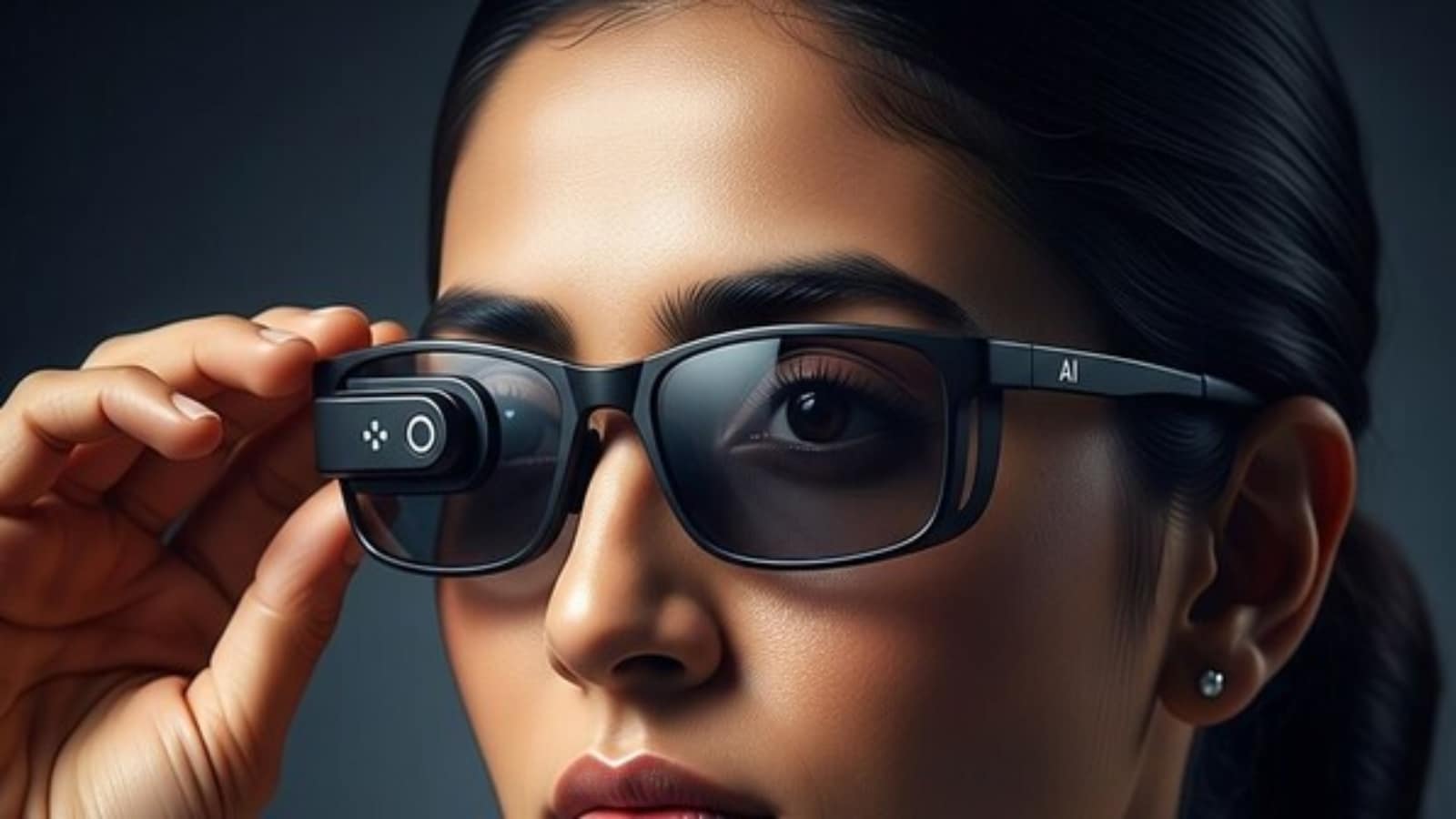
Security experts now warn that traditional measures such as metal detectors may no longer be enough to identify modern wearable devices hidden in ordinary-looking accessories. Schools, universities, competitive examination bodies and even workplaces may soon require stricter screening systems for spectacles and wearable technology as AI-powered gadgets become increasingly sophisticated.