
India’s Education System Needs More Than Solutions, Study Finds | Education and Career News
Last Updated:
The study also stresses the importance of “working with the system” rather than attempting to operate around existing public institutions.




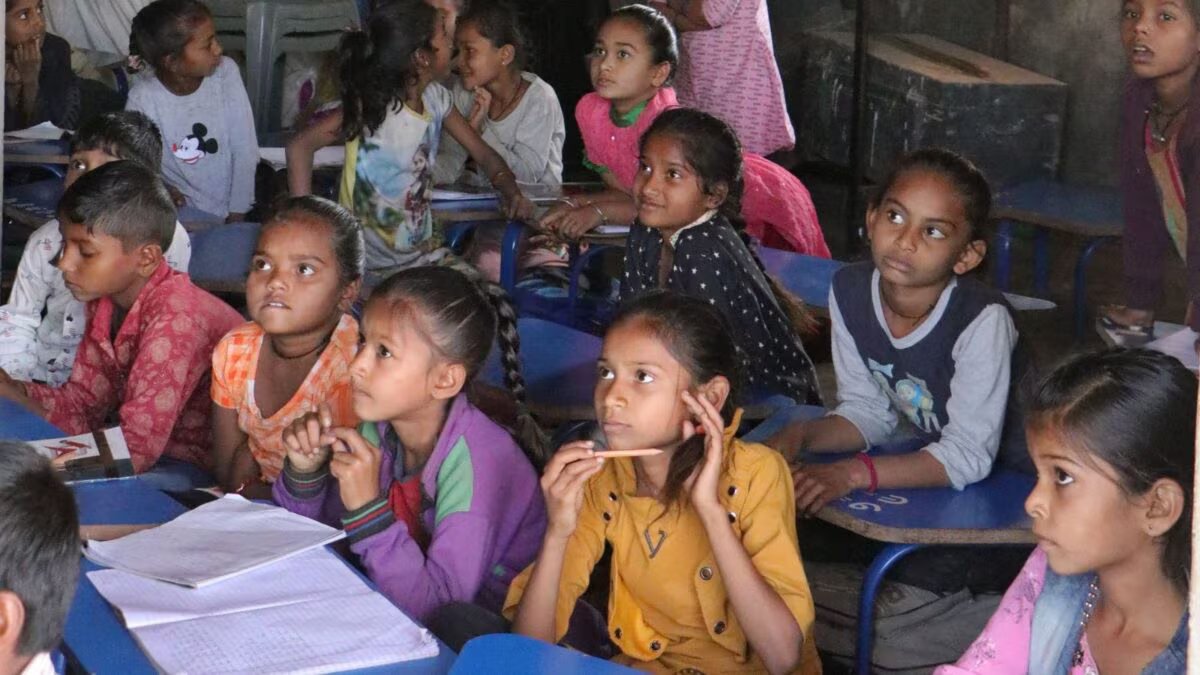
The study warns that poorly designed partnerships can create additional challenges. (Image: Pexels)
A new research playbook by the Government Outcomes Lab (GO Lab) at the University of Oxford’s Blavatnik School of Government has examined how governments and civil society organisations can collaborate to drive lasting change in education systems. The research draws on the experience of Shikshagraha, a people-powered movement focused on strengthening India’s public education system.
Titled Orchestrating Education System Change: Insights from the Shikshagraha Movement, the playbook examines the factors that can help government–civil society partnerships support education reform, the challenges that can limit their effectiveness and what is required to sustain such efforts at scale.
The research identifies three key considerations for successful partnerships: clearly defining roles, working within and alongside existing systems, and building trust among stakeholders.
The study warns that poorly designed partnerships can create additional challenges. Dependence on external organisations, an accumulation of initiatives that increase the workload of schools, and competition or inflexibility among partners can hinder efforts to achieve system-wide change.
“India does not have an education-solutions problem; it has a system-change problem. Across the country, teachers, communities, school leaders and civil society organisations are already developing solutions that work. But no single solution, however effective, can transform a public system on its own. The real challenge is creating the conditions for these efforts to connect, learn from one another, adapt to local contexts and contribute to lasting change at scale,” said Khushboo Awasthi, Chief Curator, Shikshagraha.
“System change is not achieved by working around public systems. It requires actors to work with the system — understanding how it operates, navigating its constraints, while also challenging and reshaping practices that stand in the way of better outcomes,” said Harry Bregazzi, Postdoctoral Research Fellow and author of the playbook.
The playbook also stresses the importance of “working with the system” rather than attempting to operate around existing public institutions. This involves understanding established structures, priorities and constraints while identifying practices that may need to be challenged or changed.
Quick Answers
 Ask News18
The research playbook examines how governments and civil society organizations can collaborate to drive lasting change in education systems, drawing on the experience of Shikshagraha in India.
Ask News18About the Author

A team of reporters, writers and editors brings you news, analyses and information on college and school admissions, board and competitive exams, career options, topper interviews, job notifications, …Read More
September 22, 2026, 12:59 IST
Read More