
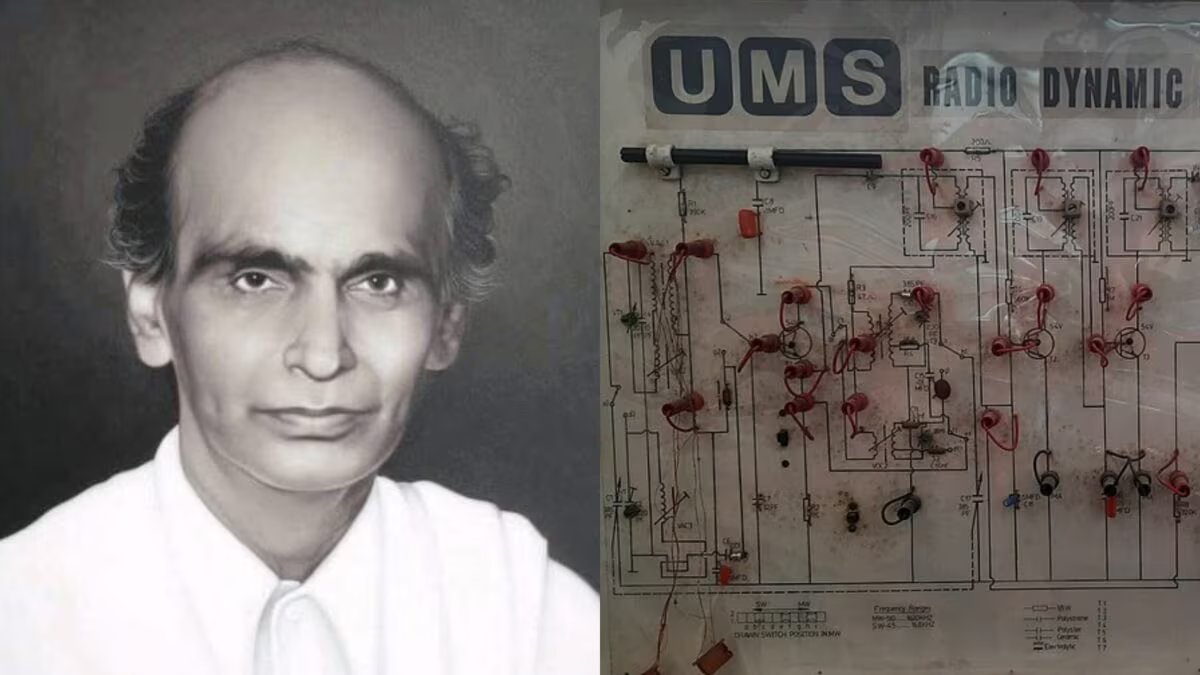
Who Is Known As ‘India’s Edison’? A School Dropout Who Invented Country’s First Indigenous Electric Motor
GD Naidu or Gopalswamy Doraiswamy Naidu is known as the ‘Edison Of India’ or ‘India’s Edison’. During his lifetime, Naidu worked on several inventions in multiple fields like electrical, agricultural, mechanical and automobile. Born on 23 March 1893 in a Telugu-speaking family, Naidu lost his mother a few months after his birth. The young Naidu was never interested in studies and hence chose to drop out in the third standard. (Image: Instagram)
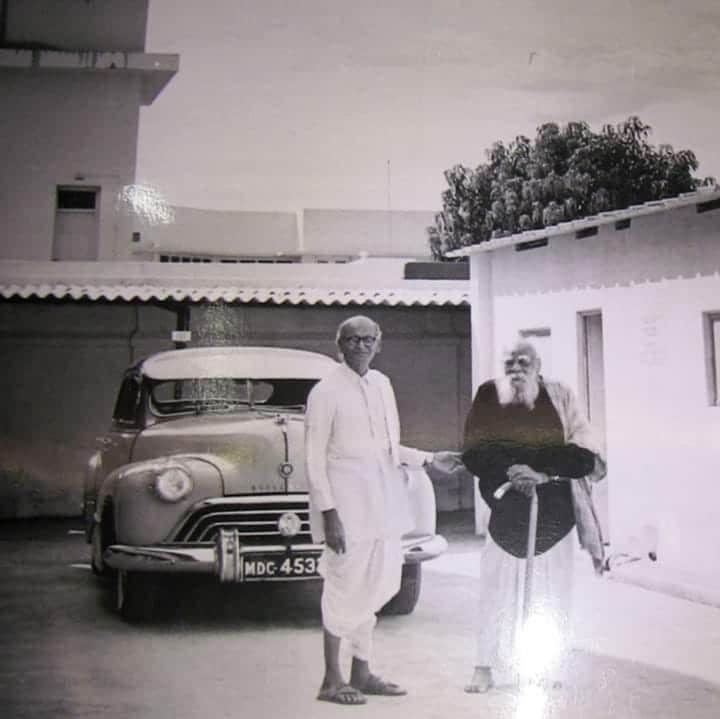
While he was working on his father’s farm, 16-year-old Naidu laid eyes on a 1912 model Rudge motorcycle that belonged to a British revenue officer. He was so smitten by the vehicle that he left his village, Kalangal, and moved to Coimbatore. He worked hard for 3 years at a hotel and saved enough money to buy the bike. He purchased it for Rs 300 and today, a century later, the bike is preserved in a Coimbatore museum named after GD Naidu. (Image: X)
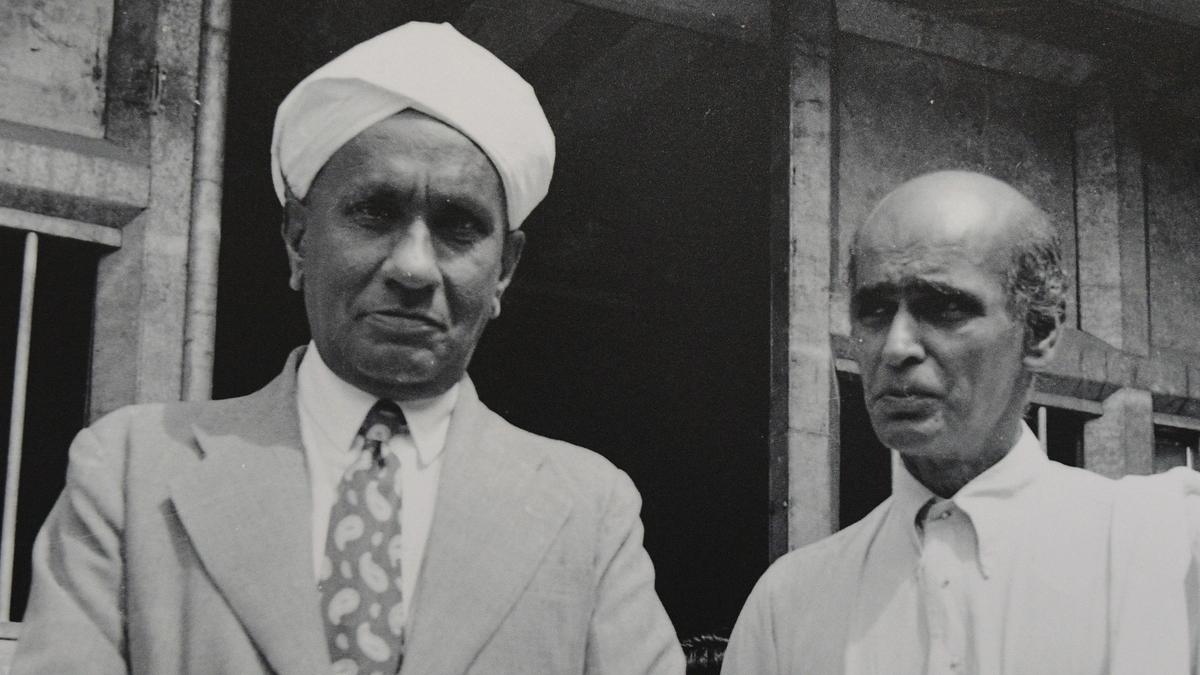
He dismantled the bike multiple times to study its design and structure. This is how he learnt automobiles. Later, he also worked as a mechanic for some time before joining a cotton mill. Through self-learning, he went to establish his cotton business which failed when he tried to expand it in Bombay. A Coimbatore-based industrialist, Robert Stanes, forwarded a loan of Rs 4000 to Naidu to help him buy a motor coach with which he began his transport business in 1920. (Image: Instagram)
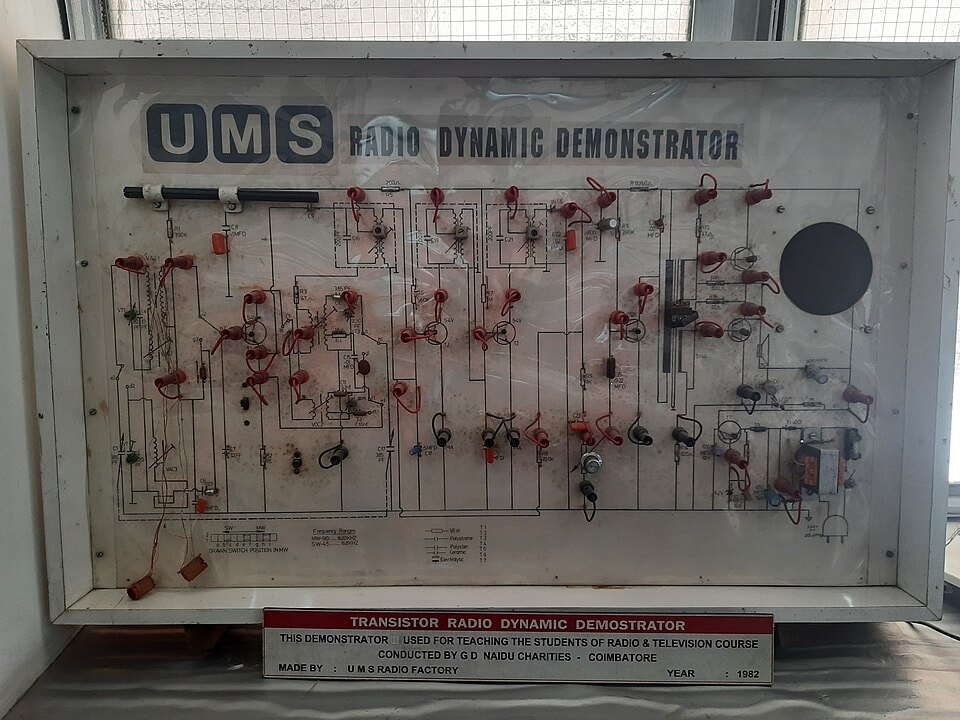
G.D. Naidu revolutionized Indian industry through self-taught innovation and entrepreneurship. Expanding his transport empire, Universal Motor Service, to 280 buses by 1933, he built specialized companies for every invention. In 1930, his New Electric Works produced India’s first electric motor. Naidu established numerous ventures—including Universal Radiators and UMS Radio Industry—generating widespread employment. Focused on practical utility, he developed electric razors, thin shaving blades, fruit juice extractors, voting vending machines, and affordable five-valve radios. (Image: Wikimedia Commons)
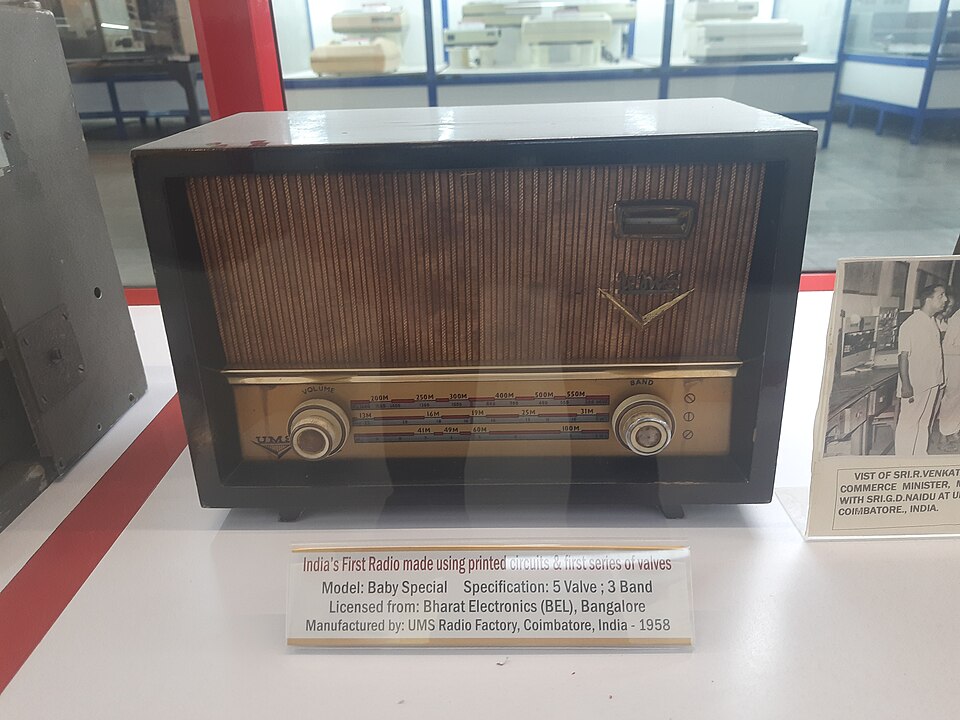
Retiring in 1944 to focus on philanthropy, G.D. Naidu dedicated his later life to societal welfare, employee schemes, and funding promising researchers. He established the Industrial Labour Welfare Association to integrate practical training into higher education and helped establish India’s first polytechnic college, Arthur Hope Polytechnic, in 1945. He passed away on January 4, 1974. (Image: Wikimedia Commons)
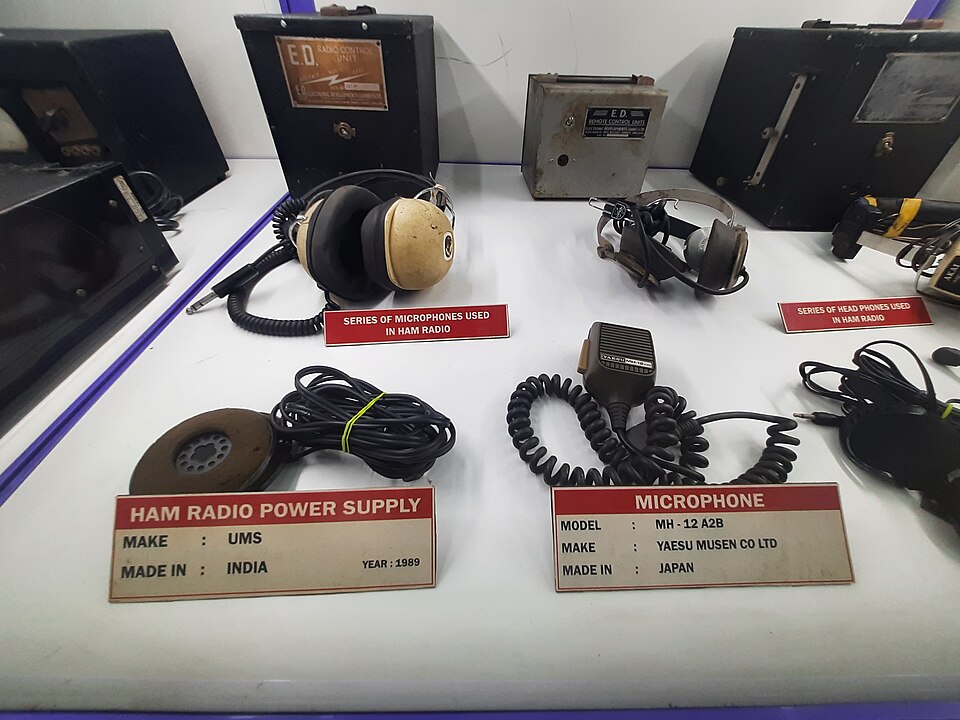
He is renowned for path-breaking creations, including a kerosene-powered fan, projection TV, mechanical calculator, ticket vending machine, electric razor, and most significantly, India’s first electric motor. (Image: Wikimedia Commons)