

‘Singham’ Officer Tukaram Mundhe & The IAS Reformers Behind India’s Biggest Changes
Success Stories: Behind many of India’s landmark reforms and governance success stories are civil servants whose work has had a lasting impact on millions. From fighting corruption and illegal mining to improving water security, digitising governance and strengthening elections, several Indian Administrative Service (IAS) officers have become synonymous with transformative public service. Here’s a look at some of India’s most well-known IAS officers and the initiatives that made them stand out.
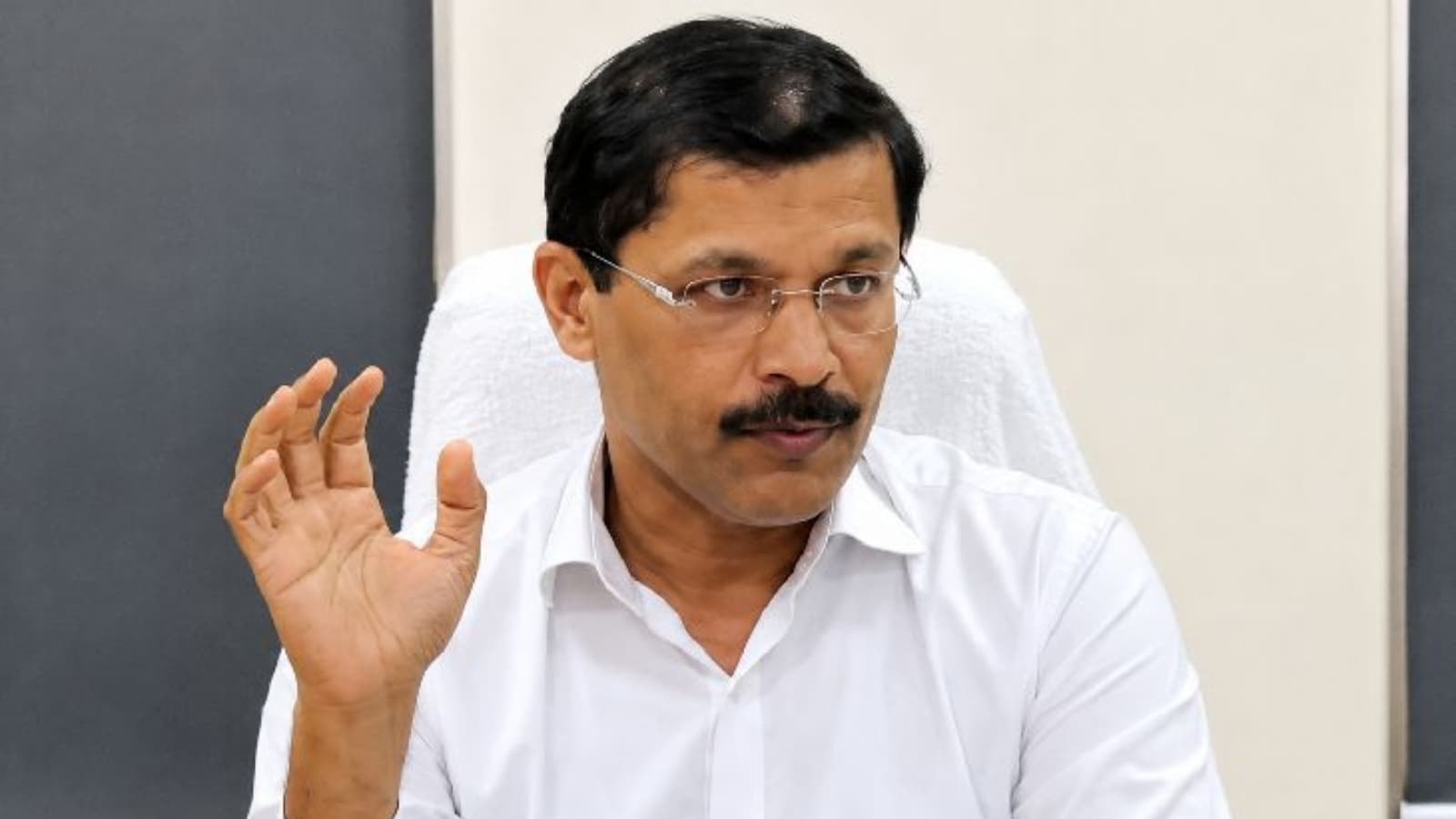

Armstrong Pame: Often referred to as the ‘Miracle Man’, Armstrong Pame transformed connectivity in Manipur’s Tamenglong district by constructing a 100-km road without government funding. Built entirely through community contributions and voluntary support, the project improved access to healthcare, education and markets for thousands of residents, making it one of India’s most celebrated examples of people-led development.
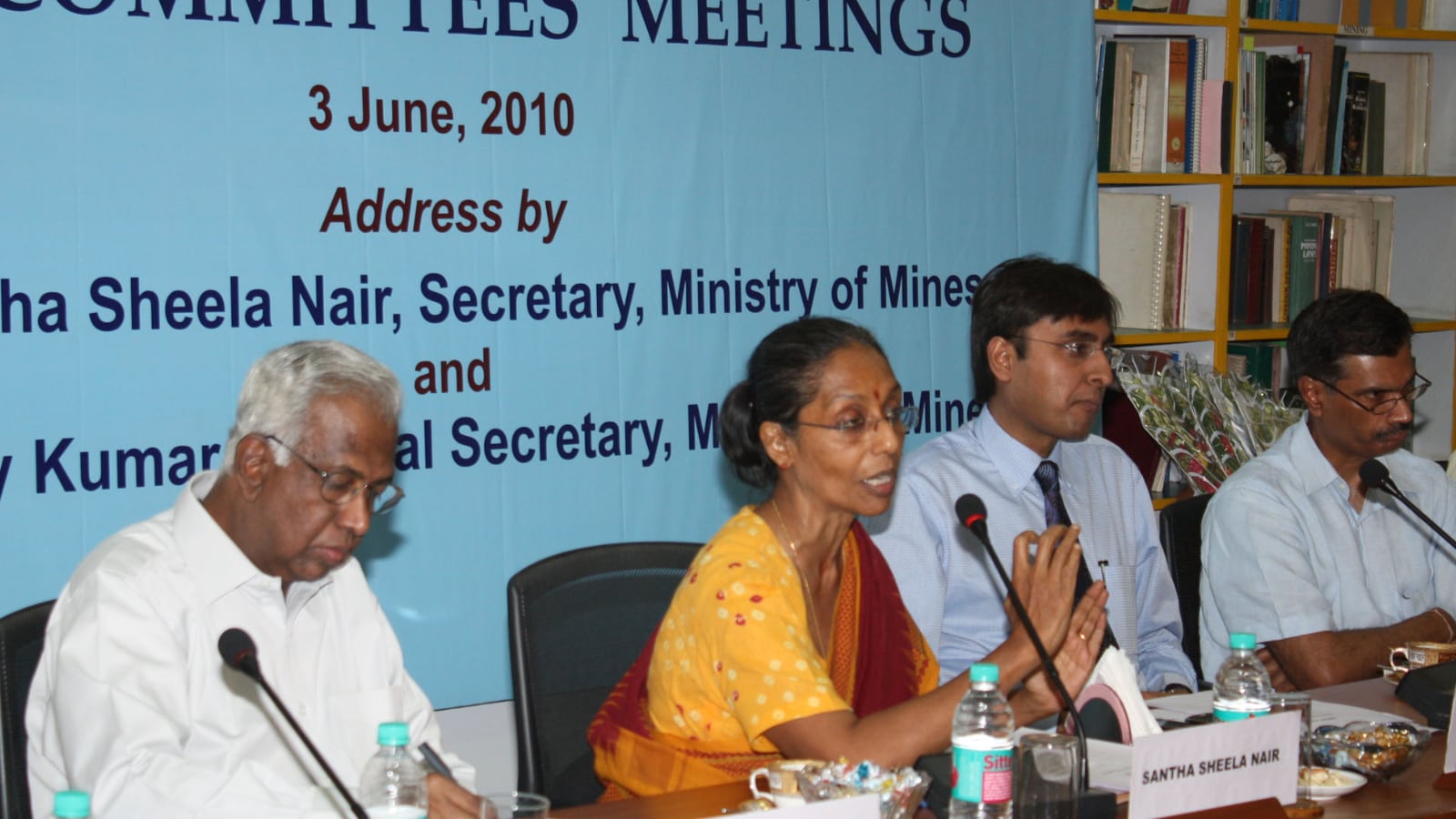
Santha Sheela Nair: A 1973-batch IAS officer, Santha Sheela Nair played a pivotal role in making rainwater harvesting mandatory across Chennai. The initiative, which required households to install rainwater harvesting systems, is credited with helping the city overcome a severe water crisis in the early 2000s. Her work reportedly earned such admiration that some villagers named their daughters ‘Santha’ in her honour.
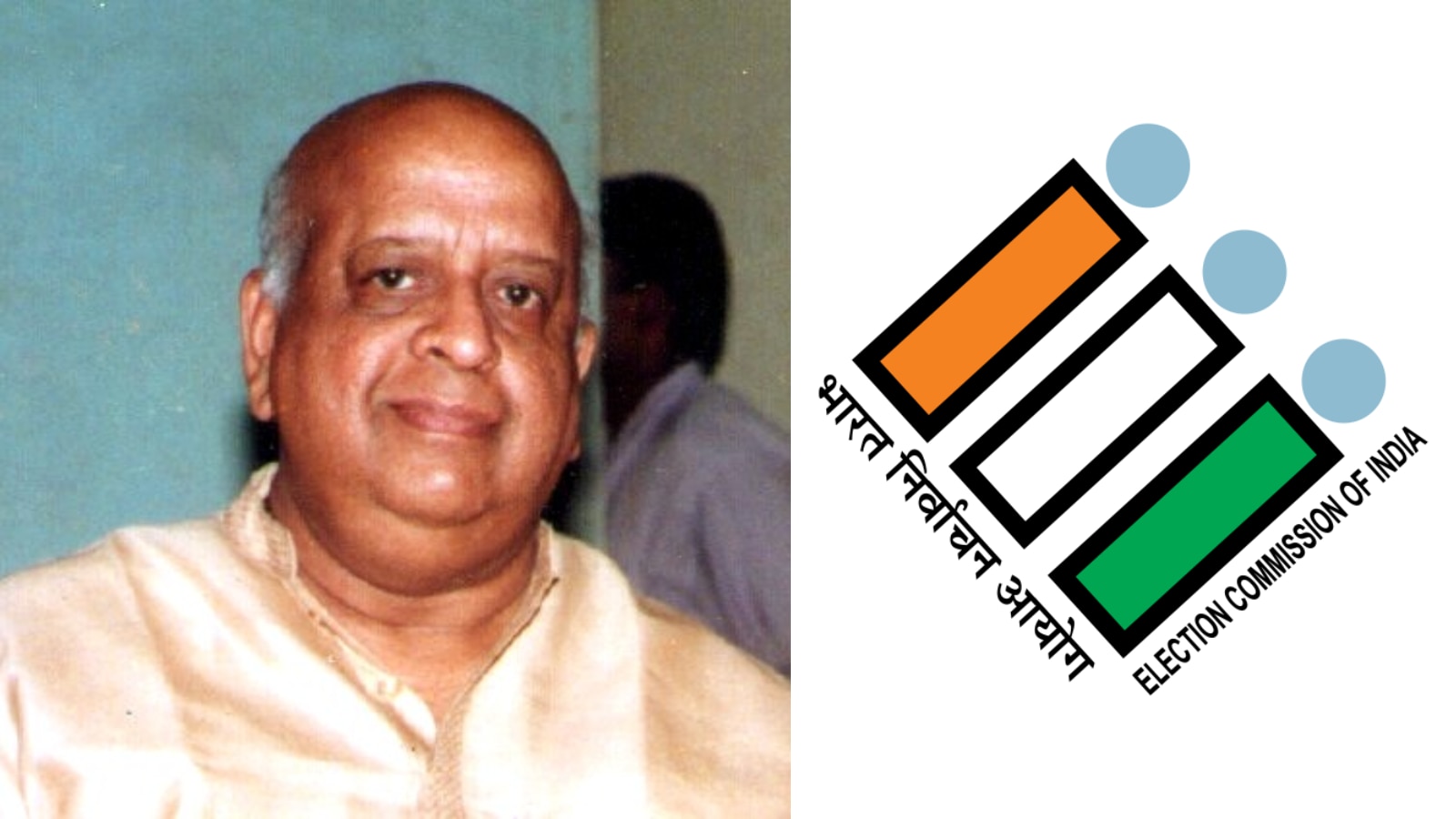
TN Seshan: Although best known as India’s Chief Election Commissioner, TN Seshan was an IAS officer whose reforms transformed the country’s electoral system. He enforced the Model Code of Conduct with unprecedented rigour, curbed the influence of money and muscle power during elections and played a key role in introducing voter identity cards. His tenure is widely regarded as a turning point in ensuring free and fair elections in India.

Aruna Sundararajan: A Kerala cadre IAS officer, Aruna Sundararajan helped shape the state’s digital transformation through pioneering e-governance initiatives. Described by Forbes as “an IAS officer who thinks like a businesswoman”, she also played a key role in expanding the Kudumbashree mission, creating sustainable livelihood opportunities for women through self-help groups.
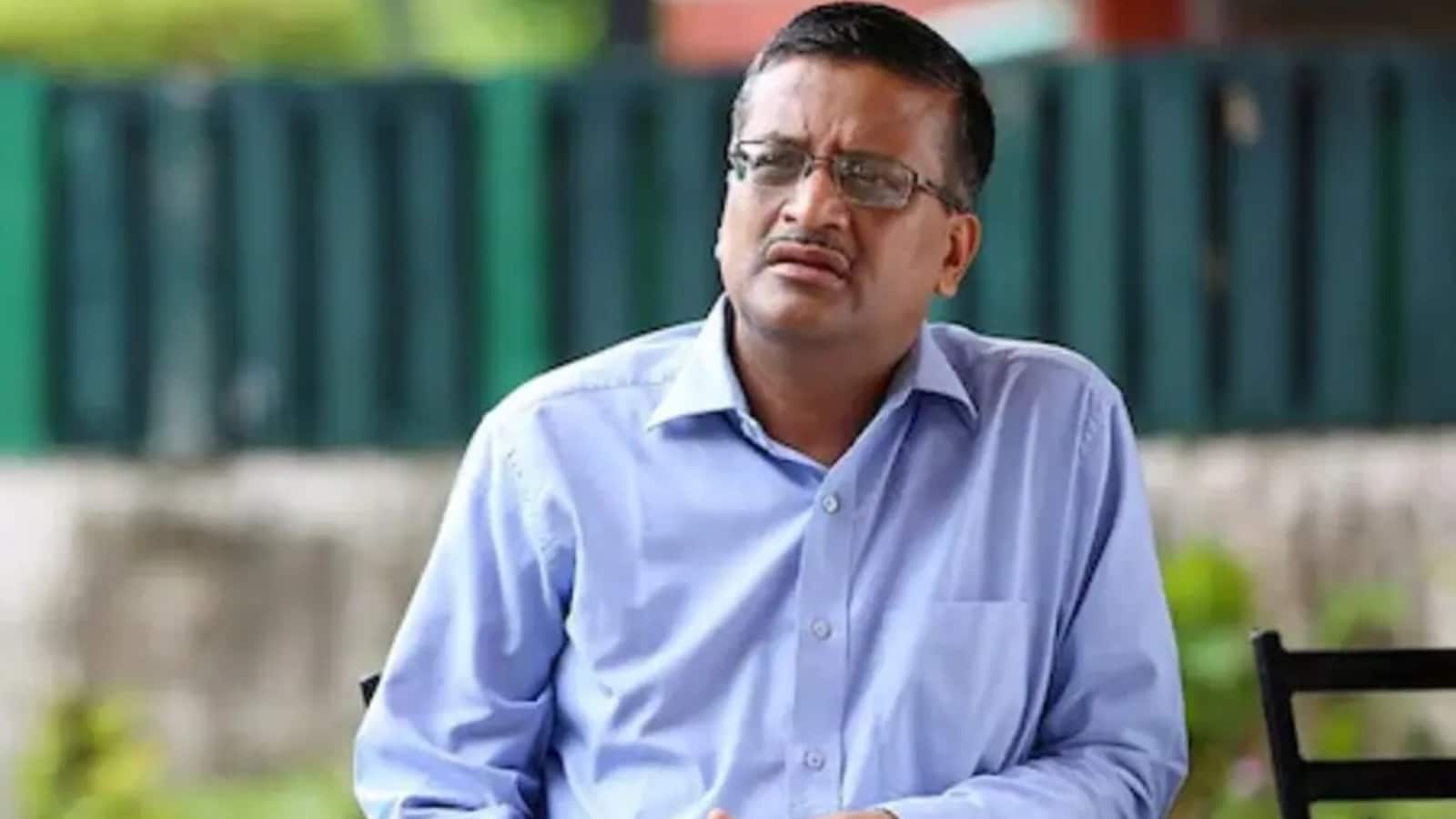
Ashok Khemka: Haryana cadre IAS officer Ashok Khemka is best known for his fight against corruption and commitment to administrative transparency. He came into the national spotlight after cancelling an alleged illegal land deal linked to a relative of a prominent political figure. Over his career, Khemka has reportedly been transferred more than 50 times. He received the S R Jindal Prize in 2011 for his contribution to public service.

Smita Sabharwal: A 2001-batch Telangana cadre IAS officer, Smita Sabharwal is popularly known as the “People’s Officer”. She introduced initiatives such as Fund Your City, encouraging public-private partnerships for urban development. She also became the first woman IAS officer to be appointed to the Telangana Chief Minister’s Office and has received multiple awards for digital governance and public administration.

Ira Singhal: Ira Singhal topped the UPSC Civil Services Examination in 2014, securing All India Rank 1 on her fourth attempt. Living with scoliosis, she became the first woman with a disability to top the examination. Beyond her administrative career, she serves as the Brand Ambassador for the Department of Disability under the Ministry of Social Justice and Empowerment and continues to advocate for inclusion and accessibility.

Durga Shakti Nagpal: A 2010-batch IAS officer, Durga Shakti Nagpal shot to national prominence in 2013 during her posting in Noida. She launched a crackdown on illegal sand mining, taking on a powerful network involved in unlawful extraction. Her actions brought national attention to environmental degradation and the challenges faced by officers enforcing the law against entrenched interests.
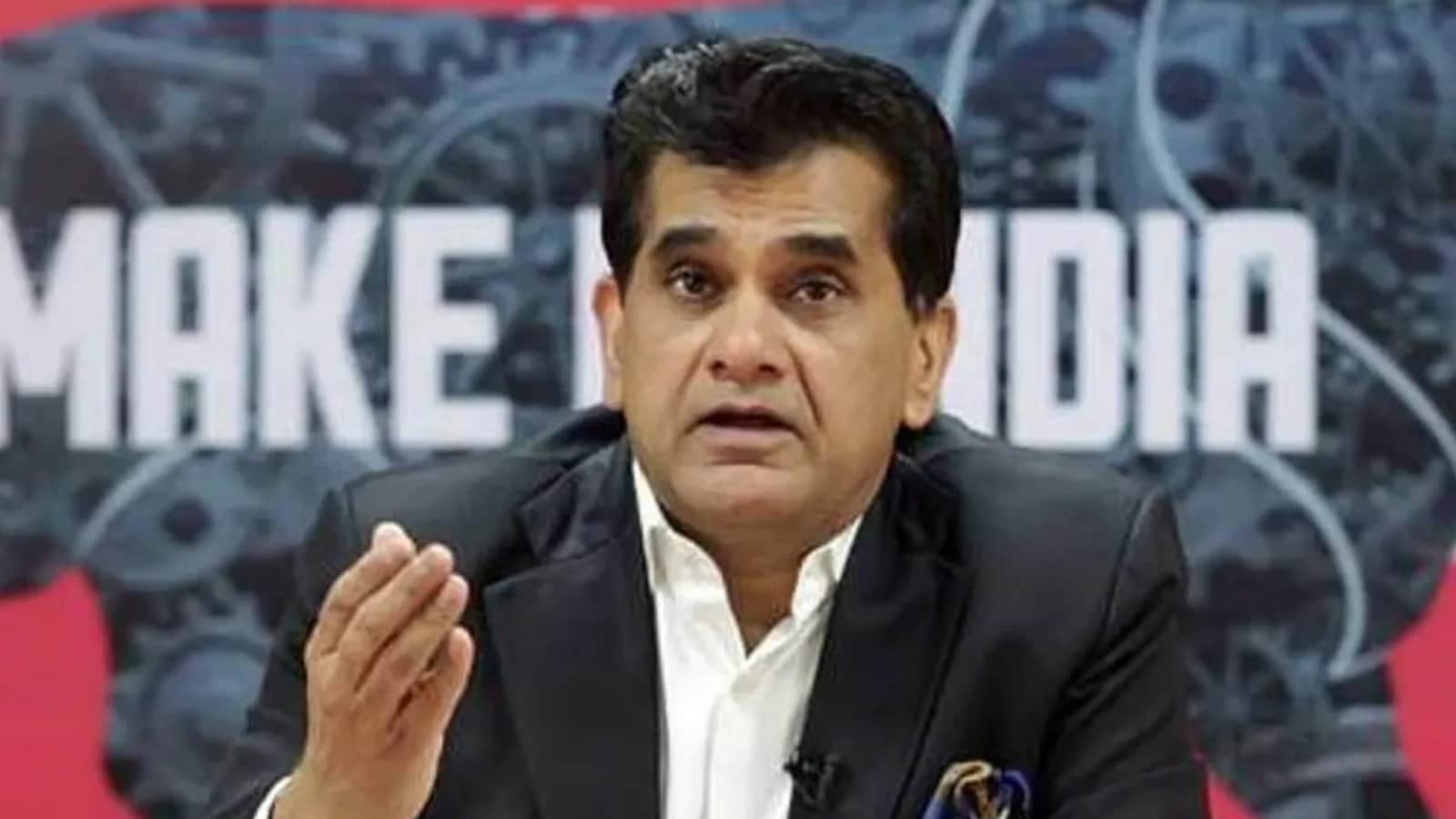
Amitabh Kant: A 1980-batch Kerala cadre IAS officer, Amitabh Kant is recognised for reshaping India’s tourism and development narrative. He conceptualised the globally acclaimed Incredible India campaign and helped establish Kerala: God’s Own Country as one of the world’s leading tourism brands. Later, as CEO of NITI Aayog, he spearheaded the Aspirational Districts Programme, aimed at accelerating development in some of India’s most underdeveloped districts.
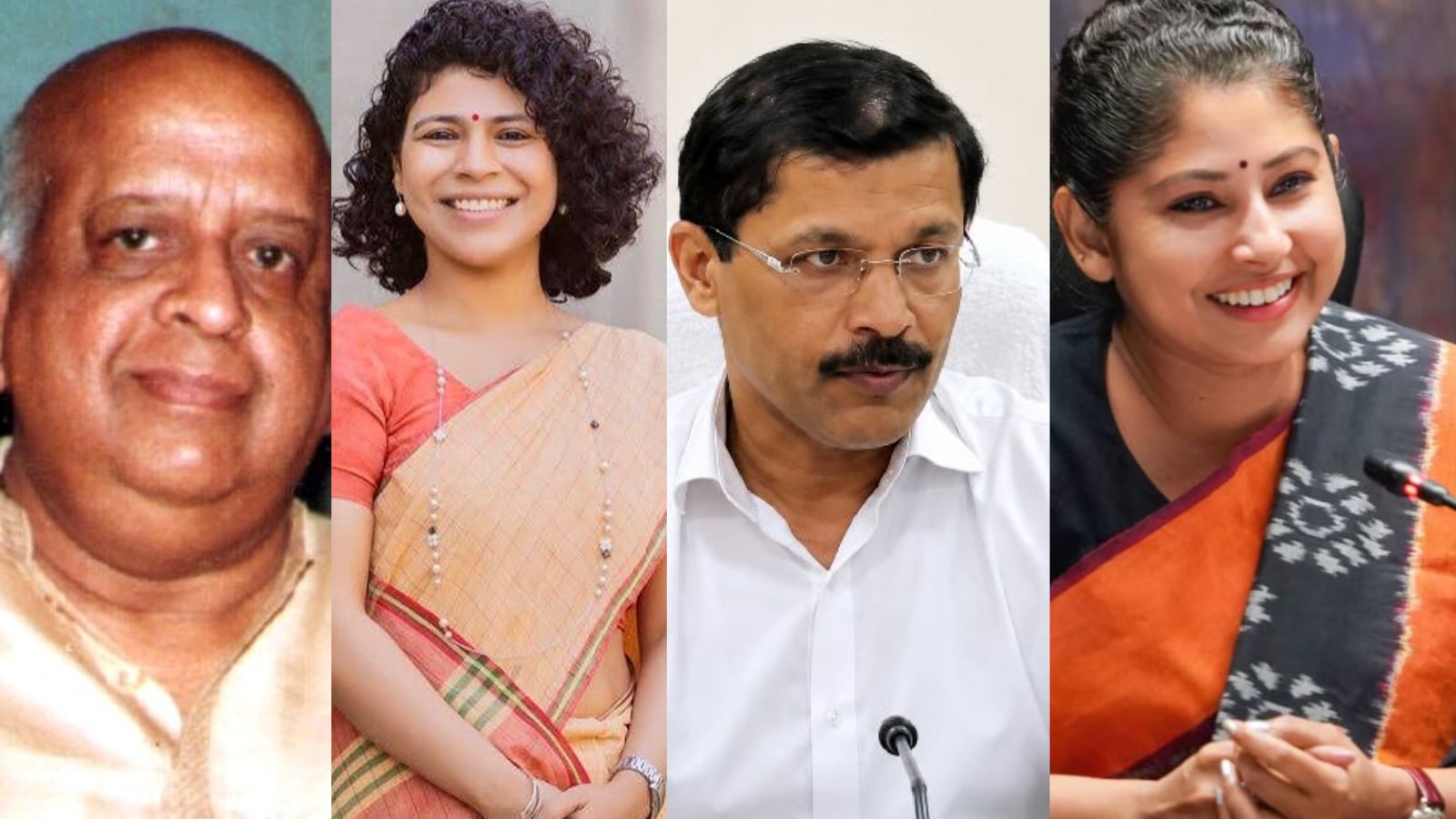
A Legacy Of Public Service: While their areas of work differ, from electoral reforms and anti-corruption drives to digital governance, environmental protection and rural development, these IAS officers have demonstrated how determined public service can shape policy, improve governance and leave a lasting impact on society. Their careers continue to inspire aspiring civil servants and highlight the vital role of India’s bureaucracy in nation-building.