
SC to hear plea against CBSE’s evaluation scheme for Gulf Class 12 students | Education News
3 min readNew DelhiJul 9, 2026 11:18 AM IST
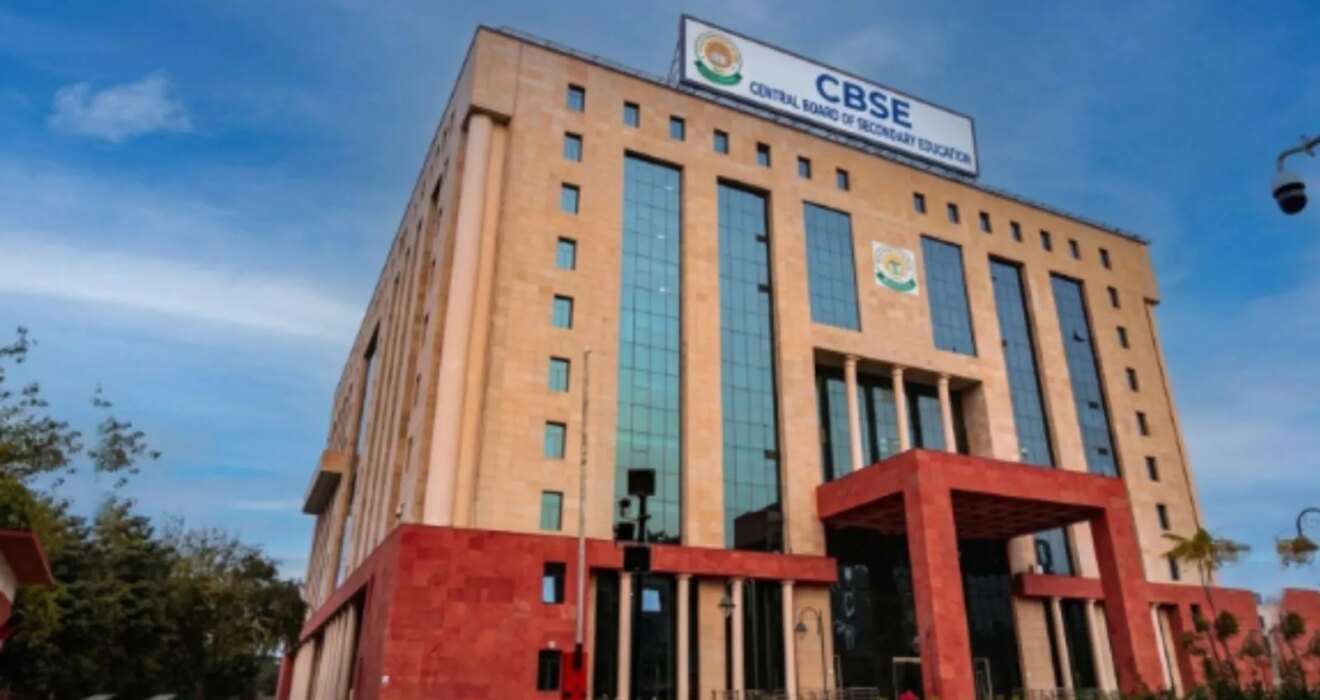
The Supreme Court on Wednesday agreed to hear petitions challenging the Central Board of Secondary Education’s (CBSE) assessment scheme for Class 12 students in Gulf countries whose board examinations were cancelled due to the Iran-US conflict.
A bench of Justices KV Viswanathan and Alok Aradhe issued notices to the Centre and the CBSE on a plea filed by 30 regular students seeking changes to the board’s March 27, 2026, evaluation policy. The top court also sought responses on a separate petition filed by a Class 12 student challenging the June 21 assessment policy for private candidates affected by the cancelled examinations.
Appearing for the petitioners, advocate Raj Kishor Choudhary told the bench that students were dissatisfied with the assessment formula adopted by the CBSE. The court directed that copies of the petitions be served on the office of Solicitor General Tushar Mehta and listed the matter for hearing on July 14. Advocate Vineet Jindal also appeared for the petitioners.
In their plea, the 30 students have sought the quashing or modification of the March 27 assessment scheme, arguing that it is unfair and discriminatory. They have urged the court to direct the CBSE to adopt a transparent and equitable evaluation mechanism.
The petitioners have also requested the apex court to order the CBSE to conduct a special fresh examination and a special improvement examination for all affected students across subjects, without limiting the number of papers they may appear for. They have further sought permission for students to retain whichever result is more favourable.
Earlier, on June 22, the Centre informed the apex court that the CBSE had introduced a new evaluation policy for private candidates affected by the cancellation of Class 12 board examinations in the Gulf region.
Solicitor General Tushar Mehta, appearing for the Centre and the CBSE, said the June 21 policy was framed to address the concerns of private candidates who could not be assessed under the original March 27 scheme because they lacked school-based internal assessment records.
Story continues below this ad
Under the revised policy, marks for subjects in which examinations could not be conducted will be calculated using a weighted formula: 40 per cent of the theory marks obtained in the Class 10 board examination and 60 per cent of the theory marks obtained in the candidate’s last attempted Class 12 board examination.
Mehta had told the court that two groups were affected by the cancellation of examinations in the seven Gulf countries—regular school students and private candidates. While regular students could be assessed using school records such as pre-board and internal examination marks, private candidates did not have such records, necessitating a separate evaluation formula.
The Supreme Court was then hearing a separate petition filed by a private candidate from Al Jubail, Saudi Arabia, who challenged the CBSE’s failure to declare his Class 12 improvement examination result under the original assessment scheme.
The CBSE had cancelled Class 12 board examinations in Bahrain, Iran, Kuwait, Oman, Qatar, Saudi Arabia and the UAE because of the conflict in West Asia.
— with inputs from PTI