
UPSC’s face-scan system carried out 12,000 verifications a minute during CSE Prelims 2026 | Education News
3 min readNew DelhiJun 4, 2026 07:12 PM IST
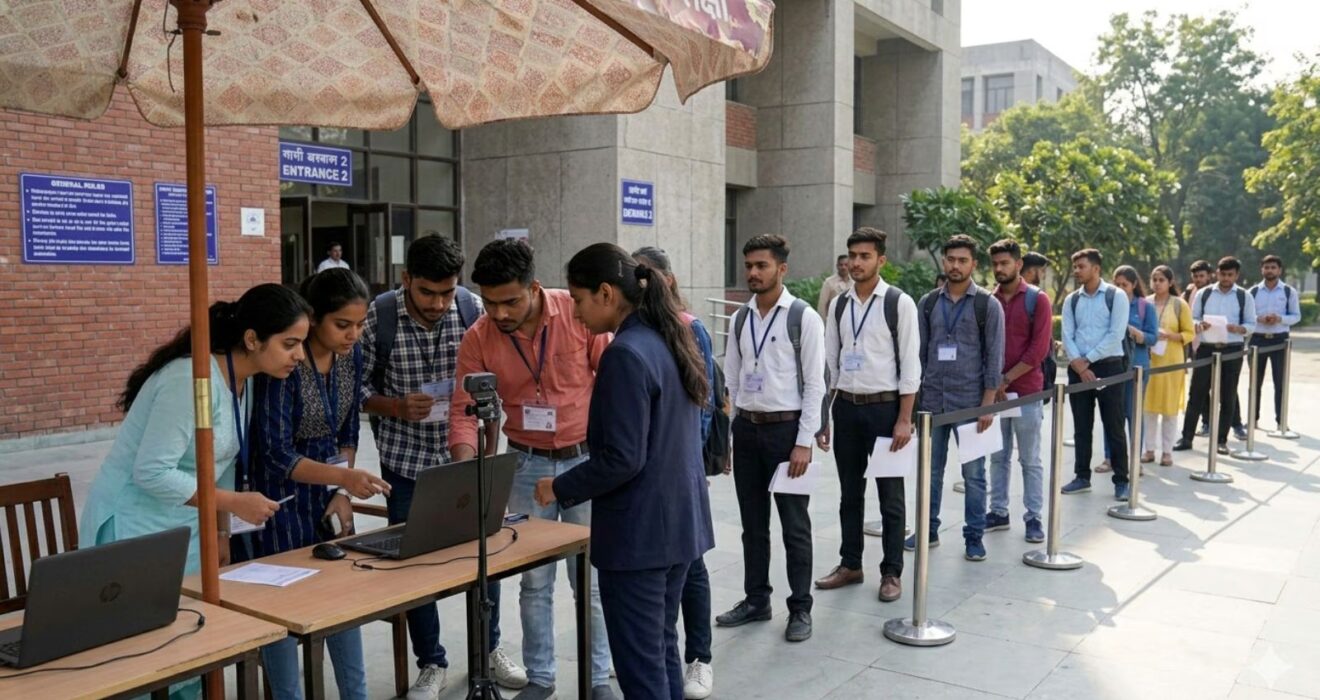
The Union Public Service Commission (UPSC) on Thursday said its newly introduced face-authentication system was successfully used during the Civil Services (Preliminary) Examination 2026, verifying candidates in real time across 2,072 examination venues nationwide. The technology was deployed to prevent impersonation and ensure that the candidate appearing for the examination matched the photograph submitted during the application process.
READ | UPSC Prelims 2026 cut-offs may drop to a record low: Here’s why
In a statement, the Commission said every candidate was required to undergo face authentication before being allowed entry into the examination hall. The verification was carried out by invigilators using an Android-based mobile application developed by UPSC with technical support from the National e-Governance Division (NeGD) under the Ministry of Electronics and Information Technology.
UPSC said the authentication process took around six to eight seconds per candidate, helping avoid delays and long queues at examination centres. During the peak entry period, the application processed nearly 12,000 authentications every minute.
More than 7,000 invigilators used the system simultaneously across the country. The Commission said the technology was deployed for nearly 5.5 lakh candidates appearing at over 2,000 examination venues.
The system enabled live, real-time authentication at examination centres and was designed to eliminate the possibility of impersonation and other forms of malpractice. According to UPSC, the application compared the candidate’s live image with the photograph uploaded at the time of registration and confirmed the match before entry was granted.
To implement the process, UPSC developed a detailed standard operating procedure (SOP) that was shared with states, districts and examination venues. Multiple rounds of training were conducted for invigilators before the examination.
Story continues below this ad
A key feature of the rollout was that it did not require any specialised hardware. The application worked on standard Android smartphones, allowing invigilators to use their own devices rather than dedicated equipment.
Speaking on the initiative, UPSC Chairman Dr Ajay Kumar said the objective was to ensure impersonation-free examinations. He said that while the technology was developed in-house with support from NeGD, the larger challenge was deploying it at scale, training the invigilation workforce and implementing it nationwide within a short timeframe.
UPSC said the successful implementation of real-time face authentication marks a significant step towards strengthening examination integrity and improving transparency in one of the country’s largest recruitment examinations.